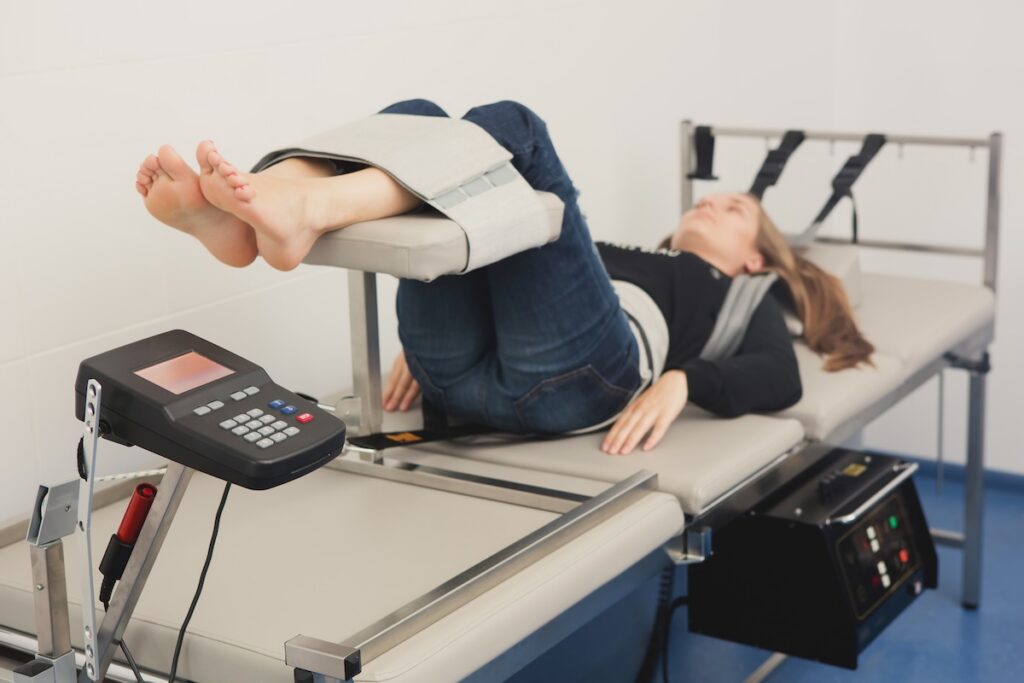

If you’re dealing with lower back pain, you’re certainly not alone. Many individuals experience this discomfort, which can significantly impact their daily activities. Fortunately, there are natural and effective strategies to find relief, and chiropractic care stands out as one of the best options available.
Chiropractic care focuses on spinal health and alignment, which is crucial for overall well-being. By correcting misalignments in your spine, chiropractors can help reduce pain and improve your mobility without the need for medications or invasive procedures. Simple adjustments can lead to significant improvements in your condition, allowing you to regain comfort and freedom of movement.
In addition to regular chiropractic adjustments, there are several steps you can take to support your recovery and promote a healthier lifestyle. Here are a few tips:
- Maintain Good Posture: Pay attention to how you sit, stand, and move throughout the day. Keeping your spine aligned can help prevent further strain.
- Stay Active: Gentle exercises and stretches can strengthen your back muscles and enhance flexibility. Activities like walking, swimming, or yoga can be beneficial.
- Use Proper Lifting Techniques: When lifting heavy objects, bend your knees and keep your back straight. This will help you avoid unnecessary strain on your lower back.
- Create a Supportive Environment: Ensure that your workspace is ergonomically designed. A chair that supports your lower back and a desk at the right height can make a big difference.
- Listen to Your Body: If an activity causes pain, stop and reassess. Pushing through discomfort can lead to further injury.
By embracing these practices and prioritizing chiropractic care, you can pave the way for a healthier, pain-free life. Remember, your journey to recovery starts with taking proactive steps toward your spinal health. Together, we can help you achieve optimal wellness and reclaim your mobility.
Key Takeaways
- Regular chiropractic adjustments are a key element in achieving optimal spinal alignment, which helps to reduce nerve pressure and effectively alleviate lower back pain. This natural approach allows your body to heal itself without the need for medications or surgeries.
- Engaging in gentle exercises and stretches is essential for strengthening your back muscles and improving flexibility. Simple movements can go a long way in promoting spinal health and enhancing your overall well-being.
- Maintaining proper posture throughout your daily activities is crucial. By being mindful of how you sit, stand, and move, you can significantly reduce strain on your lower back and prevent pain from becoming a recurring issue.
- If you’re experiencing severe pain, symptoms that radiate, or if your discomfort interferes with daily life, it’s important to seek professional help. As a chiropractor, I can provide personalized care to address these concerns and help you find relief.
- Incorporating physical therapy techniques alongside chiropractic care can greatly enhance your recovery process. Together, we can create a comprehensive plan that supports your long-term wellness and keeps you feeling your best.
Remember, taking care of your spine is essential for your overall health. By choosing chiropractic care, you are opting for a natural, effective way to achieve pain relief and maintain a healthier lifestyle.
Understanding the Causes of Lower Back Pain
Lower back pain can arise from various causes, and understanding these can guide you toward effective relief through chiropractic care. One common issue is muscle strain, often resulting from heavy lifting or sudden awkward movements. When these strains occur, chiropractic adjustments can help realign the spine and relieve tension in your muscles.
Another source of discomfort may be herniated discs, where the cushioning between your vertebrae bulges and presses on nearby nerves. Chiropractic care can address this by improving spinal alignment and reducing pressure on those nerves. Additionally, lifestyle factors like a lack of exercise or being overweight can contribute to chronic pain. Engaging in regular physical activity, along with proper spinal care, can support a healthier back.
Conditions such as arthritis or sciatica can also lead to ongoing lower back problems. Chiropractic treatment focuses on enhancing mobility and reducing pain through targeted adjustments. Moreover, stress and emotional factors can create muscle tension that exacerbates your discomfort. Techniques such as gentle chiropractic adjustments and relaxation exercises can help alleviate some of this tension.
If you find yourself sitting for long periods or performing repetitive motions, these habits can take a toll on your lower back as well. Incorporating simple stretches and maintaining good posture can make a significant difference. By identifying the specific cause of your pain and utilizing chiropractic care, you can tailor your approach to achieve effective relief. Embracing a holistic approach to health and wellness through chiropractic care can help you feel your best and support your journey toward optimal health.
Importance of Posture Correction
Good posture is crucial for preventing and alleviating lower back pain, and as a chiropractor, I want to emphasize just how vital it’s to maintain an aligned spine for your overall health.
When we improve our posture, we not only relieve strain on our spine but also enhance our overall well-being.
Here are some key benefits of good posture and practical techniques to help you stand tall and feel your best.
Benefits of Good Posture:
- Pain Relief: Proper alignment can significantly reduce tension in your back, neck, and shoulders, leading to less discomfort.
- Enhanced Breathing: Good posture allows your lungs to expand fully, improving your oxygen intake and energy levels.
- Improved Mood: Standing tall can boost your confidence and even improve your mood by releasing feel-good hormones.
- Better Digestion: Maintaining an upright position can help your organs function more efficiently, aiding digestion.
Chiropractic Techniques for Posture Correction:
- Spinal Adjustments: Regular chiropractic adjustments can help realign your spine, reducing pain and improving your posture.
- Strengthening Exercises: Incorporate core-strengthening exercises into your routine, such as planks or bridges, which support your spine and promote good posture.
- Stretching: Gentle stretches for your back, shoulders, and neck can help alleviate tightness and encourage better alignment.
Simple Tips for Everyday Posture:
- Be Mindful: Pay attention to your posture throughout the day, especially when sitting or standing for long periods.
- Ergonomic Setup: If you work at a desk, make sure your chair, desk, and computer are set up to promote good posture. Your feet should be flat on the ground, and your screen should be at eye level.
- Take Breaks: Stand up, stretch, and move around every hour to prevent stiffness and encourage better posture.
By focusing on these techniques and incorporating chiropractic care into your wellness routine, you can achieve optimal health and enjoy a pain-free life.
Benefits of Good Posture
When you maintain proper posture, you not only enhance your appearance but also significantly improve your overall health.
As a chiropractor, I can tell you that good posture is crucial for reducing strain on your muscles and joints, which helps prevent pain, particularly in the lower back. Moreover, it supports better breathing and digestion, enabling your body to function more efficiently.
Here are some key benefits of good posture and how chiropractic care can help you achieve it:
- Reduces Pain: Proper posture alleviates pressure on your spine and muscles, minimizing discomfort. Regular chiropractic adjustments can help align your spine, making it easier to maintain good posture and reduce pain over time.
- Boosts Confidence: Standing tall not only improves your self-esteem but also influences how others perceive you. When you feel better physically, it shows! Chiropractic care can enhance your posture, helping you stand taller and feel more confident.
- Enhances Focus: Good alignment keeps your energy levels up, which can increase your productivity throughout the day. Chiropractic adjustments can help keep your body in balance, allowing you to focus better on your tasks.
Tips for Maintaining Good Posture:
- Mind Your Sitting Position: Make sure your feet are flat on the ground, and your back is straight against the chair. Consider using a lumbar support pillow to help maintain the natural curve of your spine.
- Use Ergonomic Furniture: Invest in an ergonomic chair or desk setup that encourages good posture, especially if you work long hours at a computer.
- Stay Active: Regular exercise strengthens your muscles and improves flexibility, making it easier to maintain good posture. Simple activities like walking or stretching throughout the day can make a big difference.
- Take Breaks: If you sit for long periods, take breaks to stand, stretch, and move around. This helps relieve tension and resets your posture.
- Visit Your Chiropractor: Regular check-ups can help ensure your spine is aligned properly, making it easier to maintain good posture and relieve any pain you may be experiencing.
By focusing on your posture and utilizing chiropractic care, you can pave the way for a healthier, pain-free life.
Techniques for Posture Improvement
Maintaining proper posture is just the starting point; integrating specific techniques for posture improvement can significantly enhance your overall health and well-being. As a chiropractor, I want to emphasize the importance of being mindful of your alignment throughout the day. Regularly check in with your body to ensure your shoulders are back and your spine is straight—this simple awareness can make a world of difference.
One effective way to support better posture is through strengthening exercises. Incorporating activities like planks and bridges can help build a strong core, which is essential for maintaining proper alignment. Additionally, don’t forget to stretch!
Focusing on your chest and hip flexors can alleviate tightness and promote greater flexibility, making it easier to maintain good posture.
Consider the benefits of using ergonomic furniture, such as chairs that provide lumbar support. Creating a supportive workspace can significantly impact your posture and comfort levels throughout the day.
To further enhance your body awareness and relaxation, practices such as mindfulness or yoga can be incredibly beneficial. These techniques not only help you become more in tune with your body but also reduce stress, which can contribute to tension and poor posture.
Stretching and Strengthening Exercises
Incorporating stretching and strengthening exercises into your routine can significantly alleviate lower back pain and enhance your overall mobility. These exercises not only improve flexibility and strengthen your core muscles but also support proper posture, which is crucial for maintaining a healthy back. As a chiropractor, I believe that these natural approaches can set the foundation for optimal health without relying on medications or surgeries.
Here are a few effective exercises you can try to support your spinal health:
- Cat-Cow Stretch: This gentle yoga pose helps warm up your spine and relieve tension. It’s a fantastic way to start your day or unwind after sitting for long periods.
- Bird-Dog: This exercise is excellent for strengthening your core while improving your balance. A strong core provides crucial support for your lower back, helping to stabilize it and reduce pain.
- Pelvic Tilts: This simple move engages your abdominal muscles, offering support to your lower back. Incorporating pelvic tilts into your routine can help you develop a stronger foundation for your spine.
Aim to perform these exercises regularly—ideally a few times each week. It’s important to listen to your body; if something doesn’t feel right, make adjustments or consult with your chiropractor for guidance.
In addition to these exercises, consider other tips for a healthier lifestyle: maintain good posture while sitting and standing, stay hydrated, and practice mindful movement throughout your day.
Heat and Cold Therapy
As a local chiropractor, I want to share how heat and cold therapy can be powerful allies in alleviating lower back pain.
When your back feels tense or painful, applying heat can help relax those tight muscles and boost blood circulation, promoting healing.
On the other hand, cold therapy is excellent for reducing inflammation and numbing sharp pain, giving you some much-needed relief.
Here’s how you can effectively use these therapies at home:
- Heat Therapy: Consider using a heating pad or a warm towel. Apply it to your lower back for 15-20 minutes. This gentle warmth can ease muscle tension and improve mobility. Remember to listen to your body—if it feels too hot, take a break!
- Cold Therapy: Ice packs or a bag of frozen vegetables wrapped in a cloth can serve as effective cold therapy. Apply it to the affected area for 15-20 minutes to help reduce swelling and dull the pain. Just make sure not to place ice directly on your skin to avoid frostbite.
While heat and cold therapy can be helpful, it’s important to remember that chiropractic care is the best choice for addressing the root cause of your discomfort.
A chiropractor can assess your spine and overall body mechanics, providing tailored adjustments that promote optimal health and wellness.
Incorporating these therapies into your routine, alongside regular chiropractic adjustments, can greatly enhance your journey towards a pain-free life.
Benefits of Heat Therapy
Heat therapy can be a wonderful addition to your wellness routine, especially when it comes to easing lower back pain. As a chiropractor, I often recommend combining heat therapy with chiropractic care for optimal results. When you apply heat to the affected area, it increases blood flow, promotes healing, and helps reduce stiffness in your back.
This natural method can relax tight muscles, alleviating pain and enhancing your overall mobility.
Here are some key benefits of heat therapy that you might find helpful:
- Enhanced relaxation: The warmth from heat therapy soothes your muscles, making you feel more comfortable and at ease. This relaxation can be a great complement to the adjustments you receive in chiropractic care.
- Pain relief: Heat therapy can effectively reduce discomfort by targeting the pain receptors in your body. It’s a natural way to help your body manage pain without the need for medications or invasive procedures.
- Improved flexibility: Applying heat increases the elasticity of your tissues, which allows for better movement and less strain on your back. This can be particularly beneficial after a chiropractic adjustment, as it helps maintain the improvements made during your visit.
Incorporating heat therapy into your regular routine, alongside your chiropractic care, can significantly enhance your efforts in relieving lower back pain.
Here are a few tips to get started:
- Use a heating pad or warm compress: Apply it to your lower back for 15-20 minutes at a time. Just make sure it’s warm, not hot, to avoid burns.
- Take warm baths: Soaking in a warm bath can also provide soothing relief and help relax tense muscles.
- Stay consistent: Make heat therapy a regular part of your self-care routine, especially after your chiropractic adjustments, to maximize the benefits.
Advantages of Cold Therapy
While heat therapy can be soothing for lower back pain, don’t overlook the powerful benefits of cold therapy. Cold therapy is an excellent option, especially for reducing inflammation and numbing sharp pain. When you apply cold packs, it helps manage acute pain and soreness by constricting blood vessels and slowing down nerve signals in the affected area. This technique is particularly beneficial right after an injury or during a flare-up.
Here’s a simple breakdown of cold therapy benefits:
| Benefits | When to Use | Duration |
|---|---|---|
| Reduces swelling | After an injury | 15-20 minutes |
| Numbs sharp pain | During flare-ups | 15-20 minutes |
| Slows inflammation | Acute pain | 15-20 minutes |
| Eases muscle spasms | Post-exercise | 15-20 minutes |
Incorporating cold therapy into your wellness routine can complement the benefits of chiropractic care. Remember, chiropractic adjustments can help address the underlying issues causing your pain, while cold therapy can provide immediate relief.
If you’re dealing with discomfort, consider combining these approaches for optimal health and well-being. Always listen to your body, and if you’re unsure, consulting with your chiropractor can help tailor a plan that works best for you. Together, we can pave the way to a healthier, pain-free life!
Physical Therapy Techniques
Experiencing lower back pain can be a challenge, but there are effective ways to support your recovery, and chiropractic care is one of the best options available. By working with a skilled chiropractor, you can learn natural techniques that are tailored to your individual needs, helping you regain strength, flexibility, and overall wellness.
Here are some valuable approaches you might explore:
- Gentle Stretching: Simple stretching exercises can help improve your flexibility and ease tightness in your back muscles. Incorporating stretches into your daily routine can make a significant difference in how you feel.
- Core Strengthening: Building strength in your core and back muscles is vital for providing support to your spine. Your chiropractor can guide you on safe exercises that strengthen these areas, helping to alleviate pain and prevent future issues.
- Chiropractic Adjustments: This hands-on technique involves realigning your spine to restore proper function and reduce discomfort. Regular adjustments can enhance mobility and promote natural healing in your body.
Incorporating these chiropractic techniques into your daily life can lead to substantial improvements in your overall well-being. Consistency is essential, so make sure to follow your chiropractor’s recommendations and commit to your care plan. With time, you’ll likely experience less pain and enjoy a greater ability to partake in everyday activities with ease.
Over-the-Counter Pain Relief Medications
When dealing with lower back pain, many people often reach for over-the-counter pain relief medications as a quick solution. While these medications can provide temporary relief, they don’t address the root cause of your discomfort. As a chiropractor, I believe in the power of natural healing and the benefits of chiropractic care to truly help you achieve optimal health.
Chiropractic care focuses on restoring alignment to your spine and improving your overall function, which can lead to long-term relief from pain. Instead of masking your symptoms with medication, consider the following holistic approaches to manage lower back pain effectively:
- Regular Chiropractic Adjustments: These can help realign your spine, reduce tension, and improve mobility. A well-aligned spine is essential for overall health and can prevent future pain.
- Exercise and Stretching: Incorporating gentle exercises and stretches into your daily routine can strengthen your back muscles and improve flexibility. Activities like yoga or pilates can be particularly beneficial.
- Posture Awareness: Maintaining good posture during daily activities can significantly reduce strain on your back. Be mindful of your posture whether you’re sitting, standing, or lifting objects.
- Heat and Cold Therapy: Applying heat can relax tight muscles, while cold therapy can reduce inflammation. Alternating between the two can be especially effective for managing pain.
- Ergonomic Adjustments: If you spend a lot of time at a desk, ensure your workspace is set up to support your back. An ergonomic chair and desk height can make a significant difference.
- Nutrition and Hydration: A balanced diet and staying hydrated can support your overall health, including your spine. Foods rich in omega-3 fatty acids and antioxidants can help reduce inflammation.
Remember, while OTC medications may offer temporary relief, the best way to achieve lasting wellness is through chiropractic care. If your lower back pain persists, I encourage you to schedule an appointment with a chiropractor to explore a comprehensive treatment plan tailored to your needs.
Your journey to a healthier, pain-free life starts with understanding and caring for your spine!
Alternative Therapies: Acupuncture and Massage
If you’re experiencing lower back pain, consider exploring chiropractic care as a top choice for relief and wellness. Chiropractic adjustments can help realign your spine, which may relieve pressure on your nerves and improve your overall function.
While alternative therapies like acupuncture and massage can provide some benefits, chiropractic care directly addresses the root causes of your discomfort by promoting spinal health. By restoring proper alignment, chiropractic adjustments can stimulate your body’s natural healing processes and enhance your overall well-being.
In addition to chiropractic care, here are some general tips to support your back health:
- Maintain Good Posture: Be mindful of your posture, whether sitting at a desk or lifting heavy objects. Proper alignment can help prevent strain on your back.
- Stay Active: Regular exercise strengthens your back muscles and improves flexibility. Activities like walking, swimming, or yoga are great for overall spinal health.
- Stretch Regularly: Incorporate gentle stretches into your daily routine to relieve tension and improve mobility in your back.
- Use Proper Lifting Techniques: Bend at your knees and keep your back straight when lifting heavy items to avoid injury.
- Listen to Your Body: Pay attention to any signs of discomfort and seek chiropractic care when needed to address issues before they worsen.
Benefits of Acupuncture
As a local chiropractor, I want to share some valuable insights on managing lower back pain and enhancing your overall well-being. While acupuncture is a popular option for many, I firmly believe that chiropractic care is the most effective way to achieve pain relief and promote natural healing.
Chiropractic care focuses on aligning the spine and ensuring that your nervous system functions optimally. When your spine is properly aligned, your body can heal itself more effectively, leading to reduced pain and improved health.
Here are some benefits of chiropractic care for lower back pain:
- Pain Relief: Chiropractic adjustments can help alleviate pain by addressing the root cause of your discomfort rather than just masking the symptoms. By realigning your spine, we can stimulate your body’s natural healing response and reduce inflammation.
- Increased Mobility: Regular chiropractic care can enhance your flexibility and range of motion, making everyday activities easier and more enjoyable. With improved spinal alignment, you’ll find it easier to move without pain.
- Stress Reduction: Chiropractic adjustments can also help reduce stress and promote relaxation. A well-aligned spine can lead to a more balanced nervous system, which can help you cope better with stressors in your life.
In addition to chiropractic care, here are some general tips for managing lower back pain:
- Stay Active: Engage in regular physical activity, such as walking, swimming, or yoga, to strengthen your back muscles and improve flexibility.
- Maintain Good Posture: Be mindful of your posture when sitting, standing, or lifting to prevent unnecessary strain on your lower back.
- Use Proper Body Mechanics: When lifting objects, bend your knees and keep your back straight to avoid injury.
If you’re struggling with lower back pain, consider chiropractic care as a holistic approach to achieving optimal health and wellness. Together, we can work towards a pain-free and healthier you!
Efficacy of Massage Therapy
Massage therapy is a popular approach for those dealing with lower back pain, and it does have its benefits. It can help ease muscle tension, improve blood flow, and promote relaxation. However, while massage therapy may provide temporary relief, it’s essential to consider the long-term benefits of chiropractic care for addressing the root causes of pain and maintaining overall spinal health.
Chiropractic care focuses on realigning the spine and ensuring the nervous system functions properly, which is crucial for overall health and wellness. Regular chiropractic adjustments can help alleviate pain, enhance mobility, and promote a healthier lifestyle.
Here’s a brief comparison of how chiropractic care can benefit lower back pain:
| Benefit | How It Helps | Duration of Relief |
|---|---|---|
| Spinal Alignment | Restores proper function | Long-lasting |
| Improved Mobility | Increases flexibility and movement | Extended relief |
| Enhanced Overall Wellness | Supports body’s natural healing | Ongoing benefit |
Incorporating chiropractic care into your routine can be a game-changer for your lower back pain management. Here are some general tips to enhance your spinal health:
- Maintain Good Posture: Sit and stand up straight to reduce strain on your back.
- Stay Active: Engage in regular physical activity to strengthen your back and core muscles.
- Stretch Regularly: Gentle stretching can help keep your muscles flexible and reduce tension.
- Apply Heat or Cold: Use heat packs or cold compresses to alleviate discomfort.
- Stay Hydrated: Drinking water supports overall health and helps maintain spinal disc hydration.
Combining Treatments for Relief
Exploring a combination of treatments can significantly enhance your relief from lower back pain, and as a chiropractor, I believe that chiropractic care should be at the forefront of your recovery journey.
While therapies like acupuncture and massage can provide some relief, chiropractic care offers a comprehensive approach that addresses the root cause of your pain.
Chiropractic adjustments focus on aligning the spine, which is essential for proper nerve function and overall health. By correcting misalignments, we can relieve pressure on nerves, reduce inflammation, and promote healing throughout your body.
This foundational aspect of chiropractic care not only alleviates pain but also supports your body’s natural ability to heal itself.
Here are some benefits of prioritizing chiropractic care for lower back pain relief:
- Holistic Approach: Chiropractic care addresses not just the symptoms but the underlying issues causing your pain, leading to more effective and long-lasting relief.
- Enhanced Mobility: Regular chiropractic adjustments improve your range of motion, making daily activities more manageable and enjoyable.
- Natural Healing: Chiropractic care encourages your body to heal naturally without the need for medications or invasive procedures.
Incorporating some simple lifestyle tips can further support your recovery:
- Practice Good Posture: Be mindful of your posture when sitting, standing, or lifting. Proper alignment can prevent unnecessary strain on your back.
- Stay Active: Engage in low-impact exercises like walking, swimming, or yoga to strengthen your back and improve flexibility.
- Use Heat and Cold Therapy: Applying heat can relax tight muscles, while cold packs can reduce inflammation. Alternate between the two for effective relief.
- Stay Hydrated: Drinking plenty of water helps maintain the health of your spinal discs and overall body function.
By choosing chiropractic care as your primary method for managing lower back pain, you’re taking a proactive step toward achieving optimal health and wellness.
Let’s work together to find the best path to a pain-free life!
Ergonomic Adjustments in Daily Life
Incorporating ergonomic adjustments into your daily life is a simple yet effective way to reduce lower back pain and enhance overall comfort. As a chiropractor, I want to share some valuable tips to help you create a healthier environment that promotes optimal spinal health.
Start by assessing your workspace. Ensure your chair offers good lumbar support, which is vital for maintaining the natural curve of your spine. Your computer screen should be at eye level to minimize strain on your neck and back. While sitting, remember to keep your feet flat on the floor and position your knees slightly lower than your hips for a more balanced posture.
When lifting objects, always bend your knees and keep the load close to your body. This technique helps protect your back from unnecessary strain. If you spend long hours driving, adjust your seat to support your lower back and help maintain a comfortable posture during your journey.
Consider incorporating a standing desk or taking regular breaks to stretch and move around. This can alleviate stiffness and keep your back engaged throughout the day. Simple stretches like reaching for the sky or gently twisting your torso can make a significant difference in how you feel.
When to Seek Professional Help
Even with ergonomic adjustments, some individuals may still experience persistent or worsening lower back pain. If you find yourself in this situation, it’s vital to listen to your body and understand when it’s time to seek professional help. Ignoring the pain can lead to further complications, so taking action is essential.
Here are some signs that indicate you should consult a healthcare professional, particularly a chiropractor:
- Severe pain that doesn’t improve with rest or simple home remedies. This could signal a deeper issue that needs attention.
- Radiating pain down your legs, especially if you feel numbness or tingling. This could be a sign of nerve involvement that chiropractic care can effectively address.
- Difficulty standing or walking, or if your pain is interfering with daily activities. These limitations can significantly affect your quality of life and may respond well to chiropractic adjustments.
Don’t hesitate to reach out for assistance. A chiropractor can provide a thorough assessment of your spine and overall health, helping to identify the root cause of your pain.
They’ll develop a personalized treatment plan that may include spinal adjustments, stretches, and exercises designed to restore proper function and alleviate discomfort.
In the meantime, here are some general tips to help manage your lower back pain:
- Maintain good posture: Whether sitting or standing, keep your spine aligned to reduce undue pressure on your back.
- Stay active: Gentle stretching and low-impact exercises can help strengthen your back and improve flexibility.
- Use heat or cold therapy: Applying a heating pad or ice pack can provide temporary relief to inflamed areas.
- Focus on your core: Strengthening your abdominal muscles can provide better support for your spine.
Taking action now by consulting a chiropractor can help you regain control over your lower back pain and enhance your overall quality of life.
Embrace the path to natural healing and wellness through chiropractic care!
Exploring Advanced Treatment Options
As you explore options for managing lower back pain, consider the benefits of chiropractic care as a natural and effective solution. Unlike traditional methods that may involve medications or surgeries, chiropractic focuses on addressing the root cause of your discomfort through holistic care. Techniques such as spinal adjustments, therapeutic exercises, and lifestyle advice can promote healing and restore your body’s natural function.
| Treatment | Benefits |
|---|---|
| Chiropractic Adjustments | Aligns the spine, relieving pressure on nerves and reducing pain |
| Therapeutic Exercises | Strengthens core muscles, improves flexibility, and enhances posture |
| Lifestyle Guidance | Offers tips for better ergonomics and healthy habits to prevent pain |
By exploring chiropractic care, you can regain mobility, enhance your quality of life, and support your body’s innate ability to heal. Always consult with a qualified chiropractor who can tailor a plan specific to your needs.
A few simple tips to keep in mind for lower back health include:
- Maintain good posture while sitting and standing.
- Incorporate regular physical activity into your routine.
- Use proper lifting techniques to avoid strain.
- Stay hydrated and eat a balanced diet to support overall wellness.
With the right approach to care, you can find effective relief and get back to enjoying the activities you love, all while embracing a healthier lifestyle.