Understanding Carpal Tunnel Syndrome: Causes, Symptoms, and Risk Factors
If you've ever experienced numbness, tingling, or weakness in your hand that seems to get worse at night, you're not alone. Carpal tunnel syndrome affects millions of people each year, and here in Grand Rapids, we see patients from all walks of life dealing with this condition. Whether you're typing at a desk all day, working with your hands in manufacturing, or spending hours on a computer at home, carpal tunnel syndrome can significantly impact your daily activities. The good news is that understanding what's happening in your body is the first step toward finding relief. In this article, we'll explore what carpal tunnel syndrome really is, what causes it, the symptoms to watch for, and who's most at risk for developing this common condition.
What Is Carpal Tunnel Syndrome?
Carpal tunnel syndrome is a condition that occurs when the median nerve, which runs from your forearm through a narrow passageway in your wrist called the carpal tunnel, becomes compressed or squeezed. This compression leads to pain, numbness, tingling, and weakness in the hand and fingers.
Table of Contents
- The Anatomy of the Carpal Tunnel
- Common Causes of Carpal Tunnel Syndrome
- Signs and Symptoms to Watch For
- Risk Factors That Increase Your Chances
- How Chiropractic Care Fits Into Your Treatment Plan
- Practical Prevention and Self-Care Tips
- When to See a Chiropractor or Healthcare Provider
- Myths vs. Facts About Carpal Tunnel Syndrome
The Anatomy of the Carpal Tunnel
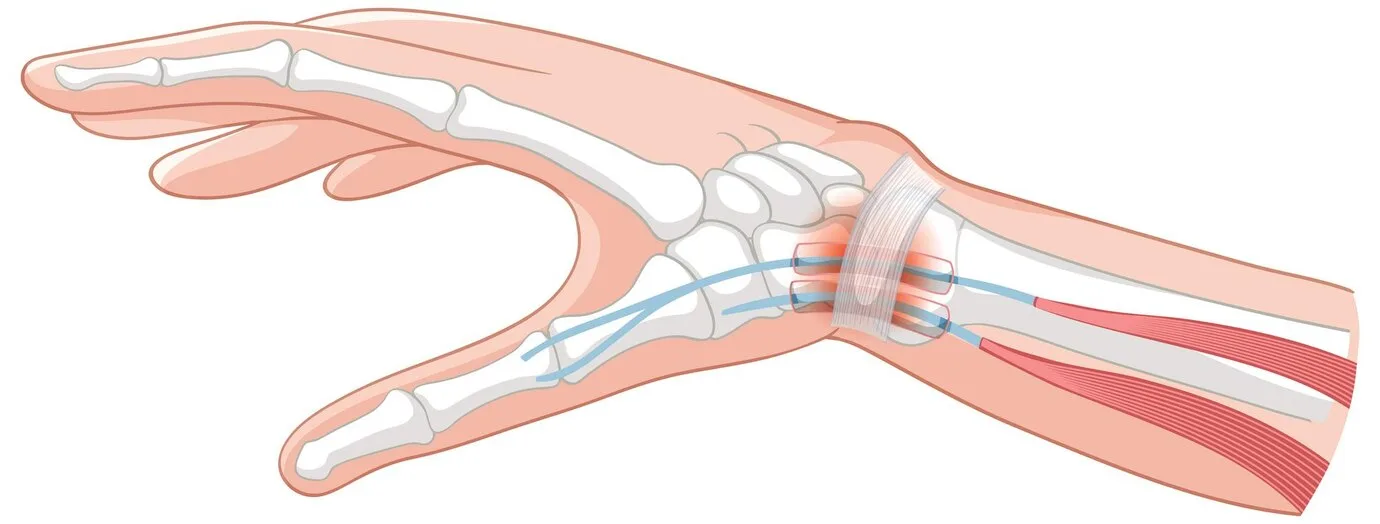
To truly understand carpal tunnel syndrome, it helps to know a bit about the structure of your wrist. The carpal tunnel is a narrow passageway on the palm side of your wrist, about an inch wide. This tunnel is formed by small wrist bones called carpals on the bottom and sides, and a thick band of connective tissue called the transverse carpal ligament across the top.
Running through this tight space are nine flexor tendons that help you bend your fingers, along with the median nerve. The median nerve is responsible for providing sensation to your thumb, index finger, middle finger, and half of your ring finger. It also controls some of the small muscles at the base of your thumb that allow you to grip and pinch objects.
When anything causes swelling or takes up extra space in this already crowded tunnel, the median nerve gets squeezed. Think of it like a garden hose with something pressing down on it. The water flow gets restricted, and that's similar to what happens with the nerve signals traveling through your median nerve. This compression disrupts the nerve's ability to function properly, leading to the characteristic symptoms of carpal tunnel syndrome.
The carpal tunnel's small size means there isn't much room for error. Even slight swelling or changes in the wrist can put pressure on the median nerve. This is why so many different factors can contribute to developing this condition.
Common Causes of Carpal Tunnel Syndrome
Carpal tunnel syndrome rarely has just one single cause. Instead, it typically develops from a combination of factors that increase pressure on the median nerve over time. Understanding these causes can help you identify what might be contributing to your symptoms.
Repetitive Hand Movements
One of the most well-known contributors to carpal tunnel syndrome is repetitive wrist and hand motions. When you perform the same movements over and over, especially those involving flexion or extension of the wrist, the tendons in the carpal tunnel can become irritated and swollen. Here in Grand Rapids, we see this frequently in office workers who type extensively, assembly line workers, and even musicians who practice for hours each day.
The repetition itself isn't always the problem. It's often the combination of repetition with poor wrist positioning that creates trouble. When your wrists are bent at awkward angles while performing repetitive tasks, the pressure inside the carpal tunnel increases significantly.
Anatomical Factors
Some people are simply born with a smaller carpal tunnel than others. If you have a naturally narrow tunnel, there's less space to accommodate any swelling or changes, making you more susceptible to nerve compression. Additionally, previous wrist injuries like fractures or sprains can alter the shape of the carpal tunnel or cause scar tissue that takes up space.
Health Conditions
Several underlying health conditions can increase your risk of developing carpal tunnel syndrome. Diabetes can damage nerves throughout your body, including the median nerve, making it more vulnerable to compression. Rheumatoid arthritis and other inflammatory conditions can cause swelling in the wrist that compresses the nerve. Thyroid disorders can also contribute to fluid retention and nerve dysfunction.
Hormonal Changes
Hormonal fluctuations, particularly those involving fluid retention, can cause swelling in the carpal tunnel. This is why pregnant women often experience carpal tunnel symptoms, especially in the third trimester. Menopause is another time when hormonal changes can trigger or worsen symptoms. The good news is that pregnancy-related carpal tunnel syndrome often resolves after delivery.
Workplace Ergonomics
Poor workstation setup contributes significantly to carpal tunnel syndrome. If your keyboard is too high, your mouse is positioned incorrectly, or your chair doesn't provide proper arm support, your wrists may be spending hours each day in compromised positions. The force required to grip tools or type on keyboards can also play a role, especially when combined with awkward positioning.
Signs and Symptoms to Watch For
Carpal tunnel syndrome symptoms typically develop gradually, and many people initially dismiss them as minor annoyances. However, recognizing the early warning signs can help you address the problem before it progresses to more severe nerve damage.
Numbness and Tingling
The hallmark symptoms of carpal tunnel syndrome are numbness and tingling in the thumb, index finger, middle finger, and the thumb side of the ring finger. This distribution follows the path of the median nerve. Interestingly, your pinky finger is usually not affected because it's supplied by a different nerve. These sensations often come and go at first, frequently appearing at night or upon waking in the morning. Many patients at Bear Chiropractic tell us they wake up needing to shake their hands to "get the feeling back."
Nighttime Symptoms
One distinctive feature of carpal tunnel syndrome is that symptoms often worsen at night. This happens because many people sleep with their wrists bent, which increases pressure in the carpal tunnel. You might wake up multiple times during the night with burning, tingling, or numbness in your hands. Some people find themselves hanging their hand over the side of the bed or shaking it to relieve the discomfort.
Weakness and Dropping Objects
As the condition progresses, you may notice weakness in your hand, particularly when trying to grip objects. The median nerve controls some of the muscles at the base of your thumb, so when it's compressed, these muscles can become weak. You might find yourself dropping things unexpectedly, struggling to hold a coffee cup, or having difficulty with tasks that require pinching, like buttoning a shirt or picking up small objects.
Pain and Discomfort
While numbness and tingling are the most common symptoms, many people also experience pain. This can range from a mild ache in the wrist to sharp, shooting pains that travel up the forearm toward the elbow or even the shoulder. Some patients describe a burning sensation in their fingers or palm. The pain may worsen with activities that involve gripping or flexing the wrist.
Progressive Symptoms
If left unaddressed, carpal tunnel syndrome symptoms can become constant rather than intermittent. The numbness may no longer go away, and you might notice muscle wasting at the base of your thumb, creating a flattened appearance. At this advanced stage, permanent nerve damage becomes a concern, which is why early intervention is so important.
Risk Factors That Increase Your Chances
While anyone can develop carpal tunnel syndrome, certain factors significantly increase your likelihood of experiencing this condition. Understanding your personal risk factors can help you take preventive measures and recognize symptoms early.
Gender
Women are three times more likely than men to develop carpal tunnel syndrome. This increased risk is partly due to women typically having smaller carpal tunnels, leaving less room for the median nerve. Hormonal factors also play a role, particularly during pregnancy and menopause when fluid retention is more common.
Age
Carpal tunnel syndrome can occur at any age, but it's most commonly diagnosed in people between 40 and 60 years old. As we age, the tissues in our bodies naturally change, and the structures in the carpal tunnel may be more prone to inflammation or degeneration. Here at our Grand Rapids practice, we see patients across all age ranges, but middle-aged adults definitely make up a significant portion of carpal tunnel cases.
Occupation
Your job can significantly influence your risk. Occupations that involve prolonged repetitive hand and wrist movements, forceful gripping, vibration exposure, or awkward wrist positions all increase your chances. This includes assembly line workers, construction workers, musicians, cashiers, hairstylists, and those who spend hours typing at computers. Manufacturing remains a significant industry in the Grand Rapids area, and we frequently see workers from various factories dealing with work-related wrist issues.
Medical Conditions
Several health conditions increase your susceptibility to carpal tunnel syndrome. Diabetes is a major risk factor because high blood sugar levels can damage nerves throughout the body. Rheumatoid arthritis causes inflammation that can affect the tendons in the carpal tunnel. Thyroid problems, particularly hypothyroidism, are associated with increased risk. Kidney disease can lead to fluid retention and swelling. Obesity is also a risk factor, as excess body weight may contribute to increased pressure in the carpal tunnel.
Previous Injuries
If you've previously fractured or dislocated your wrist, the altered anatomy can make you more prone to carpal tunnel syndrome later. Even old injuries that seemed to heal completely can leave subtle changes in the wrist structure that reduce the space available for the median nerve.
Family History
Research suggests there may be a hereditary component to carpal tunnel syndrome. If you have family members who have dealt with this condition, you may have inherited anatomical characteristics like a smaller carpal tunnel that increase your risk.
Lifestyle Factors
Smoking can impair blood flow to nerves, potentially making them more vulnerable to compression injuries. Poor nutrition may also play a role, as certain vitamin deficiencies can affect nerve health. Additionally, high salt intake can contribute to fluid retention, which may increase pressure in the carpal tunnel.
How Chiropractic Care Fits Into Your Treatment Plan
Many people don't realize that chiropractic care can play a valuable role in managing carpal tunnel syndrome. At Bear Chiropractic, we take a comprehensive approach that addresses not just your wrist, but the entire chain of structures that may be contributing to your symptoms.
Chiropractic care for carpal tunnel syndrome focuses on reducing nerve compression and improving function through non-invasive, drug-free methods. We recognize that the median nerve doesn't just exist in isolation at your wrist. It originates from nerve roots in your neck, travels through your shoulder and elbow, and finally reaches your hand. Problems anywhere along this pathway can contribute to symptoms that mimic or compound true carpal tunnel syndrome.
What Care Looks Like at Our Practice
When you visit Bear Chiropractic in Grand Rapids with concerns about carpal tunnel symptoms, we start with a thorough evaluation. This includes examining your neck, shoulder, elbow, and wrist to identify all potential areas of nerve interference. We assess your posture, joint mobility, muscle tension, and perform specific tests to determine where nerve compression is occurring.
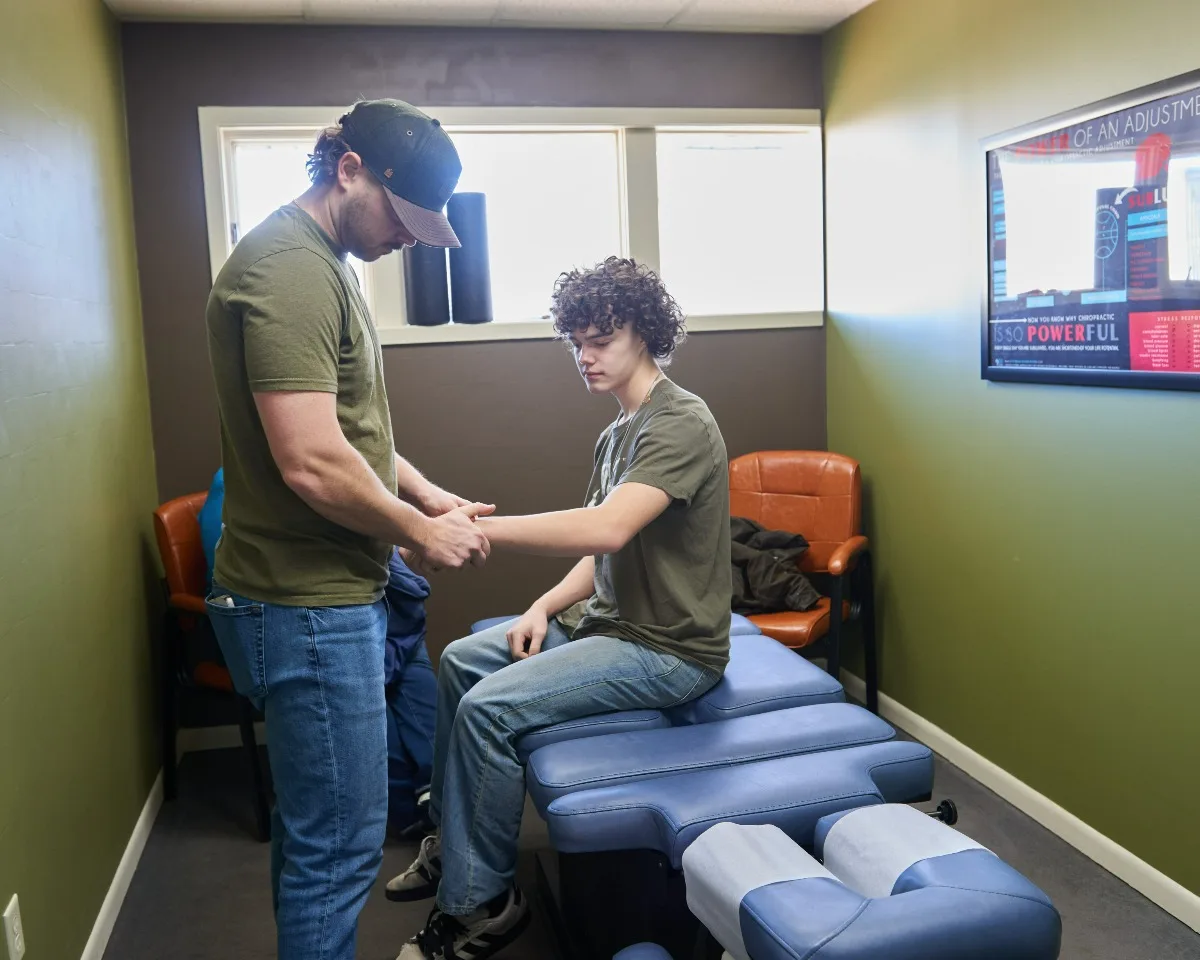
Treatment often involves gentle adjustments to the wrist, elbow, shoulder, and cervical spine to ensure proper alignment and reduce nerve interference. We may use soft tissue techniques to address tight muscles and fascial restrictions that could be contributing to symptoms. Many patients benefit from specific stretches and exercises designed to improve wrist mechanics and strengthen supporting muscles.
We also provide ergonomic guidance tailored to your specific work environment and daily activities. Evidence indicates that conservative approaches including manual therapy and activity modification can help many individuals with mild to moderate carpal tunnel symptoms. The key is addressing the problem early, before permanent nerve damage occurs.
Chiropractic care is not a replacement for necessary medical interventions in advanced cases, but it offers a conservative first-line approach that many patients find beneficial. We work collaboratively with other healthcare providers when needed to ensure you receive comprehensive care.

Practical Prevention and Self-Care Tips
Whether you're trying to prevent carpal tunnel syndrome or manage early symptoms, these practical strategies can make a significant difference in your daily life.
Optimize Your Workstation
Proper ergonomics are crucial for anyone who spends significant time at a desk. Your keyboard should be at elbow height, allowing your wrists to remain in a neutral position rather than bent up or down. Position your mouse close to your keyboard so you don't have to reach for it. Your monitor should be at eye level to prevent neck strain that can contribute to nerve issues. Consider using a split keyboard or ergonomic mouse designed to keep your wrists in a more natural position.
Take Regular Breaks
The human body isn't designed for hours of repetitive motion without rest. Set a timer to remind yourself to take brief breaks every 30 to 60 minutes. During these breaks, stand up, shake out your hands, and perform gentle wrist stretches. Even 30 seconds of movement can help reduce the cumulative stress on your wrists.
Practice Proper Technique
When typing, use a light touch rather than pounding the keys. Keep your wrists straight or in a slightly extended position rather than flexed downward. If your job involves gripping tools, try to use the whole hand rather than just your fingers, and avoid gripping more forcefully than necessary. When possible, alternate between tasks that use different muscle groups.
Maintain Neutral Wrist Position
Throughout your day, pay attention to your wrist position during various activities. When sleeping, try to avoid curling your wrists under your pillow or chin. Some people find wearing a wrist brace at night helpful for keeping the wrist in a neutral position. During the day, notice if you're flexing or extending your wrists excessively during tasks and adjust accordingly.
Stay Warm
Cold temperatures can increase stiffness and discomfort in the hands and wrists. If you work in a cool environment or experience cold hands frequently, consider wearing fingerless gloves to keep your wrists warm while maintaining dexterity. This is particularly relevant during Michigan winters here in Grand Rapids.
Manage Underlying Health Conditions
If you have diabetes, thyroid problems, or rheumatoid arthritis, working with your healthcare provider to manage these conditions effectively can reduce your risk of developing carpal tunnel syndrome or lessen its severity.
Maintain a Healthy Weight
Research suggests that maintaining a healthy body weight may reduce your risk of developing carpal tunnel syndrome. Extra weight can contribute to inflammation and increased pressure throughout the body, including in the carpal tunnel.
Gentle Stretching
Incorporate gentle wrist and hand stretches into your daily routine. Simple exercises like wrist circles, prayer stretches, and tendon glides can help maintain flexibility and reduce tension. These should never be painful and should be performed gently and slowly.
When to See a Chiropractor or Healthcare Provider
Knowing when to seek professional care can make the difference between simple conservative treatment and more invasive interventions down the road. While occasional hand tingling after sleeping on your arm funny isn't cause for alarm, certain signs indicate you should schedule an evaluation.
Duration and Frequency
If you're experiencing numbness, tingling, or pain in your hand that persists for more than a week or two, it's time to get evaluated. Similarly, if symptoms that were once occasional become frequent or constant, professional assessment is warranted. The earlier you address carpal tunnel syndrome, the more treatment options are typically available.
Impact on Daily Activities
When symptoms start interfering with your ability to perform normal daily tasks, professional care becomes important. If you're dropping objects regularly, having trouble buttoning clothes, struggling to grip a steering wheel, or finding that household tasks have become difficult, these functional limitations indicate the condition needs attention.
Nighttime Disruption
Waking up multiple times per night with hand numbness or pain that requires shaking your hands for relief is a common early warning sign. This level of sleep disruption affects your overall health and quality of life, and it suggests the nerve compression is significant enough to warrant evaluation.
Progressive Weakness
Any noticeable weakness in your hand, particularly at the base of your thumb, should prompt immediate evaluation. Muscle wasting or a flattened appearance at the thumb base indicates more advanced nerve compression that requires prompt attention to prevent permanent damage.
Red Flags Requiring Medical Attention
While chiropractic care can be beneficial for many cases of carpal tunnel syndrome, certain symptoms require immediate medical evaluation. Seek urgent care if you experience sudden onset of severe symptoms, symptoms in both hands that come on rapidly, loss of hand function, symptoms accompanied by fever, or severe pain that isn't improving. Additionally, if you have symptoms in all five fingers (including the pinky), this may indicate a different condition that needs medical diagnosis.
At Bear Chiropractic, we're committed to ensuring you receive the right care at the right time. If we determine your condition requires medical co-management or specialist referral, we'll make appropriate recommendations. Conservative care works best when started early, so don't wait until symptoms become severe.
| Early Stage Symptoms | Progressive Stage Symptoms |
|---|---|
| Occasional nighttime numbness | Constant numbness even during the day |
| Tingling that comes and goes | Persistent tingling and burning |
| Mild discomfort with certain activities | Pain that interferes with daily tasks |
| Occasional clumsiness | Frequent dropping of objects |
| Symptoms relieved by shaking hands | Symptoms not relieved by position changes |
| Normal thumb strength | Visible muscle wasting at thumb base |
| Good response to activity modification | Limited improvement with conservative measures |
Myths vs. Facts About Carpal Tunnel Syndrome
There's a lot of misinformation floating around about carpal tunnel syndrome. Let's separate fact from fiction so you can make informed decisions about your health.
Myth: Only People Who Type All Day Get Carpal Tunnel Syndrome
Fact: While repetitive typing can contribute to carpal tunnel syndrome, it's far from the only cause. The condition affects people across all professions and activities. Hormonal changes, underlying health conditions, wrist anatomy, and previous injuries all play roles. We've seen carpal tunnel develop in stay-at-home parents, retirees, and people who rarely use computers.
Myth: Carpal Tunnel Syndrome Always Requires Surgery
Fact: Many people with mild to moderate carpal tunnel syndrome respond well to conservative treatments including chiropractic care, activity modification, ergonomic changes, and wrist bracing. Surgery is typically reserved for severe cases or those that don't improve with conservative approaches. Research indicates that conservative management can be effective for many individuals when started early.
Myth: If You Don't Have Pain, You Don't Have Carpal Tunnel Syndrome
Fact: Numbness and tingling are often the primary symptoms of carpal tunnel syndrome, and some people experience little to no pain. The absence of pain doesn't mean nerve compression isn't occurring. In fact, progressive numbness without pain can still lead to permanent nerve damage if left unaddressed.
Myth: Wrist Braces Worn During the Day Will Fix the Problem
Fact: Wrist braces can be helpful, particularly when worn at night to prevent flexion during sleep. However, wearing a brace during the day without addressing underlying causes like poor ergonomics or repetitive stress patterns won't resolve the condition. Braces are best used as part of a comprehensive approach that includes activity modification and proper treatment.
Myth: You Have to Live With the Symptoms
Fact: Carpal tunnel syndrome is a treatable condition, and you don't have to accept progressive worsening of symptoms. Whether through conservative care approaches or, when necessary, more advanced interventions, relief is possible. The key is addressing the problem rather than ignoring it and hoping it goes away on its own.
Final Thoughts From Bear Chiropractic
Living with numbness, tingling, and weakness in your hands doesn't have to be your new normal. Carpal tunnel syndrome is a complex condition with multiple contributing factors, but understanding what's happening in your body empowers you to take action. Whether you're experiencing early symptoms or have been dealing with this condition for a while, conservative approaches often provide meaningful relief when applied properly and consistently.
Here in Grand Rapids, we understand the impact that hand and wrist problems can have on your work, hobbies, and daily life. At Bear Chiropractic, we're committed to helping our community members find relief through safe, effective, non-invasive care. If you're experiencing symptoms that concern you, we encourage you to schedule an evaluation. Early intervention provides the best opportunity for conservative treatment to be successful.
Remember, your body has an remarkable ability to heal when given the right support and conditions. By addressing nerve interference, improving biomechanics, modifying aggravating activities, and supporting overall wellness, many people find they can manage or resolve their carpal tunnel symptoms without resorting to invasive procedures. You deserve to use your hands comfortably and confidently, and we're here to help you achieve that goal.
Frequently Asked Questions
Can carpal tunnel syndrome affect both hands at the same time?
Yes, carpal tunnel syndrome can affect both hands, and this is actually quite common. Many people develop symptoms in their dominant hand first, followed by the other hand. Bilateral symptoms may suggest underlying conditions like rheumatoid arthritis, diabetes, or thyroid problems that affect both sides of the body.
How long does it take for carpal tunnel syndrome to develop?
The development of carpal tunnel syndrome varies greatly among individuals. Some people notice symptoms developing over months, while others experience a gradual onset over years. Factors like the intensity of repetitive activities, underlying health conditions, and wrist anatomy all influence how quickly the condition develops.
Is there a way to test for carpal tunnel syndrome at home?
While home tests like Phalen's test (holding your wrists in full flexion for 60 seconds to see if symptoms appear) can suggest carpal tunnel syndrome, they're not definitive. A proper evaluation by a qualified healthcare provider, potentially including nerve conduction studies, is necessary for accurate diagnosis and to rule out other conditions with similar symptoms.
Can carpal tunnel syndrome go away on its own?
In some cases, particularly pregnancy-related carpal tunnel syndrome, symptoms may resolve on their own once the underlying trigger disappears. However, most cases don't spontaneously improve without intervention. Early conservative treatment typically offers the best outcomes, while waiting too long can lead to permanent nerve damage.
Does weather affect carpal tunnel syndrome symptoms?
Many people with carpal tunnel syndrome report that cold weather worsens their symptoms. Cold temperatures can cause blood vessels to constrict and muscles to tighten, potentially increasing pressure in the carpal tunnel. This is particularly relevant during Michigan winters. Keeping your wrists warm may help reduce symptom flare-ups.
Are there exercises that can help prevent carpal tunnel syndrome?
Gentle stretching and strengthening exercises for the wrist, hand, and forearm may help maintain flexibility and reduce tension. Tendon gliding exercises, wrist stretches, and gentle strengthening can be beneficial. However, exercises should be performed correctly and should never cause pain. A chiropractor or physical therapist can provide guidance on appropriate exercises for your specific situation.
TL;DR - Key Takeaways
- Carpal tunnel syndrome occurs when the median nerve gets compressed in the narrow carpal tunnel at the wrist, causing numbness, tingling, and weakness in the thumb, index, middle, and ring fingers
- Multiple factors contribute to carpal tunnel syndrome including repetitive hand motions, poor ergonomics, hormonal changes, underlying health conditions, wrist anatomy, and previous injuries
- Early symptoms like nighttime numbness and occasional tingling can progress to constant symptoms, weakness, and permanent nerve damage if left unaddressed
- Conservative approaches including chiropractic care, ergonomic modifications, activity changes, and proper wrist positioning can provide relief for many people, especially when started early
- Seek professional evaluation if symptoms persist for more than two weeks, interfere with daily activities, or include progressive weakness to prevent permanent nerve damage and maximize treatment options

Dr. Aaron Zimmerman is from Yale, Michigan. He received his undergraduate degree from Saginaw Valley State University and earned his Doctorate of Chiropractic at Logan University in St Louis, MO. He is a part of the Michigan Association of Chiropractors. Dr. Aaron had the opportunity to work with a variety of cases in his time at the Logan Outpatient Clinics including but not limited to carpal tunnel, vertigo, sciatica, high ankle sprains and migraines. He has a diverse background in technique training, both manual and instrument-adjusting approaches: Diversified, Thompson, Cox-Flexion, Activator, Logan Basic Techniques, and extremities. Dr. Aaron has also received training in both pediatric care as well as athletic rehabilitation.