Why Spinal Decompression Is Often Combined With Chiropractic Care
If you've been dealing with chronic back pain, sciatica, or persistent neck discomfort, you've likely explored various treatment options. Many patients here in Grand Rapids come to Bear Chiropractic searching for relief that doesn't involve surgery or long-term medication use. Two powerful approaches often work together to provide that relief: spinal decompression therapy and chiropractic care. While each offers unique benefits on its own, combining these therapies creates a comprehensive treatment strategy that addresses both immediate symptoms and underlying structural issues. Understanding why these two approaches complement each other so well can help you make informed decisions about your path to recovery.
Why are spinal decompression and chiropractic care combined? Spinal decompression gently stretches the spine to relieve pressure on compressed discs and nerves, while chiropractic adjustments correct misalignments and restore proper joint function. Together, they address both the pressure-related pain and the biomechanical dysfunction that often perpetuate spinal problems, creating more complete and lasting relief than either approach alone.
Table of Contents
- Understanding Spinal Decompression Therapy
- The Role of Chiropractic Care in Spinal Health
- Why These Therapies Work Better Together
- Conditions That Benefit From Combined Treatment
- What to Expect During Combined Care
- Supporting Your Treatment at Home
- When to Consider This Combined Approach
- Common Myths About Spinal Decompression and Chiropractic Care
- Final Thoughts
Understanding Spinal Decompression Therapy
Spinal decompression therapy is a non-surgical treatment designed to relieve pressure on spinal discs and nerves. The therapy uses a specialized table that gently stretches your spine in a controlled, rhythmic pattern. This stretching creates negative pressure within the discs, which can help retract herniated or bulging disc material. More importantly, this negative pressure promotes the movement of water, oxygen, and nutrient-rich fluids into the discs, supporting the body's natural healing processes.
The treatment itself is comfortable for most patients. You remain fully clothed and are fitted with a harness system that applies the gentle traction force. Sessions typically last between 20 and 30 minutes, during which many patients relax or even fall asleep. The controlled nature of the decompression allows your body to respond without triggering the protective muscle spasms that sometimes occur with manual stretching.
Research suggests that spinal decompression can be particularly effective for disc-related conditions. Evidence indicates improvements in pain levels and function for patients with herniated discs, degenerative disc disease, and chronic lower back pain. The therapy works by addressing the mechanical compression that contributes to pain, numbness, and weakness radiating into the arms or legs.
What makes decompression distinct from simple traction is the computer-controlled variation in pulling force. This variation prevents your muscles from reflexively resisting the stretch, allowing for deeper decompression of the affected spinal segments. The therapy targets specific areas of your spine based on where your symptoms originate.
The Role of Chiropractic Care in Spinal Health
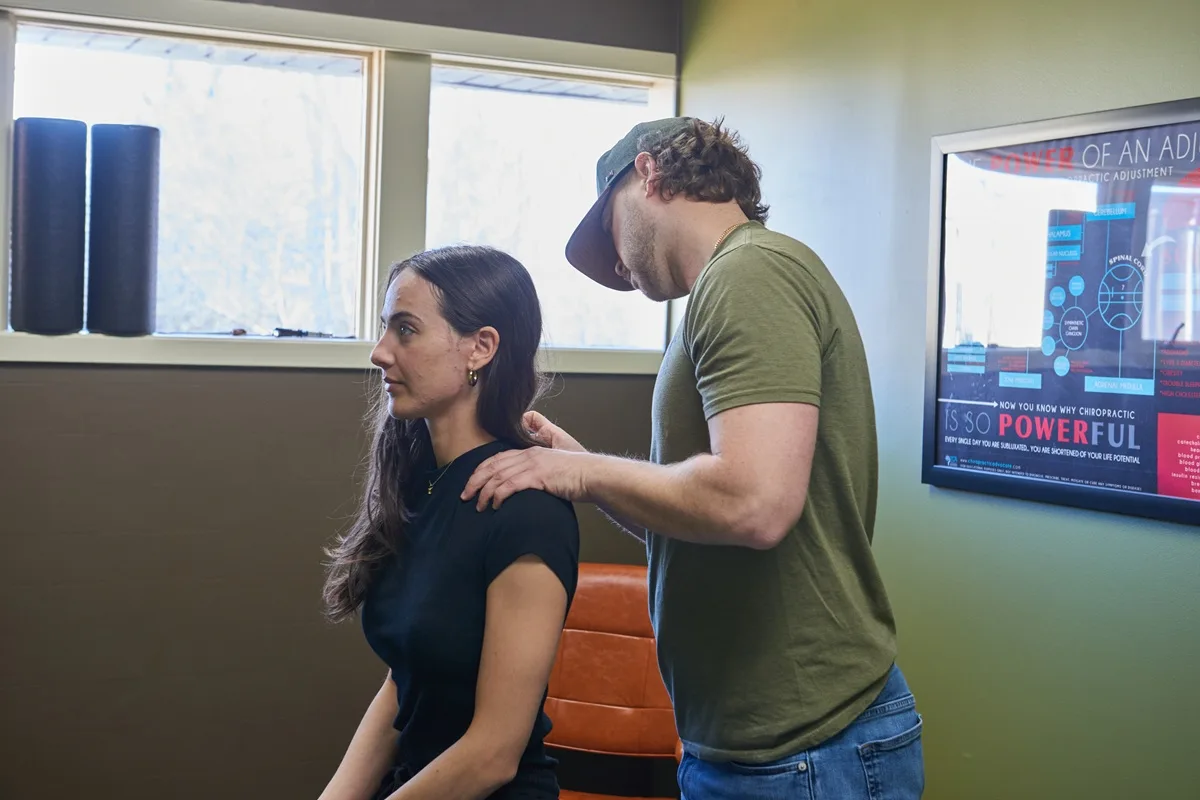
Chiropractic care focuses on the relationship between your spine's structure and your nervous system's function. When vertebrae become misaligned or lose their normal motion—what chiropractors call subluxations—they can irritate nearby nerves, limit range of motion, and alter the biomechanics of your entire spine. Chiropractic adjustments restore proper alignment and movement to these restricted joints.
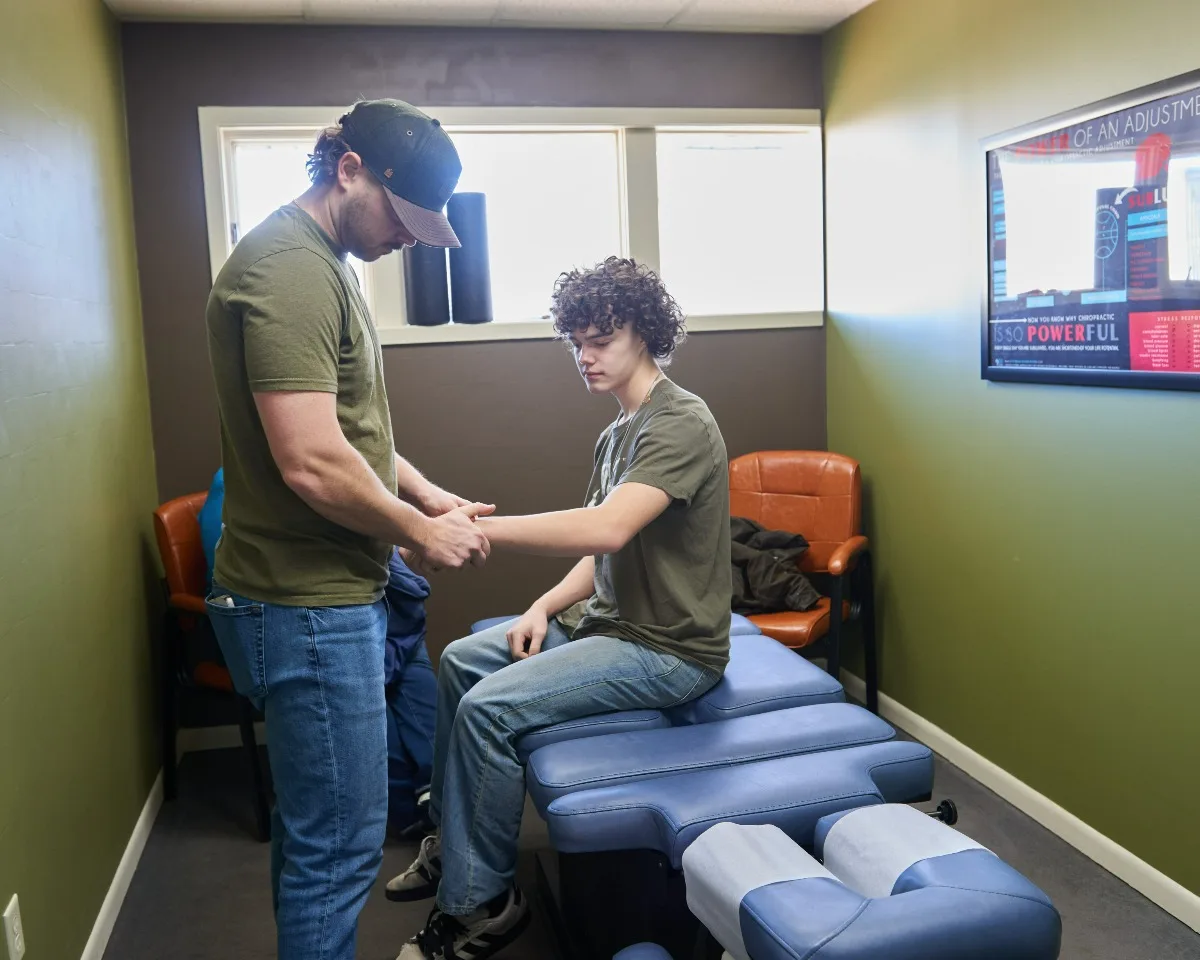
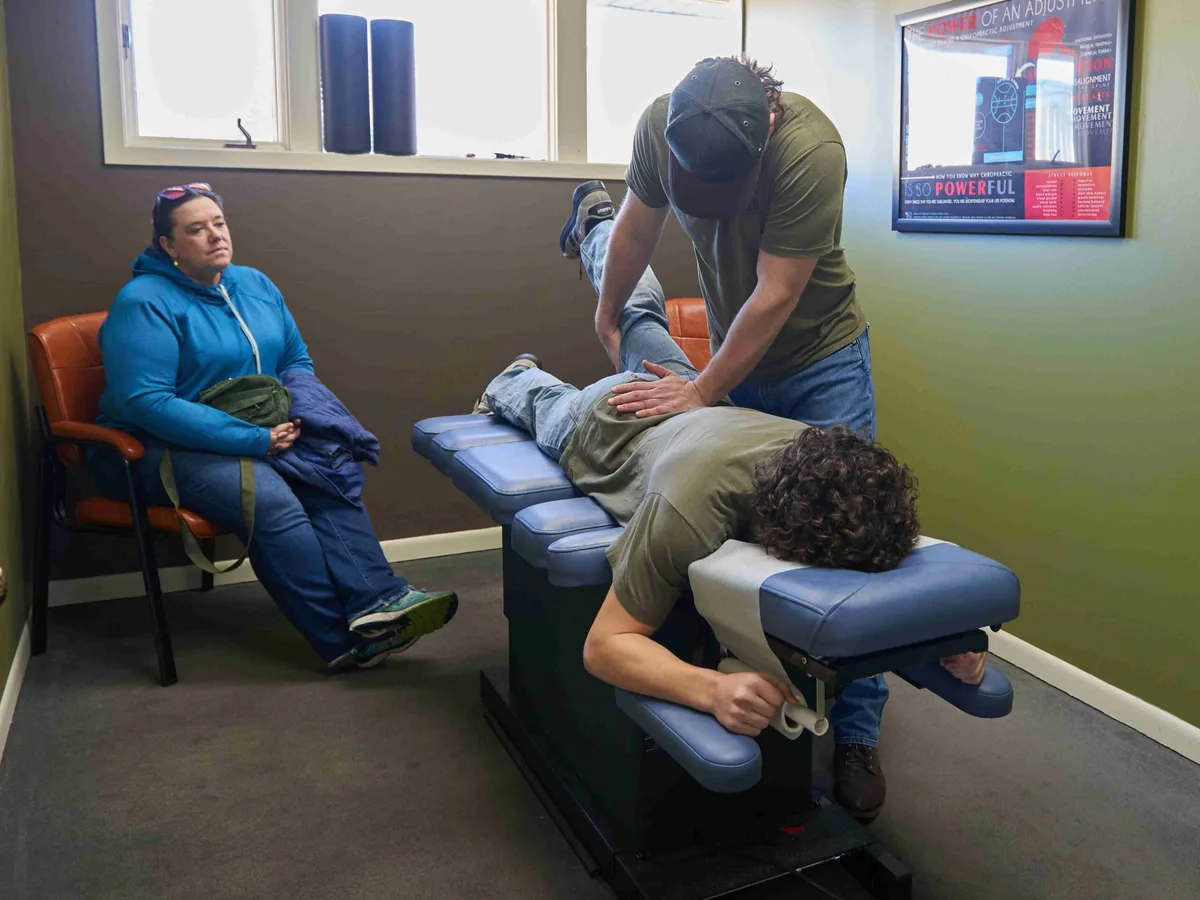
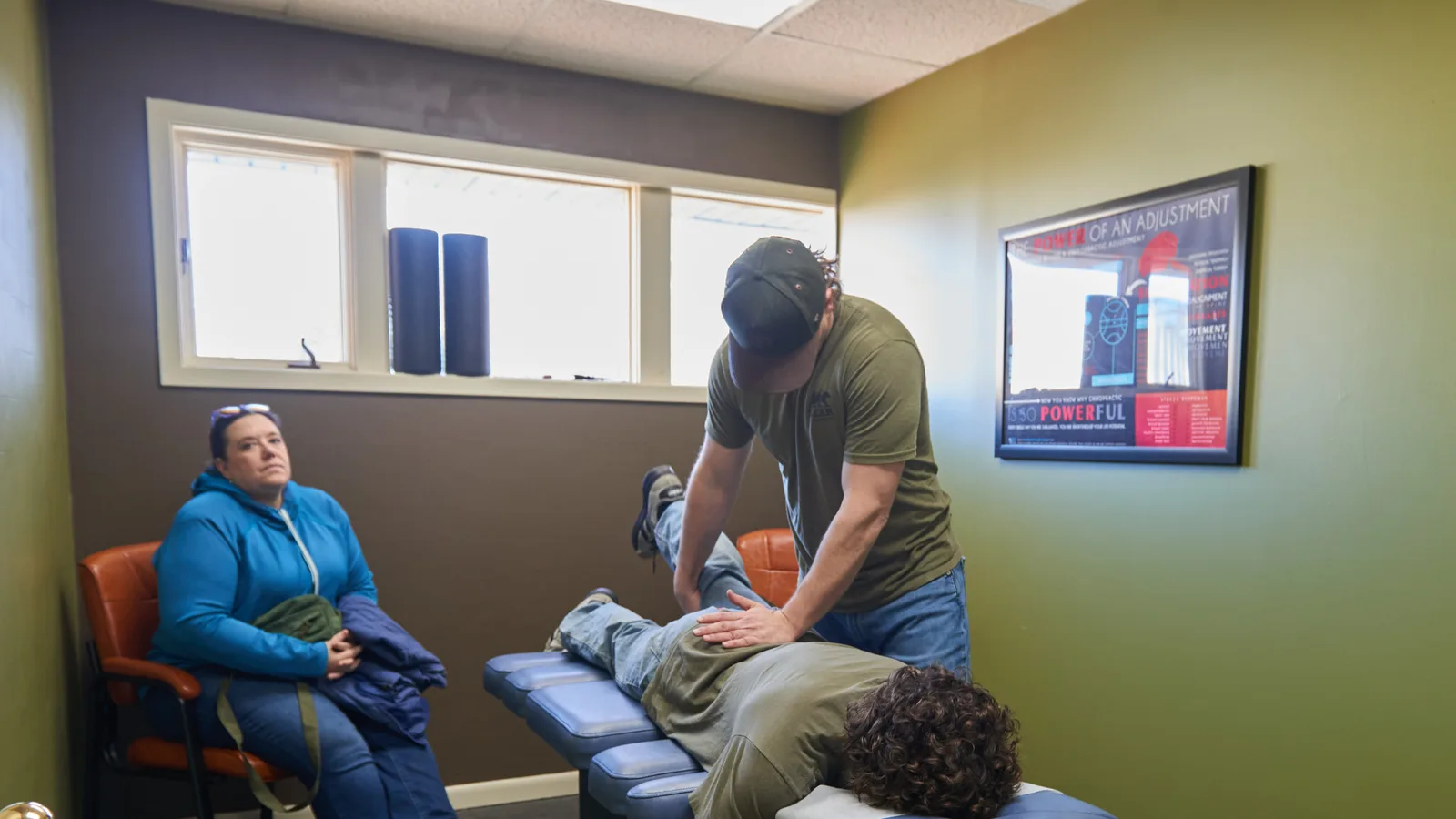
At Bear Chiropractic, Dr. Aaron Zimmerman uses various adjustment techniques tailored to each patient's specific needs and comfort level. These adjustments involve applying controlled force to specific spinal joints, helping them regain normal motion and position. The goal isn't just to "crack" your back—it's to restore proper function to your spine's individual motion segments.
Beyond adjustments, chiropractic care addresses the soft tissues surrounding your spine. Muscle tension, ligament strain, and fascial restrictions all contribute to spinal dysfunction. A comprehensive chiropractic approach considers these elements alongside joint mechanics. This whole-system perspective recognizes that your spine doesn't function in isolation—it's integrated with your posture, movement patterns, and daily activities.
The nervous system connection is central to chiropractic philosophy. Your spinal cord runs through your vertebral column, with nerve roots exiting at each level. When spinal mechanics are compromised, nerve function can be affected, leading to pain, altered sensation, or muscle weakness. Restoring proper spinal function helps optimize nervous system communication throughout your body.
Why These Therapies Work Better Together
The combination of spinal decompression and chiropractic care addresses spinal problems from complementary angles. Decompression focuses primarily on disc health and reducing pressure on nerve roots, while chiropractic adjustments restore proper joint mechanics and alignment. When used together, they create a synergistic effect that tackles both the compression component and the biomechanical dysfunction.
Consider a herniated disc in your lower back causing sciatica. The herniation itself creates pressure on the nerve root, causing pain down your leg. But often, the joints above and below the affected disc have also lost normal motion, compensating for the injured level. Decompression helps reduce the disc bulge and relieve direct nerve pressure, while chiropractic adjustments restore motion to the compensating segments and improve overall spinal mechanics.
Another important factor is muscular response. When you experience chronic spinal pain, surrounding muscles often develop protective spasm patterns. These tight muscles can pull vertebrae out of alignment and limit the effectiveness of decompression therapy. Chiropractic care addresses these muscle imbalances through adjustments and soft tissue work, creating a more receptive environment for decompression to work effectively.
The timing of these therapies matters as well. Many patients here in Grand Rapids find that decompression helps reduce their acute pain levels, making them more comfortable for chiropractic adjustments. Conversely, adjustments that improve spinal alignment can enhance the effectiveness of subsequent decompression sessions by ensuring proper positioning and force distribution during treatment.
Evidence from clinical practice indicates that patients receiving combined treatment often experience faster improvement and more sustained results than those receiving either therapy alone. This makes sense when you consider that most spinal conditions involve multiple contributing factors—disc pathology, joint dysfunction, muscle imbalance, and nerve irritation—that require a multifaceted approach.
Conditions That Benefit From Combined Treatment
Herniated and bulging discs are among the most common conditions addressed with combined decompression and chiropractic care. When disc material protrudes and compresses a nerve root, the resulting pain, numbness, and weakness can be debilitating. Decompression creates the negative pressure needed to help retract disc material, while adjustments ensure proper mechanics at adjacent spinal levels to prevent further strain on the injured disc.
Degenerative disc disease responds well to this combined approach. As discs naturally lose hydration and height with age, the spaces between vertebrae narrow, potentially causing bone-on-bone contact and nerve compression. Decompression promotes fluid movement into degenerated discs, while chiropractic care maintains joint mobility and reduces compensatory stress on surrounding structures.
Sciatica, characterized by pain radiating from the lower back down through the buttock and leg, often results from nerve root compression. Whether caused by disc herniation, spinal stenosis, or piriformis syndrome, sciatica typically involves both compression and biomechanical components that benefit from combined treatment. Many patients at Bear Chiropractic report significant relief from sciatic symptoms with this integrated approach.
Facet joint syndrome, where the small joints on the back of your spine become irritated and inflamed, creates localized back pain and stiffness. While adjustments directly address facet joint dysfunction, decompression can reduce the overall load on these joints, providing additional relief and supporting the healing process.
Chronic neck pain and cervicogenic headaches also respond to combined cervical decompression and upper cervical adjustments. The neck's complex structure and relationship to head position make it particularly responsive to treatments that address both disc health and joint mechanics simultaneously.
| Condition | Primary Decompression Benefit | Primary Chiropractic Benefit |
|---|---|---|
| Herniated Disc | Reduces disc bulge and nerve pressure | Restores motion to adjacent segments |
| Degenerative Disc Disease | Promotes disc hydration and nutrition | Maintains joint mobility and alignment |
| Sciatica | Relieves nerve root compression | Corrects biomechanical contributors |
| Facet Joint Syndrome | Reduces overall spinal loading | Directly addresses joint dysfunction |
| Spinal Stenosis | Creates space within spinal canal | Improves vertebral positioning |
What to Expect During Combined Care
Your first visit to Bear Chiropractic involves a thorough evaluation. Dr. Aaron Zimmerman will review your health history, discuss your symptoms in detail, and perform orthopedic and neurological examinations. Imaging studies like X-rays or MRI reports help identify the specific structures involved in your condition. This comprehensive assessment determines whether combined decompression and chiropractic care is appropriate for your situation.
Treatment plans are individualized based on your condition's severity, your overall health, and your response to initial care. Some patients begin with decompression to reduce acute pain before adding adjustments, while others start with both therapies simultaneously. Sessions are typically scheduled several times per week initially, then gradually reduced as you improve.
During a typical visit, you might receive decompression therapy first, allowing your spine to relax and decompress before adjustments. Other times, Dr. Zimmerman may perform adjustments first to optimize spinal positioning for decompression. The sequencing depends on your specific needs and how your body responds.
Most treatment courses span several weeks to a few months. Disc-related conditions generally require more time to heal than simple joint dysfunction, as discs have limited blood supply and heal more slowly than other tissues. Consistency matters significantly—regular sessions give your body the repetitive stimulus needed to create lasting structural changes.
As you progress, you'll likely notice improvements in pain levels, range of motion, and functional abilities. Dr. Zimmerman monitors these changes and adjusts your treatment plan accordingly. The goal isn't just symptom relief—it's restoring proper spinal function so you can return to the activities you enjoy without constantly worrying about pain.
Supporting Your Treatment at Home
The work you do between appointments significantly impacts your results. Maintaining proper posture throughout your day prevents unnecessary stress on healing spinal structures. When sitting, keep your feet flat on the floor, your back supported, and avoid slouching forward. Take frequent breaks from prolonged positions, whether sitting at a desk or standing at work.
Gentle movement supports healing better than complete rest. Walking is excellent—it promotes spinal motion without excessive load. Swimming and water exercises provide resistance while supporting your body weight. Avoid high-impact activities and heavy lifting during the initial treatment phases, but don't become sedentary. Your spine needs appropriate motion to maintain the benefits gained during treatment sessions.
Sleep positioning matters more than many people realize. If you have lower back issues, sleeping on your side with a pillow between your knees maintains neutral spinal alignment. Back sleepers benefit from a pillow under their knees to reduce lumbar strain. For neck problems, choose a pillow that keeps your neck level with your spine, not bent upward or sagging downward.
Hydration directly affects disc health. Spinal discs are largely composed of water, and adequate hydration supports the nutrient exchange that decompression therapy promotes. Aim for consistent water intake throughout the day, not just when you're thirsty.
Core strengthening exercises, when appropriate and approved by Dr. Zimmerman, help stabilize your spine and prevent re-injury. These don't need to be intense—simple exercises that engage your deep abdominal and back muscles provide the support your spine needs. However, timing matters. Wait until you've achieved sufficient healing before adding strengthening work.
Ergonomic modifications at work and home reduce repetitive strain. Adjust your computer monitor to eye level, position your keyboard and mouse within easy reach, and ensure your chair provides adequate lumbar support. Small changes in your environment can significantly reduce the daily stress your spine endures.
When to Consider This Combined Approach
Combined spinal decompression and chiropractic care is worth considering when conservative measures like rest, over-the-counter pain relievers, and basic stretching haven't provided adequate relief. If you've been dealing with back or neck pain for more than a few weeks, especially if it radiates into your arms or legs, a comprehensive evaluation at Bear Chiropractic can determine if you're a good candidate.
Specific symptoms suggest nerve involvement that often responds well to combined treatment. Numbness, tingling, or weakness in your extremities indicate nerve compression or irritation. Pain that worsens with certain positions—like sitting for prolonged periods or bending forward—often points to disc-related problems that decompression addresses effectively.
If you've been told you have a herniated disc, bulging disc, or degenerative disc disease but want to avoid surgery, this combined approach offers a conservative alternative. Many patients here in Grand Rapids come to our practice specifically seeking non-surgical options after receiving recommendations for invasive procedures.
However, certain red flags require immediate medical attention before pursuing conservative care. Severe or progressive weakness, loss of bowel or bladder control, unexplained weight loss, or pain accompanied by fever warrant urgent medical evaluation. These symptoms could indicate serious conditions requiring different interventions.
The best outcomes occur when treatment begins before conditions become chronic or severely degenerative. If you're experiencing persistent symptoms, seeking care sooner rather than later gives you the best chance for complete recovery. Dr. Aaron Zimmerman can evaluate your condition and discuss whether combined decompression and chiropractic care is appropriate for your specific situation.
Common Myths About Spinal Decompression and Chiropractic Care
Myth: Spinal Decompression Is Just Fancy Traction
Fact: While decompression involves stretching forces like traditional traction, the computer-controlled variation in pulling force makes it fundamentally different. This variation prevents muscle guarding, allowing deeper decompression and creating the negative pressure that promotes disc healing—something simple traction cannot achieve as effectively.
Myth: Chiropractic Adjustments Will Make My Discs Worse
Fact: When performed appropriately by trained professionals like Dr. Zimmerman, chiropractic adjustments support disc health by improving spinal mechanics and reducing compensatory stress on injured segments. Chiropractors modify techniques based on your specific condition, avoiding excessive force or inappropriate positioning that could aggravate disc problems.
Myth: You'll Need Treatment Forever Once You Start
Fact: Treatment plans have specific therapeutic goals, typically involving an initial intensive phase followed by gradual reduction in frequency. Many patients at Bear Chiropractic in Grand Rapids complete their care and maintain their results through proper posture, exercise, and occasional maintenance visits—not indefinite ongoing treatment.
Myth: Decompression and Adjustments Do the Same Thing
Fact: These therapies address different aspects of spinal dysfunction. Decompression primarily targets disc health and nerve decompression through controlled stretching, while adjustments restore proper joint mechanics and alignment. Their different mechanisms explain why combining them creates more comprehensive results.
Myth: If Conservative Care Works, My Problem Wasn't Serious
Fact: Many significant spinal conditions respond well to conservative care when treated appropriately. Disc herniations, stenosis, and degenerative conditions can improve substantially with combined decompression and chiropractic care. Conservative treatment success doesn't diminish the seriousness of your condition—it demonstrates your body's remarkable capacity to heal with proper support.
Final Thoughts
The combination of spinal decompression therapy and chiropractic care offers a powerful, non-surgical approach to addressing many common spinal conditions. By tackling both the compression component and the biomechanical dysfunction, this integrated strategy provides more complete relief than either approach alone. Whether you're dealing with disc problems, sciatica, degenerative changes, or chronic back pain, understanding how these therapies complement each other empowers you to make informed decisions about your care.
Here in Grand Rapids, Michigan, patients at Bear Chiropractic benefit from this comprehensive approach under the guidance of Dr. Aaron Zimmerman. The goal is not just temporary symptom relief but restoration of proper spinal function so you can return to the activities you love without limitation. If you're struggling with persistent back or neck pain, especially if it radiates into your arms or legs, a thorough evaluation can determine whether combined decompression and chiropractic care is right for you. Your spine is remarkably resilient, and with the right support, healing is possible.
Frequently Asked Questions
How many sessions of combined treatment will I need?
Treatment duration varies based on your condition's severity and chronicity. Most patients require 15-30 sessions over several weeks to months, with frequency decreasing as improvement occurs. Dr. Zimmerman develops individualized treatment plans and monitors your progress to adjust the schedule as needed.
Is spinal decompression painful?
Most patients find decompression comfortable and relaxing. You may feel a gentle pulling sensation, but it should never be painful. Some people experience mild soreness after initial sessions as their body adjusts, similar to starting a new exercise routine, but this typically resolves quickly.
Can I receive chiropractic adjustments if I have osteoporosis or arthritis?
Yes, but techniques are modified for your safety. Dr. Aaron Zimmerman uses gentler, low-force adjustment methods for patients with bone density concerns or significant arthritis. A thorough evaluation determines which techniques are appropriate for your specific situation.
Will my insurance cover combined decompression and chiropractic care?
Coverage varies significantly by insurance plan. Many policies cover chiropractic care, though decompression therapy coverage is less consistent. The team at Bear Chiropractic can review your specific insurance benefits and discuss your options during your initial consultation.
How is this different from physical therapy?
While both approaches can be beneficial, chiropractic care focuses specifically on spinal joint function and nervous system optimization through adjustments, combined with decompression's targeted disc therapy. Physical therapy emphasizes therapeutic exercise and rehabilitation. Many patients benefit from elements of both disciplines at different stages of recovery.
Can decompression help with neck problems or only back pain?
Spinal decompression can be applied to both the cervical spine (neck) and lumbar spine (lower back). Cervical decompression helps with herniated discs, degenerative changes, and nerve compression in the neck that causes arm pain or headaches. The principles remain the same, though the equipment positioning differs.
TL;DR - Key Takeaways
- Spinal decompression and chiropractic care address different but complementary aspects of spinal dysfunction—decompression relieves disc pressure and nerve compression while adjustments restore proper joint mechanics and alignment.
- Combined treatment often produces faster, more complete, and longer-lasting results than either therapy alone because it addresses multiple contributing factors simultaneously.
- Conditions like herniated discs, degenerative disc disease, sciatica, and chronic back pain benefit significantly from this integrated approach.
- Treatment is individualized, typically spanning several weeks to months with gradually decreasing frequency as you improve and heal.
- Supporting your treatment through proper posture, appropriate movement, hydration, and ergonomic modifications significantly enhances your results and helps prevent recurrence.

Dr. Aaron Zimmerman is from Yale, Michigan. He received his undergraduate degree from Saginaw Valley State University and earned his Doctorate of Chiropractic at Logan University in St Louis, MO. He is a part of the Michigan Association of Chiropractors. Dr. Aaron had the opportunity to work with a variety of cases in his time at the Logan Outpatient Clinics including but not limited to carpal tunnel, vertigo, sciatica, high ankle sprains and migraines. He has a diverse background in technique training, both manual and instrument-adjusting approaches: Diversified, Thompson, Cox-Flexion, Activator, Logan Basic Techniques, and extremities. Dr. Aaron has also received training in both pediatric care as well as athletic rehabilitation.