
If you’ve been dealing with persistent back pain, neck discomfort, or radiating symptoms down your arms or legs, you’ve probably tried multiple approaches to find relief. From over-the-counter pain medications to stretching routines, many people exhaust their options before discovering conservative, non-invasive therapies that address the root cause of their discomfort. Here in Grand Rapids, MI, many patients at Bear Chiropractic have found meaningful relief through spinal decompression therapy—a gentle, targeted approach that creates space in the spine and encourages the body’s natural healing processes.
Spinal decompression therapy has gained considerable attention in recent years as a drug-free alternative for those suffering from disc-related issues, nerve compression, and chronic spinal pain. This therapy works by gently stretching the spine in a controlled manner, which can reduce pressure on spinal discs and nerves. Whether you’re dealing with a herniated disc, sciatica, or general spinal discomfort, understanding how spinal decompression therapy works and what it can do for your spine may help you make informed decisions about your care.
What is spinal decompression therapy? Spinal decompression therapy is a non-surgical treatment that uses mechanical traction to gently stretch the spine, creating negative pressure within the spinal discs. This process can help reposition bulging or herniated disc material, improve nutrient flow to damaged areas, and reduce pressure on compressed nerves.
Table of Contents
- Relieves Pressure on Spinal Discs
- Reduces Nerve Compression and Radiating Pain
- Promotes Natural Healing Through Improved Circulation
- Provides a Non-Invasive Alternative to Surgery
- Enhances Spinal Mobility and Flexibility
- Addresses Multiple Spinal Conditions
- Supports Long-Term Spinal Health
- How Chiropractic Care and Spinal Decompression Work Together
- What to Expect During Spinal Decompression Therapy
- When to Consider Spinal Decompression Therapy
- Myths vs. Facts About Spinal Decompression
- Final Thoughts
1. Relieves Pressure on Spinal Discs
Your spinal discs act as cushions between the vertebrae, absorbing shock and allowing smooth movement throughout your daily activities. Over time, these discs can become compressed due to poor posture, repetitive stress, injury, or natural aging. When a disc becomes compressed, it may bulge or herniate, causing pain and dysfunction.
Spinal decompression therapy creates negative intradiscal pressure by gently pulling the vertebrae apart. This process encourages bulging or herniated disc material to retract back toward the center of the disc, reducing its protrusion into surrounding tissues. Research published in the Journal of Neurosurgery has shown that mechanical traction can create measurable changes in disc height and pressure.
Here in Grand Rapids, patients at Bear Chiropractic often report a noticeable reduction in their discomfort after several sessions of spinal decompression. The therapy works gradually, allowing the disc to rehydrate and heal over time. This is particularly important because discs receive limited blood supply, making natural healing slower without intervention.
By relieving pressure on the discs themselves, spinal decompression therapy addresses one of the fundamental sources of back and neck pain. The gentle stretching motion creates space that allows nutrient-rich fluids to flow into the disc, supporting the body’s natural repair mechanisms.
2. Reduces Nerve Compression and Radiating Pain
When a spinal disc bulges or herniates, it can press against nearby nerves, causing sharp, shooting pain that radiates into the arms, legs, or other areas of the body. This nerve compression is what causes conditions like sciatica, where pain travels down the leg, or cervical radiculopathy, where numbness and tingling affect the hands and fingers.
Spinal decompression therapy helps by creating space between the vertebrae, which reduces the mechanical pressure on these compressed nerves. As the disc material retracts and the space opens up, the irritated nerve has room to function normally again. Many patients notice that their radiating symptoms diminish before their localized back or neck pain fully resolves.
The nervous system is incredibly sensitive to pressure. Even small amounts of compression can disrupt nerve signals, causing pain, weakness, numbness, or tingling. By addressing the mechanical compression, spinal decompression therapy allows the nerve to recover and reduces inflammation in the surrounding tissues.
Patients at Bear Chiropractic in Grand Rapids often describe relief from symptoms they’ve been dealing with for months or even years. While results vary from person to person, many notice improvements in their radiating pain within the first few weeks of treatment. This therapy works best as part of a comprehensive care plan that includes chiropractic adjustments, therapeutic exercises, and lifestyle modifications.
3. Promotes Natural Healing Through Improved Circulation
One of the lesser-known benefits of spinal decompression therapy is its effect on circulation and nutrient delivery to damaged spinal structures. Spinal discs are largely avascular, meaning they don’t receive direct blood supply like other tissues in the body. Instead, they rely on diffusion of nutrients from surrounding areas.
When a disc is compressed, this diffusion process becomes impaired. The disc can’t receive the oxygen, water, and nutrients it needs to maintain its structure and repair damage. Over time, this leads to degeneration and increased vulnerability to injury.
Spinal decompression therapy creates a pumping action within the spine. As the vertebrae are gently pulled apart and released, negative pressure draws nutrient-rich fluids into the disc space. This process, repeated over multiple treatment sessions, helps rehydrate degenerated discs and supports the body’s natural healing response.
Evidence suggests that improved nutrient flow can slow or even partially reverse certain degenerative changes in the spine. While spinal decompression can’t turn back the clock completely, it can create an environment where healing is more likely to occur. This makes it a valuable tool for managing chronic conditions and preventing future problems.
4. Provides a Non-Invasive Alternative to Surgery
Many patients facing spinal surgery feel anxious about the risks, recovery time, and potential complications. Spinal decompression therapy offers a conservative option that can help avoid or delay surgical intervention in appropriate cases.
While surgery is sometimes necessary for severe spinal conditions, research has shown that many patients with disc herniations, degenerative disc disease, and chronic back pain can achieve meaningful relief through non-surgical approaches. The American College of Physicians recommends conservative care as a first-line treatment for most cases of low back pain.
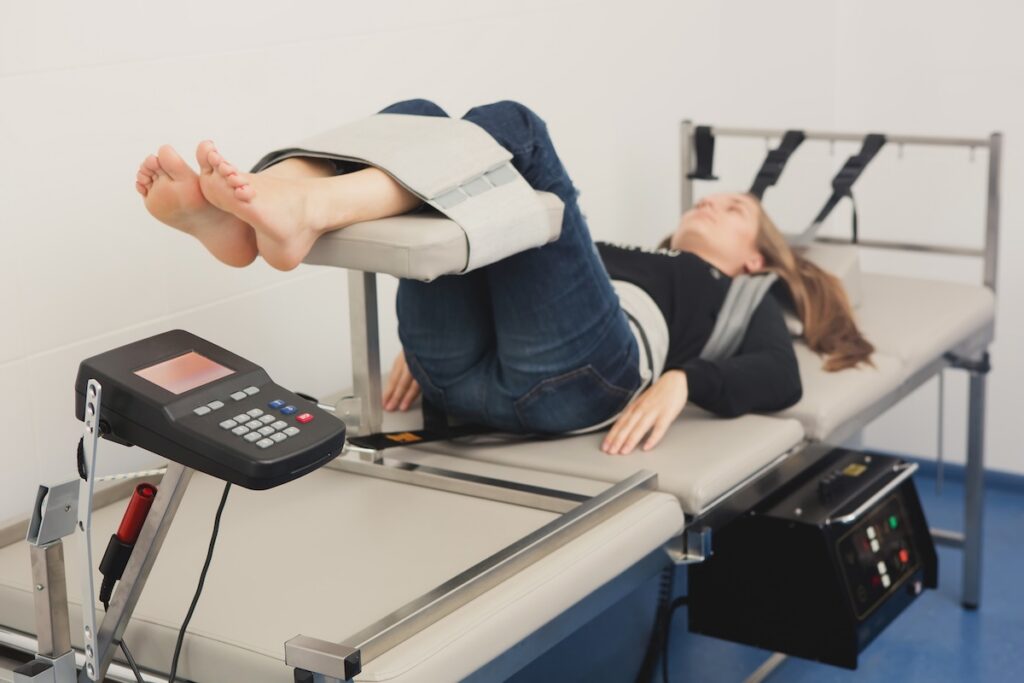
At Bear Chiropractic, we’ve seen many Grand Rapids residents successfully manage their spinal conditions without going under the knife. Spinal decompression therapy is performed on a specialized table or device that allows precise control over the amount of traction applied. Sessions are typically comfortable, and patients remain fully clothed throughout the treatment.
Unlike surgery, spinal decompression therapy carries minimal risk and requires no recovery period. Patients can return to their normal activities immediately after treatment, though they may be advised to avoid heavy lifting or strenuous exercise for a period of time. This makes it an attractive option for people who can’t afford extended time off work or who want to explore all conservative options before considering surgery.
5. Enhances Spinal Mobility and Flexibility
When your spine is painful or compressed, your body naturally restricts movement to protect the injured area. This protective mechanism, while helpful in the short term, can lead to stiffness, reduced range of motion, and compensatory movement patterns that create problems elsewhere in the body.
Spinal decompression therapy helps restore normal spinal mechanics by reducing pain and creating space between the vertebrae. As pressure is relieved and inflammation decreases, the muscles and ligaments around the spine can relax, allowing for improved mobility.
Many patients notice that they can bend, twist, and move more freely after starting spinal decompression treatment. This improved mobility isn’t just about comfort—it’s essential for maintaining overall spinal health. When your spine moves properly, forces are distributed evenly across the joints and discs, reducing the risk of future injury.
Here in Grand Rapids, we encourage patients at Bear Chiropractic to combine spinal decompression therapy with gentle stretching and strengthening exercises. This comprehensive approach addresses both the structural issues causing pain and the functional limitations that develop over time. As the spine decompresses and mobility improves, patients can gradually return to activities they may have been avoiding due to pain.
6. Addresses Multiple Spinal Conditions
Spinal decompression therapy isn’t just for one specific problem—it can be beneficial for a variety of spinal conditions. While each person’s situation is unique, this therapy has been shown to help with several common issues affecting the back and neck.
Herniated and bulging discs are perhaps the most common conditions treated with spinal decompression. When disc material protrudes beyond its normal boundaries, it can cause pain, nerve compression, and inflammation. The negative pressure created during decompression can help draw this material back toward the center of the disc.
Degenerative disc disease, a condition where the spinal discs break down over time, can also respond well to decompression therapy. While the therapy can’t completely reverse degeneration, it can improve disc hydration and reduce pain associated with the condition.
Sciatica, characterized by pain radiating down the leg due to compression of the sciatic nerve, often improves with spinal decompression. By creating space in the lumbar spine, pressure on the nerve roots that form the sciatic nerve can be reduced.
Facet syndrome, spinal stenosis, and posterior facet syndrome are other conditions that may benefit from spinal decompression therapy when appropriate. At Bear Chiropractic, we carefully evaluate each patient to determine if spinal decompression is suitable for their specific condition. Not every spinal problem is appropriate for this therapy, which is why a thorough examination and proper diagnosis are essential.
7. Supports Long-Term Spinal Health
Perhaps the most valuable aspect of spinal decompression therapy is its role in supporting long-term spinal health. Rather than simply masking symptoms, this therapy addresses underlying mechanical problems that, if left untreated, can lead to progressive degeneration and chronic pain.
By improving disc height, reducing nerve compression, and promoting better circulation to spinal structures, decompression therapy creates conditions that support ongoing spinal wellness. Many patients find that their improved spinal function allows them to participate more fully in preventive care activities like exercise, stretching, and proper ergonomics.
The goal of spinal decompression isn’t just to eliminate pain—it’s to restore function and prevent future problems. When combined with other conservative therapies, lifestyle modifications, and regular chiropractic care, spinal decompression can be part of a comprehensive strategy for maintaining a healthy spine throughout your life.
Patients in Grand Rapids who complete a course of spinal decompression therapy at Bear Chiropractic often continue with periodic maintenance sessions to preserve their results. While the frequency of these maintenance sessions varies based on individual needs, the long-term benefits of maintaining proper spinal alignment and disc health are well worth the investment.
How Chiropractic Care and Spinal Decompression Work Together
At Bear Chiropractic in Grand Rapids, MI, spinal decompression therapy is often combined with traditional chiropractic adjustments for optimal results. While these two therapies are distinct, they complement each other beautifully and address different aspects of spinal dysfunction.
Chiropractic adjustments focus on correcting misalignments in the spine, known as subluxations, which can interfere with nervous system function and cause pain. These adjustments restore proper joint motion and alignment, allowing the body to function more efficiently.
Spinal decompression therapy, on the other hand, specifically targets the intervertebral discs and creates negative pressure to relieve compression. When used together, adjustments can help ensure the spine is properly aligned before and after decompression sessions, maximizing the therapeutic benefit.
Many patients find that combining these approaches produces better results than either therapy alone. The chiropractic adjustment addresses joint dysfunction and biomechanical issues, while the decompression therapy focuses on disc health and nerve decompression. Together, they create a comprehensive treatment approach that addresses multiple layers of spinal dysfunction.
Your chiropractor may also incorporate other therapies such as therapeutic exercises, soft tissue work, and ergonomic counseling as part of your overall care plan. This multidisciplinary approach ensures that all factors contributing to your spinal condition are addressed.
What to Expect During Spinal Decompression Therapy
If you’re considering spinal decompression therapy, understanding what happens during a typical session can help ease any concerns. The process is straightforward, comfortable, and non-invasive.
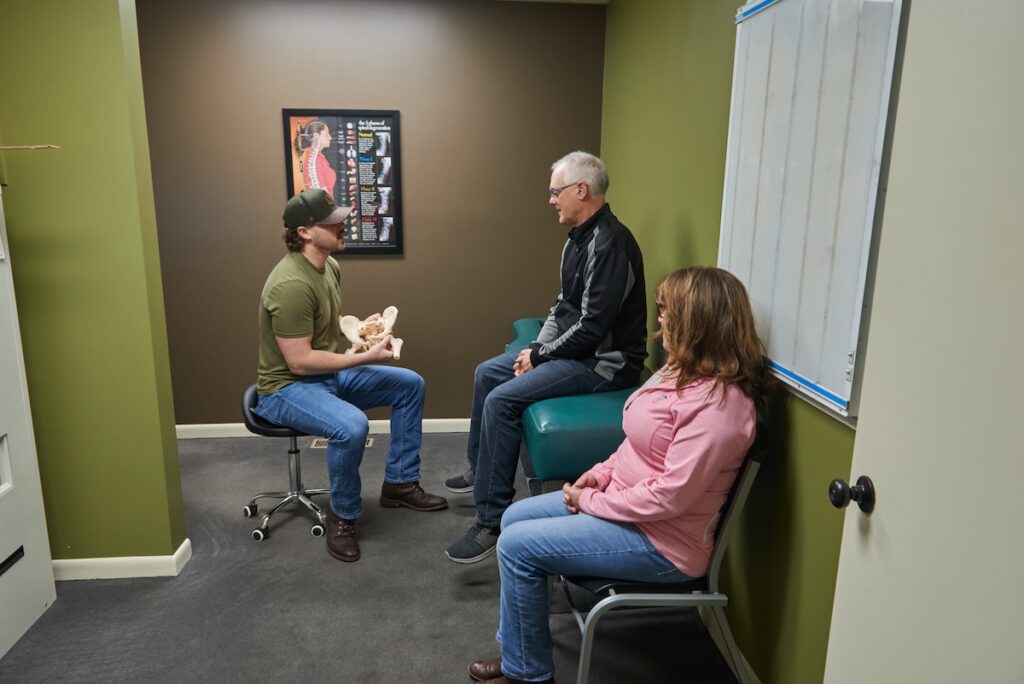
During your first visit to Bear Chiropractic, your chiropractor will conduct a thorough examination, including a review of your health history, orthopedic and neurological testing, and possibly imaging studies if needed. This evaluation helps determine if spinal decompression is appropriate for your condition.
If you’re a good candidate for the therapy, you’ll be fitted with a harness that attaches to the decompression table. The harness is typically placed around your pelvis for lower back treatment or around your upper torso for neck treatment. You’ll remain fully clothed throughout the session.
The decompression table is controlled by a computer that applies precise amounts of traction in cycles. The pulling force gradually increases and decreases, creating a gentle pumping action. Most patients find the sensation relaxing, and some even fall asleep during treatment.
A typical session lasts between 20 and 45 minutes, depending on your specific treatment plan. Most treatment protocols involve multiple sessions over several weeks—often 15 to 30 sessions total. The frequency and duration of treatment depend on the severity of your condition and how your body responds.
After each session, you may spend additional time on complementary therapies such as ice, heat, or electrical stimulation to enhance the benefits of the decompression. Your chiropractor will provide specific instructions about activities to avoid and exercises to perform between sessions.
When to Consider Spinal Decompression Therapy
Knowing when to seek professional evaluation for spinal decompression therapy is important for achieving the best outcomes. While this therapy can be highly effective, timing and proper candidate selection make a significant difference in results.
Consider consulting with a chiropractor about spinal decompression if you’ve been experiencing persistent back or neck pain for more than a few weeks despite conservative self-care measures. If your pain radiates into your arms or legs, or if you’re experiencing numbness, tingling, or weakness in your extremities, these symptoms suggest nerve involvement that may respond well to decompression.
Patients who have been diagnosed with herniated discs, bulging discs, degenerative disc disease, or sciatica are often good candidates for this therapy. If you’ve been told you need surgery but want to explore conservative options first, spinal decompression may be worth discussing with your chiropractor.
However, there are certain red flag symptoms that require immediate medical attention rather than conservative therapy. If you experience sudden loss of bowel or bladder control, severe progressive weakness in the legs, or pain accompanied by unexplained weight loss or fever, seek medical care immediately. These symptoms could indicate serious conditions that require urgent evaluation.
At Bear Chiropractic in Grand Rapids, we carefully screen every patient to ensure spinal decompression is safe and appropriate for their condition. Certain conditions, such as fractures, tumors, advanced osteoporosis, pregnancy, or severe instability in the spine, may be contraindications for this therapy. Your chiropractor will review your complete medical history to determine the best course of action for your specific situation.
| Condition | How Spinal Decompression May Help | Expected Timeline |
|---|---|---|
| Herniated Disc | Reduces disc protrusion through negative pressure, decreases nerve compression | 4-8 weeks with multiple sessions |
| Degenerative Disc Disease | Improves disc hydration and nutrient flow, reduces pain from degeneration | 6-12 weeks with ongoing maintenance |
| Sciatica | Creates space in lumbar spine, relieves pressure on sciatic nerve roots | 3-6 weeks for symptom reduction |
| Facet Syndrome | Reduces joint compression, improves mobility and reduces inflammation | 4-8 weeks depending on severity |
| Spinal Stenosis | Opens spinal canal space, reduces pressure on spinal cord and nerves | 6-10 weeks with possible ongoing care |
Myths vs. Facts About Spinal Decompression Therapy
Myth: Spinal Decompression Therapy Is the Same as Regular Traction
Fact: While both involve stretching the spine, modern spinal decompression therapy uses computerized technology to apply precise, controlled forces that avoid triggering the body’s protective muscle response. Traditional traction can sometimes cause muscles to contract reflexively, limiting effectiveness. Spinal decompression tables use specific angles and force patterns designed to maximize disc decompression while keeping the patient comfortable.
Myth: Spinal Decompression Hurts
Fact: Most patients find spinal decompression therapy to be relaxing and comfortable. The therapy uses gentle, gradual stretching rather than sudden or forceful movements. You remain in control throughout the session and can stop the treatment at any time if you experience discomfort. Many patients describe the sensation as a gentle pulling or stretching that feels therapeutic rather than painful.
Myth: You’ll See Results After Just One Session
Fact: While some patients notice immediate relief after their first session, most require multiple treatments over several weeks to achieve lasting results. Spinal conditions develop over time, and healing also takes time. A typical treatment plan involves 15 to 30 sessions, with improvements becoming more noticeable as the therapy progresses. Consistency with the recommended treatment schedule is important for achieving optimal outcomes.
Myth: Spinal Decompression Can Cure Any Spinal Problem
Fact: Spinal decompression therapy is effective for specific conditions involving disc compression and nerve impingement, but it’s not appropriate for every spinal problem. Conditions like fractures, infections, tumors, and severe instability require different treatment approaches. A thorough evaluation by a qualified chiropractor is essential to determine if you’re a good candidate for this therapy.
Myth: Once You Start Spinal Decompression, You’ll Need It Forever
Fact: Most patients complete a defined course of treatment and don’t require ongoing decompression therapy. However, some people choose periodic maintenance sessions to preserve their results, especially if they have chronic degenerative conditions. The goal is to restore function and teach you how to maintain your spinal health through proper posture, exercise, and lifestyle habits. At Bear Chiropractic, we focus on empowering patients with the knowledge and tools they need for long-term wellness.
Final Thoughts: Your Path to a Healthier Spine in Grand Rapids
Living with chronic back or neck pain can be exhausting and frustrating, affecting every aspect of your daily life. Spinal decompression therapy offers a promising option for those seeking relief without surgery or medications. By addressing the underlying mechanical issues that cause disc compression and nerve irritation, this therapy creates an environment where your body can heal naturally.
At Bear Chiropractic in Grand Rapids, MI, we’re committed to helping our community members find effective, conservative solutions for their spinal health concerns. Spinal decompression therapy is just one of the many tools we use to help patients achieve their wellness goals. Whether you’re dealing with a herniated disc, sciatica, or chronic degeneration, we’ll work with you to develop a personalized care plan that addresses your unique needs.
Remember that every person’s journey to recovery is different. What works for one patient may not be appropriate for another, which is why professional evaluation and individualized treatment planning are so important. If you’re curious about whether spinal decompression therapy might be right for you, we encourage you to schedule a consultation. Together, we can explore your options and help you take the first steps toward a healthier, more comfortable spine.
Frequently Asked Questions About Spinal Decompression Therapy
How long does each spinal decompression session take?
A typical spinal decompression session lasts between 20 and 45 minutes, depending on your specific treatment protocol and condition. Your chiropractor at Bear Chiropractic will determine the optimal session length based on your needs. You may also receive complementary therapies before or after decompression, which can extend your total appointment time.
Is spinal decompression therapy covered by insurance?
Insurance coverage for spinal decompression therapy varies by provider and plan. Some insurance companies cover this therapy when it’s deemed medically necessary, while others may not. It’s best to contact your insurance provider directly or speak with our office staff to understand your coverage options and any out-of-pocket costs you may incur.
Can spinal decompression therapy help with neck pain?
Yes, spinal decompression therapy can be used for both cervical (neck) and lumbar (lower back) conditions. Cervical decompression uses similar principles but is applied to the neck region to address conditions like herniated cervical discs, neck pain, and radiating arm symptoms. The therapy is modified to safely accommodate the unique anatomy of the cervical spine.
Are there any side effects from spinal decompression therapy?
Most patients experience no significant side effects from spinal decompression therapy. Some people report mild soreness or stiffness after their first few sessions, similar to what you might feel after starting a new exercise routine. This typically resolves quickly as your body adjusts to the treatment. Serious complications are extremely rare when the therapy is performed by a trained professional.
How soon can I return to work or exercise after starting spinal decompression?
Most patients can continue their normal daily activities, including work, immediately after spinal decompression sessions. However, your chiropractor may recommend avoiding heavy lifting, high-impact activities, or strenuous exercise during the initial treatment period to allow your spine to heal. As you progress through treatment and your symptoms improve, you’ll gradually be able to return to more demanding activities.
What’s the success rate of spinal decompression therapy?
Research indicates that many patients experience significant improvement with spinal decompression therapy when used for appropriate conditions. Success rates vary depending on the specific diagnosis, severity of the condition, and individual patient factors. Not everyone achieves complete resolution of symptoms, but many patients report meaningful reduction in pain and improved function. Your chiropractor can discuss realistic expectations based on your particular situation.
TL;DR – Key Takeaways
- Spinal decompression therapy creates negative pressure in spinal discs, helping to retract herniated material and reduce nerve compression without surgery or medications.
- The therapy improves circulation and nutrient flow to damaged discs, supporting the body’s natural healing processes and potentially slowing degenerative changes.
- Spinal decompression can address multiple conditions including herniated discs, sciatica, degenerative disc disease, and spinal stenosis when appropriately applied.
- Most patients require 15-30 sessions over several weeks to achieve optimal results, with many experiencing gradual improvement in pain and function throughout treatment.
- When combined with chiropractic adjustments, therapeutic exercises, and lifestyle modifications at Bear Chiropractic in Grand Rapids, MI, spinal decompression therapy can be part of a comprehensive approach to long-term spinal health.