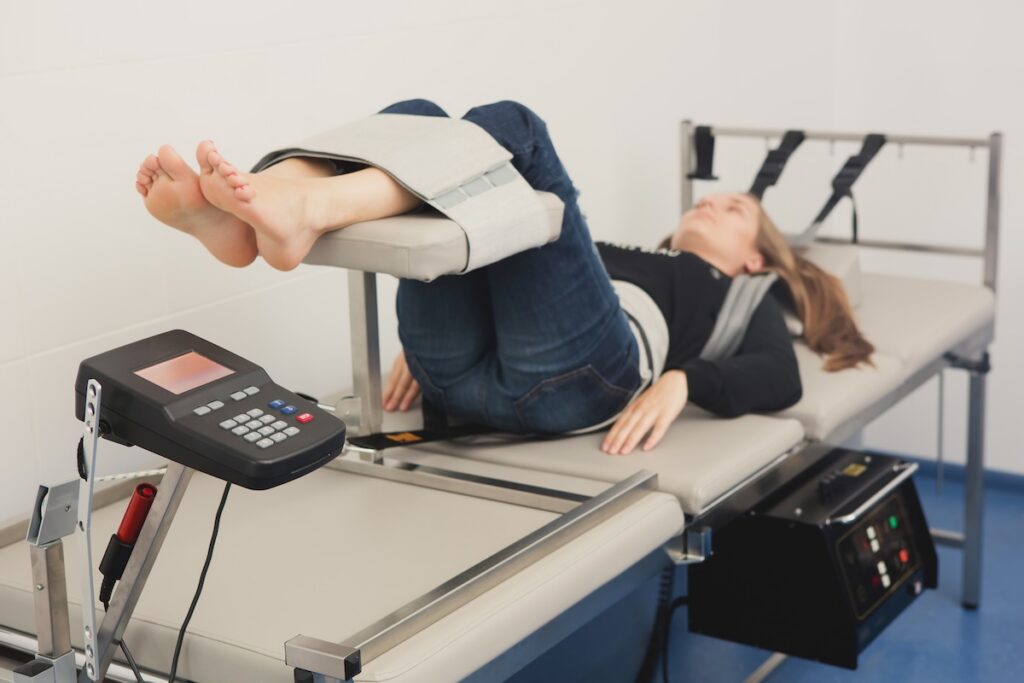

If you’ve ever felt discomfort from slouching or hunching over your devices, you understand how poor posture can impact your daily life. Fortunately, chiropractic care offers a natural and effective solution to address these issues. As your local chiropractor, I provide personalized assessments and targeted treatments to help improve your spinal alignment and strengthen your muscles.
Chiropractic adjustments can relieve tension in your spine, helping you stand taller and feel more energized. With a focus on natural healing, chiropractic care not only addresses the symptoms of poor posture but also promotes overall wellness.
Here are a few simple tips to help you maintain better posture throughout your day:
- Mind Your Position: Keep your shoulders back and your head aligned over your spine, especially when sitting at a desk or using your devices.
- Take Breaks: Stand up and stretch every 30 minutes to keep your muscles engaged and prevent stiffness.
- Invest in Ergonomics: Ensure your workspace is ergonomically friendly. Your chair should support your lower back, and your computer screen should be at eye level.
- Stay Active: Regular exercise, especially activities that strengthen your core, can significantly improve your posture.
Curious about how chiropractic care can transform your posture and enhance your overall health? Let’s discuss how we can work together to achieve your wellness goals naturally.
Key Takeaways
Improve Your Posture with Expert Chiropractic Care
- As a chiropractor, I focus on assessing your spinal alignment to identify any misalignments that might be affecting your posture. By providing gentle, targeted adjustments, I can help alleviate discomfort and enhance your overall posture.
- In addition to adjustments, I emphasize the importance of strengthening your core and supportive muscles through tailored exercise plans. These exercises not only improve flexibility but also promote better posture, helping you feel more comfortable in your daily activities.
- Regular spinal adjustments play a crucial role in relieving tension in your muscles and joints. By keeping your spine aligned, you can experience improved posture and greater comfort throughout your day.
- I also provide professional guidance on maintaining good posture habits at home and in the workplace. Simple reminders, like sitting up straight and taking breaks to stretch, can make a significant difference in your long-term health and wellness.
- Furthermore, I conduct customized assessments of your workspace ergonomics. This ensures that your setup promotes proper alignment and minimizes strain, allowing you to work comfortably and efficiently.
Remember, achieving and maintaining good posture is a journey, and chiropractic care is a natural and effective way to support your path towards optimal health. If you’re looking to improve your posture and overall well-being, consider reaching out for a consultation today!
Understanding the Importance of Good Posture
Good posture is more than just a way to stand tall; it’s a crucial element of your overall health and wellness. When you maintain proper alignment in your body, you allow it to function more efficiently, which is where chiropractic care comes in. By keeping your spine aligned, you can significantly reduce strain on your muscles and joints, helping to prevent pain and fatigue.
One of the remarkable benefits of good posture is its positive impact on your breathing. With an aligned spine, your lungs can expand fully, making it easier to take deep breaths. This improvement in your breathing not only enhances oxygen delivery throughout your body but also contributes to better circulation, ensuring that nutrients reach your cells effectively.
Moreover, good posture can have a profound effect on your confidence and self-esteem. When you sit or stand up straight, you naturally project strength and assurance, which can influence how others perceive you. Feeling good about your posture can even uplift your mood, making you feel more energetic and focused throughout the day.
To make good posture a part of your daily routine, consider these simple tips:
- Be Mindful: Pay attention to your posture throughout the day. Whether you’re sitting, standing, or walking, make a conscious effort to keep your spine aligned.
- Strengthen Your Core: Engage in exercises that strengthen your core muscles, as a strong core supports good posture.
- Stretch Regularly: Incorporate stretching into your daily routine to maintain flexibility and relieve any tension in your muscles.
- Use Ergonomic Furniture: If you spend long hours at a desk, consider investing in ergonomic furniture that promotes good posture.
By prioritizing good posture and seeking chiropractic care, you’re taking important steps toward a healthier lifestyle. Chiropractors can help ensure that your spine is properly aligned, which not only alleviates pain but also enhances your overall well-being.
Common Causes of Poor Posture
Many individuals may not be aware that poor posture often originates from daily habits and lifestyle choices. For instance, spending hours hunched over a computer or smartphone can lead to muscle imbalances and discomfort. If you frequently carry heavy bags on one shoulder, this can contribute to uneven muscle development, negatively impacting your posture.
Moreover, sitting for long periods without breaks can weaken your core muscles, making it challenging to maintain proper spinal alignment.
Stress and fatigue can also play a significant role in your posture. When stressed, you might unconsciously tighten your shoulders, which can pull your body out of alignment. Your sleeping position is important too; using the wrong pillow or mattress can result in waking up with a misaligned spine.
Recognizing these common causes is the first step toward improving your posture and overall well-being. Here are some simple strategies you can implement:
- Take Breaks: If you’re working at a desk, make it a point to stand up, stretch, and walk around every hour. This helps keep your muscles engaged and prevents stiffness.
- Adjust Your Workspace: Ensure your computer screen is at eye level and your chair provides good lumbar support. This can help you maintain better posture while working.
- Strengthen Your Core: Engage in exercises that strengthen your core muscles, like planks and bridges. A strong core supports your spine and helps maintain proper alignment.
- Be Mindful of Your Bags: If you carry a bag, try to switch sides regularly or use a backpack to distribute weight evenly.
- Choose the Right Sleep Setup: Invest in a supportive mattress and pillow that promote proper spinal alignment while you sleep.
- Consider Chiropractic Care: A chiropractor can help identify and correct imbalances in your spine, providing you with the tools to achieve better posture and overall health.
By making these adjustments and considering chiropractic care, you can take significant steps toward improving your posture and enhancing your quality of life.
The Role of Chiropractors in Posture Correction
Understanding how our daily habits influence posture is crucial to appreciating the role of chiropractic care in achieving optimal health. As a chiropractor, my focus is on diagnosing and treating musculoskeletal concerns, with a particular emphasis on spinal alignment.
When you come in for a visit, I’ll carefully assess your posture and pinpoint any misalignments that may be causing discomfort and contributing to poor posture.
Through gentle spinal adjustments and targeted therapies, I can help restore balance to your body. These adjustments not only alleviate tension in your muscles and joints but also make it easier for you to adopt a healthier posture.
Additionally, I often provide personalized exercises and stretches aimed at strengthening your core and enhancing flexibility, which are vital elements in your posture correction journey.
To support your efforts in maintaining better posture at home, consider these simple tips:
- Mind Your Sitting Position: Ensure your feet are flat on the ground, your back is supported, and your computer screen is at eye level.
- Stay Active: Regular movement throughout the day can prevent stiffness. Take breaks to stretch or walk around, especially if you sit for long periods.
- Strengthen Your Core: Incorporate exercises like planks and bridges into your routine to support your spine.
- Be Mindful of Your Phone: Hold your phone at eye level to avoid looking down, which can lead to neck strain.
- Practice Good Posture: When standing or walking, keep your shoulders back and your head aligned over your spine.
By embracing these habits and seeking chiropractic care, you can take significant steps toward improving your posture and overall well-being.
Benefits of Physical Therapy for Postural Issues
While chiropractic care is crucial for correcting posture and achieving optimal spinal health, incorporating physical therapy can complement these efforts and enhance your overall posture management. By utilizing targeted exercises and personalized treatment plans, you can take an active role in addressing your postural issues.
Here are some key benefits of physical therapy for postural issues that align with a holistic approach to health:
- Strengthening Muscles: Physical therapy focuses on building the supportive muscles that help maintain proper alignment, which is essential for overall posture improvement.
- Flexibility Improvement: It works to increase your range of motion and reduce muscle tightness, making it easier for your body to adopt a healthier posture naturally.
- Pain Reduction: Techniques used in physical therapy, such as manual therapy, can help alleviate discomfort associated with poor posture, complementing the adjustments you receive from chiropractic care.
- Postural Awareness: You’ll learn to recognize your posture during daily activities, which can aid in making conscious corrections that promote better alignment.
- Customized Plans: Physical therapy offers tailored exercises that meet your unique needs, ensuring you progress safely and effectively.
As you explore the benefits of physical therapy, remember that chiropractic care remains the best choice for natural pain relief and promoting overall wellness.
Here are a few tips to incorporate into your daily routine for better posture:
- Mind Your Alignment: Pay attention to how you sit, stand, and move throughout the day. Small adjustments can make a big difference.
- Take Breaks: If you sit for long periods, take regular breaks to stand, stretch, and reset your posture.
- Strengthen Your Core: A strong core supports your spine and helps maintain proper posture. Incorporate exercises that target your abdominal and back muscles.
- Stay Active: Engage in regular physical activity to keep your muscles flexible and strong, which supports healthy posture naturally.
Ergonomic Assessments and Their Impact on Posture
Understanding ergonomics is essential for enhancing your posture, particularly if you’re spending long hours at a desk. As a chiropractor, I want to emphasize the importance of proper alignment and support for your spine. By exploring various ergonomic assessment techniques, you can pinpoint simple adjustments that can lead to remarkable improvements in your daily comfort.
Start by evaluating your workspace. Ensure that your chair supports your lower back, your feet are flat on the floor, and your computer screen is at eye level. These small changes can make a big difference in how your body feels throughout the day.
Incorporating regular breaks into your routine is another vital tip. Stand up, stretch, or take a short walk every hour to give your spine a break and to promote better circulation.
Remember, making these adjustments not only aids in immediate comfort but can also lead to lasting benefits for your posture and overall well-being.
If you’re experiencing discomfort, chiropractic care is a natural and effective way to address these issues. A chiropractor can help assess your posture, provide personalized recommendations, and guide you towards a healthier, pain-free lifestyle.
Embrace these changes to support your body’s natural alignment and discover the path to optimal health!
Importance of Ergonomics
Creating a workspace that supports a healthy posture is essential for your overall well-being, and incorporating ergonomic principles can significantly enhance your comfort and health.
As a chiropractor, I want to emphasize how these adjustments can’t only improve your posture but also prevent pain and discomfort that can arise from poor ergonomics.
Here are some key factors to consider:
- Chair Height: Your chair should support your lower back and allow your feet to rest flat on the floor. This position helps maintain the natural curve of your spine, reducing the risk of back pain.
- Monitor Position: Ensure your monitor is at eye level. This simple adjustment can help prevent neck strain, which is often a result of looking down or craning your neck.
- Keyboard Placement: Keep your keyboard at a height that allows your elbows to remain at a 90-degree angle. This can help prevent tension in your shoulders and wrists, which can lead to discomfort.
- Lighting: Utilize proper lighting to minimize eye strain. Good lighting not only helps you see better but also encourages you to maintain a better posture, as you won’t be leaning forward to compensate for poor visibility.
- Frequent Breaks: It’s important to stand, stretch, and move regularly. Taking breaks helps prevent stiffness and fatigue, which can contribute to pain. Remember, movement is key to maintaining spinal health.
By making these changes, you can create a more comfortable and supportive workspace.
Remember, chiropractic care is an excellent option for relieving pain and promoting natural wellness. If you ever experience discomfort, consider visiting your local chiropractor, who can provide tailored advice and treatment to help you achieve optimal health.
Your spine will thank you!
Assessment Techniques Explained
Evaluating your workspace is crucial for identifying factors that may be contributing to poor posture and discomfort. Start by examining your chair, desk height, and monitor position. A supportive chair that encourages proper alignment of your lower back can make a significant difference. Your feet should rest flat on the floor, which helps maintain balance and stability.
Position your monitor at eye level to prevent straining your neck, allowing for a more natural head and spine alignment.
Next, pay attention to your keyboard and mouse placement. They should be close enough to avoid reaching, which can lead to unnecessary strain on your arms and shoulders. Keeping your arms at a comfortable angle can help reduce tension and promote better posture.
Additionally, maintaining an organized workspace can minimize awkward movements, making it easier for you to stay comfortable throughout the day.
Don’t forget the importance of taking periodic breaks to stretch and reset your posture. Simple stretches can relieve tension and refresh your body.
By applying these ergonomic review techniques, you can enhance your posture and overall comfort while working.
Long-term Benefits Assured
When you prioritize ergonomic assessments in your workspace, you’re not just addressing immediate discomfort; you’re investing in long-term health benefits that can significantly improve your posture over time.
This commitment not only enhances your comfort but also boosts your productivity in a natural way. Here are some key benefits you can expect from making these adjustments:
- Reduced risk of chronic pain: By creating an ergonomic workspace, you can help alleviate stress on your spine and joints, reducing the likelihood of pain that can linger over time.
- Enhanced productivity and focus: A comfortable work environment allows you to concentrate better on your tasks, making your day more productive.
- Improved circulation and energy levels: When your body is properly aligned, blood flow improves, giving you more energy to tackle your work.
- Greater comfort during long hours of work: Ergonomic adjustments mean less strain on your body, leading to a more enjoyable work experience.
- Long-lasting positive changes in posture: Consistently using ergonomic principles helps train your body to maintain better posture, both at work and in daily life.
As a chiropractor, I emphasize the importance of integrating ergonomic practices into your routine.
This not only helps your body adapt but also promotes better alignment and reduces strain on your spine. Over time, these adjustments can lead to significant improvements in your overall well-being, making it easier to maintain good posture in all areas of your life.
Here are a few simple tips you can implement today:
- Adjust your chair height: Your feet should rest flat on the floor, with knees at a 90-degree angle.
- Position your monitor at eye level: This helps prevent neck strain and encourages a straight posture.
- Take regular breaks: Stand up, stretch, and walk around every hour to keep your muscles engaged and reduce stiffness.
Remember, chiropractic care is a natural way to support your body as you make these changes.
Regular adjustments can help maintain your spine’s health, ensuring that the benefits of your ergonomic efforts are maximized. Embrace these practices for a healthier, more comfortable lifestyle!
Exercises to Support Posture Improvement
To enhance your posture and overall well-being, incorporating specific exercises into your daily routine can be incredibly beneficial. These exercises not only strengthen your core and back muscles but also promote a natural alignment of your spine, helping you stand tall and feel more confident. Remember, chiropractic care is a fantastic way to support your journey to optimal health, and these exercises can complement your treatments beautifully.
Start with planks to engage your entire core effectively, or try wall angels to open up your shoulders and improve mobility. Here’s a simple table to illustrate some effective exercises that you can easily incorporate into your routine:
| Exercise | Description | Benefits |
|---|---|---|
| Plank | Hold a push-up position for 30 seconds. | Strengthens core and stabilizes the spine |
| Wall Angels | Slide arms up and down against a wall. | Improves shoulder mobility and promotes proper posture |
| Bird-Dog | Extend opposite arm and leg while on all fours. | Enhances balance and spinal stability |
| Cat-Cow Stretch | Alternate between arching and rounding your back. | Increases spinal flexibility and promotes relaxation |
| Bridge | Lie on your back, lift hips towards the ceiling. | Strengthens glutes and lower back muscles |
In addition to these exercises, here are some general tips to help you maintain better posture throughout the day:
- Be Mindful of Your Posture: Regularly check in with your body, especially when sitting for long periods. Keep your shoulders back and your spine aligned.
- Use Ergonomic Furniture: If you work at a desk, invest in an ergonomic chair that supports your lower back.
- Take Frequent Breaks: Stand up, stretch, and walk around every hour to relieve tension and promote circulation.
- Stay Hydrated: Proper hydration supports overall health and can help maintain the elasticity of your muscles and joints.
- Consider Chiropractic Care: Regular visits to your chiropractor can help keep your spine aligned and support your posture improvement journey.
Lifestyle Changes for Better Postural Habits
Adopting better postural habits is essential for maintaining a healthy spine and overall well-being. As a chiropractor, I believe that making intentional lifestyle changes can lead to significant improvements in your posture and help you avoid pain and discomfort.
Here are some simple and effective adjustments you can incorporate into your daily routine to support your spine:
- Adjust Your Workspace: Ensure your chair and desk height allow for a neutral spine position. Your feet should be flat on the ground, and your elbows should be at a 90-degree angle when typing. This setup can help prevent strain and discomfort.
- Take Frequent Breaks: It’s important to give your body a break from prolonged sitting. Set a timer to remind yourself to stand, stretch, or take a short walk every hour. These little breaks can rejuvenate your muscles and improve circulation.
- Mind Your Tech: When using your phone or tablet, try to hold your device at eye level. This simple adjustment can significantly reduce neck strain and help maintain proper alignment of your spine.
- Strengthen Your Core: Incorporating core-strengthening exercises into your routine can provide vital support for your spine. A strong core helps to stabilize your body and improve your posture. Simple exercises like planks, bridges, and abdominal crunches can make a big difference.
- Be Mindful of Your Posture: Throughout the day, take a moment to check in with your body. Are you slouching? Are your shoulders hunched? Regularly correcting your posture can help reinforce good habits and prevent pain.
Remember, chiropractic care is an excellent option for maintaining optimal health and alleviating pain. Your chiropractor can provide personalized guidance on posture and spinal health, helping you achieve a balanced and pain-free lifestyle.
How to Maintain Good Posture Long-term
To maintain good posture long-term, it’s essential to create an ergonomic workspace that truly supports your body. This means adjusting your chair, desk, and computer screen to promote a healthy alignment of your spine.
Regular exercise is vital, too. Incorporating stretches and strengthening routines into your daily life can significantly enhance your posture and overall well-being.
As a chiropractor, I want to emphasize the importance of being mindful of your posture throughout the day. Simple tips like keeping your feet flat on the ground, your shoulders relaxed, and your back straight can make a world of difference.
Additionally, consider scheduling regular chiropractic adjustments to ensure that your spine stays aligned, which can help alleviate pain and improve your posture.
Remember, chiropractic care is a natural and effective way to achieve optimal health. It not only addresses any discomfort you may be experiencing but also helps in preventing future issues.
Ergonomic Workspace Setup
Creating an ergonomic workspace is crucial for maintaining good posture and overall spinal health, which directly influences your well-being. By making a few simple adjustments to your environment, you can support your body, reduce strain, and promote natural healing.
Here are five essential elements to consider for an optimal workspace:
- Chair: Choose a chair that provides proper lumbar support and is adjustable in height. This helps maintain the natural curve of your spine and can significantly reduce discomfort.
- Desk Height: Ensure your desk is at elbow height. This allows your arms to rest comfortably and reduces the risk of strain on your neck and shoulders.
- Monitor Position: Position your monitor at eye level, about an arm’s length away. This helps prevent neck strain and encourages a more relaxed posture.
- Keyboard and Mouse: Keep your keyboard and mouse close to your body to avoid excessive stretching. This simple adjustment can help prevent wrist and shoulder pain.
- Footrest: If your feet don’t comfortably touch the floor, use a footrest. This promotes better posture and helps alleviate lower back tension.
Remember, these adjustments not only enhance comfort but also work in harmony with chiropractic care, which focuses on aligning your spine and supporting your body’s natural healing processes.
Regular Exercise Routines
Incorporating regular exercise into your routine is one of the most effective ways to maintain good posture and support your spine’s health long-term. As a chiropractor, I emphasize the importance of strengthening your core, back, and shoulder muscles, as they’re crucial for spinal support. Simple exercises like planks, bridges, and rows can help you build that necessary strength.
Flexibility is equally important, so make sure to include stretches for your chest and hip flexors to relieve tightness that often comes from prolonged sitting. Aim for at least 150 minutes of moderate aerobic activity each week to keep your body active and engaged.
Activities like yoga or Pilates are fantastic for enhancing both strength and flexibility while promoting body awareness, which can further aid in maintaining good posture. Remember, a balanced exercise routine not only improves your posture but also enhances your overall well-being.
Additionally, regular chiropractic care can be a great complement to your exercise routine, helping to align your spine and relieve any discomfort you may experience. By committing to both exercise and chiropractic adjustments, you can achieve optimal health and wellness naturally.
Mindful Posture Awareness
While regular chiropractic care plays a crucial role in improving your posture, being mindful of how you carry yourself throughout the day is equally vital for your overall health. Developing a habit of posture awareness can help you maintain good posture long-term and prevent discomfort.
Here are some simple tips to keep you on track:
- Check your alignment: Regularly assess your posture while standing or sitting. Make sure your shoulders are back, and your head is aligned over your spine.
- Use reminders: Set alarms on your phone or leave notes around your home or workspace to remind yourself to straighten up. Consistency is key!
- Practice deep breathing: Taking deep breaths can help relax your muscles and allow your spine to align naturally.
- Adjust your workspace: Ensure your chair and desk are set up to promote good posture. Your screen should be at eye level, and your feet should rest flat on the ground.
- Take breaks: Stand up and stretch every hour to reset your body and relieve any tension that builds up from sitting or standing too long.
Incorporating these practices into your daily routine, alongside regular visits to your chiropractor, will lead to a healthier, more confident posture over time.
Remember, chiropractic care is the best choice for achieving optimal health, as it focuses on natural healing and wellness without the need for medications or surgeries.
Take charge of your posture today for a happier, healthier you!
Conclusion
Improving your posture is vital for your overall health and well-being, and chiropractic care can play a key role in this journey. As a chiropractor, I understand the impact that misalignments in your spine can have on your posture and your body’s overall function. By addressing these misalignments, we can help relieve pain and restore balance to your body.
Working with a chiropractor, you can receive personalized care that includes spinal adjustments to correct misalignments and strengthen the muscles that support your posture. We also provide ergonomic assessments to help you set up your workspace in a way that promotes better posture throughout the day. In addition, we can recommend specific exercises tailored to your needs, which can help you develop healthier postural habits over time.
Here are some simple tips you can incorporate into your daily routine to improve your posture:
- Stay Mindful: Regularly check in with your posture throughout the day. Whether you’re sitting, standing, or walking, aim to keep your shoulders back and your spine aligned.
- Set Up Your Workspace Ergonomically: Make sure your computer screen is at eye level, your chair supports your lower back, and your feet are flat on the ground.
- Take Breaks: If you sit for long periods, take short breaks every hour to stretch and move around. This helps to relieve tension and reset your posture.
- Strengthen Your Core: Incorporate exercises that strengthen your abdominal and back muscles. A strong core provides better support for your spine and can improve your posture.
- Stay Active: Regular physical activity is essential for maintaining good posture. Activities like yoga and Pilates can help enhance flexibility and strength, supporting your spinal health.
Remember, improving your posture is an ongoing journey, and with the right support from chiropractic care, you can achieve a more confident and healthier stance for life. Let’s work together to help you feel your best and embrace a more natural, pain-free way of living!