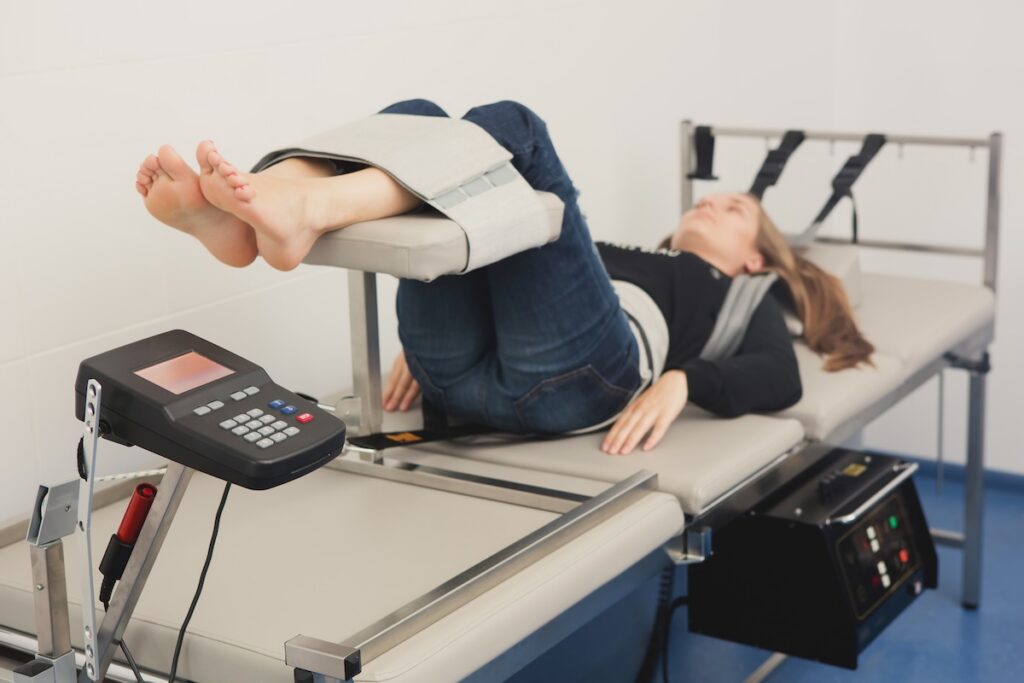

As a local chiropractor, I believe that enhancing your joint flexibility and movement starts with understanding your body’s unique needs. Many people are unaware of how proper care can significantly improve their everyday activities and overall well-being. There are various effective strategies to support your joints, including targeted exercises and nutritional guidance.
So, what specific techniques can you implement right now to start experiencing the benefits? Let’s delve into the best approaches for maintaining and improving your joint health. Through chiropractic adjustments, we can help align your spine and joints, allowing for better movement and flexibility. Additionally, incorporating specific exercises tailored to your needs can strengthen the surrounding muscles and improve stability.
Don’t underestimate the power of nutrition, either. A balanced diet rich in anti-inflammatory foods can provide the support your joints need. By working together, we can create a personalized plan that focuses on enhancing your joint health naturally. Remember, caring for your joints is essential for enjoying a full and active life!
Understanding Joint Anatomy and Function
As a chiropractor, I want to help you understand the crucial role that joints play in your body’s ability to move smoothly and efficiently. Joints are the vital connections between your bones, and they come in various types, including hinge, ball-and-socket, and pivot joints, each designed for specific functions.
For instance, hinge joints, like your elbows and knees, allow for bending and straightening, while ball-and-socket joints, found in your shoulders and hips, provide a remarkable range of motion. Pivot joints, such as those in your neck, enable rotation.
Each joint is composed of essential components like cartilage, ligaments, and synovial fluid. Cartilage acts as a cushion at the ends of bones, preventing them from grinding against each other. Ligaments serve as strong connections between bones, providing stability and support. Synovial fluid lubricates the joints, reducing friction and absorbing shocks during movement.
By understanding how these components work together, you can appreciate the complexity of your body’s movement. It’s important to take care of your joints through proper nutrition, regular exercise, and maintaining a healthy weight.
As a chiropractor, I emphasize the importance of a holistic approach to joint care, ensuring they remain functional and pain-free throughout your life. If you’re experiencing discomfort or limited mobility, chiropractic care can help promote natural healing and restore balance to your body.
The Importance of Joint Flexibility
As a local Chiropractor, I want to emphasize how crucial joint flexibility is for maintaining an active and pain-free lifestyle. You may not realize it, but when your joints are flexible, it allows you to move with ease, perform daily activities, and enjoy your favorite sports without discomfort.
Flexibility in your joints is also essential for minimizing the risk of injuries, as it enables your body to adapt quickly to sudden movements or changes in direction.
Moreover, enhanced joint flexibility can significantly boost your overall strength and performance. When your joints are functioning optimally, you experience better balance and coordination, which are vital for everyday tasks.
Additionally, maintaining flexibility can help alleviate stiffness and tension in your muscles, making recovery after physical activity much smoother.
Incorporating stretching exercises and mobility routines into your daily regimen can greatly improve your joint health. As your Chiropractor, I encourage you to prioritize joint flexibility, as it not only supports your physical capabilities but also contributes to your overall well-being and quality of life.
Common Causes of Joint Stiffness
As a local chiropractor, I want to share some important insights about joint stiffness and its common causes, especially as we age.
It’s a natural part of the aging process for joint health to decline, which can lead to stiffness that restricts your movement. However, inactivity and muscle weakness can exacerbate this issue. That’s why it’s crucial to stay active and engaged in regular physical activity.
By understanding these causes, you can take proactive steps to maintain your flexibility and comfort. Incorporating gentle exercises, stretches, and perhaps some chiropractic adjustments can greatly enhance your joint health.
My goal is to help you achieve better mobility and overall wellness through natural healing methods. If you’re experiencing joint stiffness, I encourage you to explore how chiropractic care can support your journey to a more active and pain-free lifestyle.
Aging and Joint Health
As we age, it’s common to notice a decline in joint health, which can lead to stiffness and discomfort that affect your everyday life. This is largely due to the wear and tear on cartilage—the protective cushion between your bones. When this cartilage deteriorates, movement can become less fluid and more painful.
You may also experience inflammation in your joints, which can exacerbate discomfort and limit your ability to move freely.
Another factor to consider is the reduction in synovial fluid production. This fluid plays a crucial role in lubricating your joints, and as its levels decrease with age, friction in the joints can increase, making even simple tasks like bending down or climbing stairs feel more challenging.
As a chiropractor, I believe that understanding these common causes of joint stiffness is vital. By recognizing these changes, you can take proactive steps to maintain your joint health.
Chiropractic care, along with natural healing practices, can help alleviate pain, improve mobility, and enhance your overall quality of life as you age. Let’s work together to develop a plan that supports your joint health and keeps you active and comfortable.
Inactivity and Muscle Weakness
As your local chiropractor, I want to share an important perspective on how inactivity can impact your muscle strength and joint health.
When you lead a sedentary lifestyle, your muscles can become weak and lose their ability to provide the support your joints need. This weakening can lead to stiffness and discomfort, making everyday movements more challenging.
Incorporating even simple activities, such as walking or gentle stretching, into your daily routine can significantly help maintain muscle strength and improve joint flexibility.
Regular exercise is essential; it not only combats the detrimental effects of inactivity but also helps you build stronger muscles that support your joints effectively.
I encourage you to embrace the power of movement—short sessions of activity can lead to noticeable improvements in how you feel.
Remember, keeping your muscles active is fundamental to enhancing your overall joint health and flexibility.
So let’s work together to get you moving and enjoying the benefits of a more active lifestyle!
If you have any questions or need guidance on starting an exercise routine, feel free to ask. Your health and well-being are our top priorities!
Effective Stretching Techniques
As a local chiropractor, I often emphasize the importance of enhancing flexibility and movement through effective stretching techniques. To support your body’s natural healing and overall mobility, it’s crucial to incorporate both dynamic and static stretches into your routine.
Before engaging in any physical activity, I recommend starting with dynamic stretches. These movements, such as arm circles and leg swings, are designed to warm up your muscles and boost blood circulation. This preparation is vital for your body, as it helps to prevent injuries and sets the stage for optimal movement.
Once you’ve completed your workout, it’s time to shift your focus to static stretching. I advise holding each stretch for 15-30 seconds and targeting key muscle groups, including the hamstrings, quadriceps, and shoulders. Remember to breathe deeply throughout each stretch, allowing your muscles to relax and lengthen effectively.
Consistency is essential for reaping the benefits of stretching. Aim to incorporate these practices at least three times a week, gradually increasing the intensity and duration as your flexibility improves.
Always listen to your body—if you experience any pain, it’s important to ease up and adjust accordingly. By making stretching a regular part of your routine, you’ll not only enhance your joint mobility but also improve your overall movement quality, contributing to your long-term health and wellness.
Strengthening Exercises for Joint Support
As a local chiropractor, I want to emphasize the importance of incorporating strengthening exercises into your routine to support your joint health and enhance your overall stability.
When you build muscle around your joints, you create a natural support system that can absorb shock and reduce strain, which is crucial for maintaining mobility and preventing injuries.
I recommend focusing on exercises that target key areas such as your legs, hips, and core. For instance, squats and lunges are excellent for strengthening your lower body, while planks and bridges can significantly improve your core stability.
These exercises not only help with joint support but also contribute to better posture and balance.
To get started, aim for two to three sessions per week. It’s best to begin with lighter weights and gradually increase them as you build strength.
Always pay attention to your form to prevent injuries and maximize the benefits of your workouts. Additionally, incorporating resistance bands or body-weight exercises can add variety to your routine and keep things engaging.
Remember, a strong body supports healthy joints, and I’m here to help guide you on your journey to natural healing and wellness.
If you have any questions or need personalized advice on exercises that suit your needs, please don’t hesitate to reach out.
The Role of Nutrition in Joint Health
As a local chiropractor, I want to emphasize how important nutrition is for maintaining healthy joints. Many people may not realize that the foods we consume can greatly influence our joint health.
Essential nutrients, such as omega-3 fatty acids found in fish and nuts, and antioxidants found in colorful fruits and vegetables, can help reduce inflammation and keep our joints functioning smoothly. Additionally, staying properly hydrated is crucial, as it helps lubricate the joints, allowing for better flexibility and movement.
By being mindful of what you eat and drink, you can support your joint health and improve your overall mobility. It’s an essential aspect of natural healing that complements chiropractic care, and I encourage you to consider how your diet can play a role in your wellness journey.
Let’s work together to create a holistic approach to your health!
Essential Nutrients for Joints
As a local chiropractor, I want to emphasize that while exercise and physical therapy are vital for joint health, nutrition is equally important in promoting flexibility and alleviating discomfort.
By incorporating the right nutrients into your diet, you can significantly enhance your joint function and overall well-being. Here are three essential nutrients I recommend focusing on:
- Omega-3 Fatty Acids: These are found in fatty fish like salmon and in flaxseeds. Omega-3 fatty acids are known for their ability to reduce inflammation, which can lead to improved joint mobility. Including these healthy fats in your meals can make a meaningful difference in how your joints feel.
- Vitamin D: This nutrient plays a crucial role in calcium absorption, which is necessary for maintaining strong bones. Adequate levels of vitamin D can help to reduce joint pain and discomfort. You can obtain vitamin D from sunlight exposure or by consuming fortified foods, making it an accessible option for everyone.
- Glucosamine and Chondroitin: Often found in dietary supplements, these compounds are beneficial for maintaining the integrity of cartilage in your joints. They can help alleviate pain associated with conditions like osteoarthritis, supporting your joint health as you age.
Impact of Hydration Levels
As a local chiropractor, I want to emphasize the vital role hydration plays in maintaining your joint health. Water is essential for lubricating our joints, which allows for smooth and pain-free movement. When you stay well-hydrated, your joints receive the cushioning they need, reducing friction and lowering the risk of injury during daily activities.
On the flip side, dehydration can lead to stiffness and discomfort, making it difficult for you to move freely. You may experience decreased flexibility and increased pain, particularly when engaging in physical activities.
That’s why I encourage you to make a conscious effort to drink enough water each day—especially if you lead an active lifestyle or live in a warmer climate.
In addition to drinking water, incorporating hydrating foods, such as fruits and vegetables, can significantly enhance your overall moisture intake.
Incorporating Low-Impact Activities
As a local chiropractor, I want to share how incorporating low-impact activities into your daily routine can significantly improve your joint flexibility and support your overall movement health.
These gentle exercises are easy on the joints while still delivering a solid workout. It’s important to remember that you don’t have to push yourself to the extreme; instead, focus on consistent and enjoyable movements that engage your body and promote healing.
Here are three effective low-impact activities I recommend:
1. Walking: This is one of the simplest and most effective ways to keep your joints active without putting them under excessive strain. Aim for brisk walks to increase your heart rate while being gentle on your joints.
Walking can help reduce stiffness and improve circulation.
2. Swimming: The buoyancy of water provides excellent support for your body, allowing you to move smoothly and with less impact on your joints.
Swimming engages multiple muscle groups and promotes flexibility, making it a fantastic choice for joint health.
3. Yoga: This practice is beneficial for enhancing flexibility and balance through controlled movements and stretches.
Yoga also encourages mindfulness, which can play a crucial role in your overall joint care and well-being.
It’s an excellent way to connect your body and mind while promoting relaxation.
By incorporating these low-impact activities into your routine, you can take significant steps towards better joint health and overall wellness.
If you have any questions or need personalized guidance, feel free to reach out during your next visit!
The Benefits of Regular Massage and Physiotherapy
As a local chiropractor, I want to share with you the transformative benefits of regular massage and physiotherapy for your joint health and overall well-being. These therapies can be real game changers, helping to alleviate pain, enhance flexibility, and improve mobility.
By concentrating on specific muscle groups and joints, we can effectively promote blood circulation, which plays a crucial role in reducing inflammation and stiffness in your body.
Many of my patients find that regular sessions significantly diminish their discomfort, enabling them to engage in daily activities with greater ease. In addition to pain relief, physiotherapy offers personalized exercises designed to strengthen the muscles that support your joints, which leads to improved stability and function.
This proactive approach isn’t just about recovery from injuries; it also serves as a preventive measure against future issues.
Incorporating massage therapy into your wellness routine can further help relieve built-up tension, leaving you feeling relaxed and rejuvenated.
With consistent care, you’re likely to experience an improved range of motion and enhanced overall well-being. This makes it easier for you to stay active and enjoy life to its fullest.
If you’re new to chiropractic care and natural healing, I encourage you to explore these therapies and discover how they can positively impact your health.
Tips for Maintaining Joint Health as You Age
As a local chiropractor, I want to emphasize the importance of maintaining joint health as you age to ensure you can enjoy a vibrant and active lifestyle. Here are some essential tips to support your joints and keep them functioning optimally:
1. Stay Active: I encourage you to engage in low-impact exercises such as swimming, walking, or yoga. These activities not only strengthen the muscles surrounding your joints but also enhance flexibility without placing excessive strain on them.
Regular movement is key to joint mobility.
2. Eat a Balanced Diet: Nourishing your body with the right foods is crucial for joint health. Incorporate items rich in omega-3 fatty acids, antioxidants, and vitamins into your meals.
Leafy greens, fatty fish, nuts, and berries are excellent choices that can help reduce inflammation and support your joints’ overall function.
3. Maintain a Healthy Weight: It’s important to be mindful of your weight, as excess pounds can put additional pressure on your joints, particularly in areas like the knees and hips.
By keeping your weight in a healthy range, you can significantly reduce the wear and tear on your joints, promoting better long-term health.
By integrating these practices into your daily routine, you can help maintain your joint health and enjoy a more active, pain-free life.
If you have any questions or would like to learn more about how chiropractic care can support your joint health, feel free to reach out.
Conclusion
As your local chiropractor, I want to share with you how enhancing your joint flexibility and movement can significantly improve your overall health. Achieving this requires a holistic approach that combines regular exercise, proper nutrition, and targeted therapies.
Incorporating low-impact activities such as swimming or yoga can be particularly beneficial for your joints. These exercises promote flexibility and strength without putting undue stress on your body. Additionally, don’t underestimate the power of stretching; it can help maintain your range of motion and prevent stiffness.
It’s also crucial to focus on a balanced diet that supports joint health. Nutrient-rich foods can help reduce inflammation and provide the building blocks necessary for healing.
As you consider these practices, remember that professional support is invaluable. Chiropractic care can help align your spine and improve your body’s overall function, enhancing your ability to move freely and comfortably.
By integrating these strategies into your daily routine, you’ll likely notice a positive change in your mobility and overall well-being. Let’s work together to ensure your joints are functioning at their best!