What Is Electrotherapy? Benefits, Uses, and What to Expect
If you've ever come into a chiropractic office and seen someone sitting comfortably with small pads attached to their skin and a gentle humming device nearby, you've probably witnessed electrotherapy in action. It might look a little surprising at first, but it's one of the most widely used, well-researched therapeutic tools in conservative musculoskeletal care. Here at Bear Chiropractic in Grand Rapids, MI, Dr. Aaron Zimmerman incorporates electrotherapy as part of a comprehensive, drug-free approach to helping patients feel better and move more freely. Whether you're dealing with chronic back pain, recovering from an injury, or simply trying to manage muscle tension, understanding what electrotherapy is — and what it can do for you — is a great first step.
What Is Electrotherapy?
Electrotherapy is a category of therapeutic treatments that use low-level electrical currents to stimulate nerves, muscles, and soft tissues in the body. It is a non-invasive, drug-free modality used in chiropractic, physical therapy, and sports medicine settings to help reduce pain, decrease inflammation, and support tissue healing. When applied by a trained provider like Dr. Aaron Zimmerman, it is safe, controlled, and tailored to each patient's specific needs.
- What Is Electrotherapy and How Does It Work?
- Common Types of Electrotherapy Used in Chiropractic Care
- The Benefits of Electrotherapy for Pain and Recovery
- Conditions That May Respond Well to Electrotherapy
- How Electrotherapy Fits Into Chiropractic Care
- What to Expect During an Electrotherapy Session
- Practical Tips to Get the Most Out of Your Treatment
- When to See a Chiropractor About Electrotherapy
- Myths vs. Facts About Electrotherapy
- Final Thoughts from Bear Chiropractic
What Is Electrotherapy and How Does It Work?
At its core, electrotherapy works by delivering small, controlled electrical impulses to targeted areas of the body through electrodes placed on the skin. These impulses interact with the nervous system and musculature in meaningful ways. Depending on the frequency, intensity, and type of current used, electrotherapy can either stimulate or calm nerve activity, encourage muscle contractions, or promote cellular repair processes.
The human nervous system communicates through electrical signals naturally. When tissues are injured or in a state of chronic tension, those signals can become disrupted or amplified in painful ways. Electrotherapy essentially works with the body's own electrical system to help restore more normal function. Think of it as gently nudging your body's own pain-management and healing systems back into gear.
In a chiropractic setting like Bear Chiropractic in Grand Rapids, electrotherapy is rarely used in isolation. Instead, it complements spinal adjustments, soft tissue work, and rehabilitative exercises to form a more complete, personalized care plan. Dr. Aaron Zimmerman evaluates each patient's unique presentation before recommending any specific modality, ensuring that the treatment approach is appropriate and well-suited to individual goals.
Common Types of Electrotherapy Used in Chiropractic Care
There are several different forms of electrotherapy, each with a slightly different mechanism and application. Understanding the most common types can help you feel more informed and comfortable when these tools come up in your care plan.
TENS (Transcutaneous Electrical Nerve Stimulation)
TENS is probably the most well-known form of electrotherapy. It uses low-voltage electrical currents delivered through surface electrodes to stimulate sensory nerve fibers. The primary goal of TENS is pain relief. It works in part by activating what's known as the "gate control" mechanism — essentially, the electrical stimulation creates a competing signal that can reduce the perception of pain. TENS is commonly used for back pain, neck pain, joint discomfort, and nerve-related conditions.
EMS (Electrical Muscle Stimulation)
While TENS primarily targets nerve fibers, EMS is designed to stimulate muscle tissue directly. It causes rhythmic muscle contractions, which can help prevent muscle atrophy in injured or post-surgical patients, improve circulation, and reduce muscle spasm. EMS is often a valuable tool when a patient needs muscular re-education — particularly after an injury that has altered normal movement patterns.
Interferential Current (IFC) Therapy
IFC is a slightly more advanced form of electrotherapy that uses two slightly different medium-frequency currents applied simultaneously. Where these currents intersect in the tissue, they produce a lower-frequency interference pattern that penetrates more deeply than standard TENS. IFC is particularly useful for deeper muscle pain, swelling, and circulatory support. Many patients find IFC extremely comfortable — it often produces a pleasant, gentle tingling sensation.
Microcurrent Therapy
Microcurrent therapy uses extremely low levels of electrical current — close to the body's own natural bioelectric signals. Research suggests that microcurrent may support tissue healing at the cellular level by promoting ATP production, which is the energy currency of the cell. It is often used in soft tissue injury recovery and is typically applied at sub-sensory levels, meaning patients may not feel anything at all during treatment.
The Benefits of Electrotherapy for Pain and Recovery
One of the reasons electrotherapy has remained a staple in conservative care for decades is because it offers a range of practical benefits without requiring medications or invasive procedures. While results vary from person to person, the benefits most commonly associated with electrotherapy include meaningful pain reduction, decreased muscle tension, improved local circulation, and support for the natural tissue-healing process.
Research suggests that certain forms of electrotherapy — particularly TENS and IFC — can produce measurable reductions in acute and chronic pain. The evidence is considered strongest for musculoskeletal conditions like low back pain, though ongoing research continues to explore broader applications. According to resources like the National Center for Complementary and Integrative Health (NCCIH), electrotherapy modalities are generally considered safe when used appropriately by trained professionals.
Beyond pain management, electrotherapy can be a powerful ally in recovery. By reducing muscle guarding and spasm, it allows patients to engage more comfortably in other aspects of their care — like spinal adjustments and corrective exercises. In that way, it doesn't just provide temporary comfort; it actively creates the conditions for more lasting improvement. That's something Dr. Aaron Zimmerman emphasizes regularly with patients at Bear Chiropractic — the modality is a tool in a bigger plan, not just a standalone fix.
Conditions That May Respond Well to Electrotherapy
Electrotherapy is quite versatile, and it's one of the reasons chiropractic practices find it so valuable. While it's not appropriate for every condition or every patient, there are a number of presentations where it has been shown to help as part of a broader care plan.
Here in Grand Rapids, many patients come into Bear Chiropractic dealing with issues like chronic low back pain, neck stiffness, sports injuries, tendon and ligament strains, and radiating pain from conditions like sciatica. These are all areas where electrotherapy — particularly TENS and interferential current — has been frequently used with positive outcomes in conservative care settings.
Electrotherapy is also commonly used in the management of conditions like plantar fasciitis, rotator cuff injuries, knee pain, and even temporomandibular joint (TMJ) dysfunction. Patients recovering from whiplash injuries following auto accidents may also benefit, as electrotherapy can help address both the pain and the soft tissue disruption associated with that type of trauma. As always, a proper evaluation is the right starting point before any treatment is recommended.
How Electrotherapy Fits Into Chiropractic Care
Chiropractic care is fundamentally about restoring proper alignment, movement, and nervous system function through non-invasive means. Electrotherapy aligns beautifully with that philosophy. When a patient presents with significant pain or muscle spasm, it can sometimes be difficult to perform spinal adjustments comfortably or effectively. Using electrotherapy as a preparatory or complementary modality can relax the muscles, reduce guarding, and make the body more receptive to hands-on care.
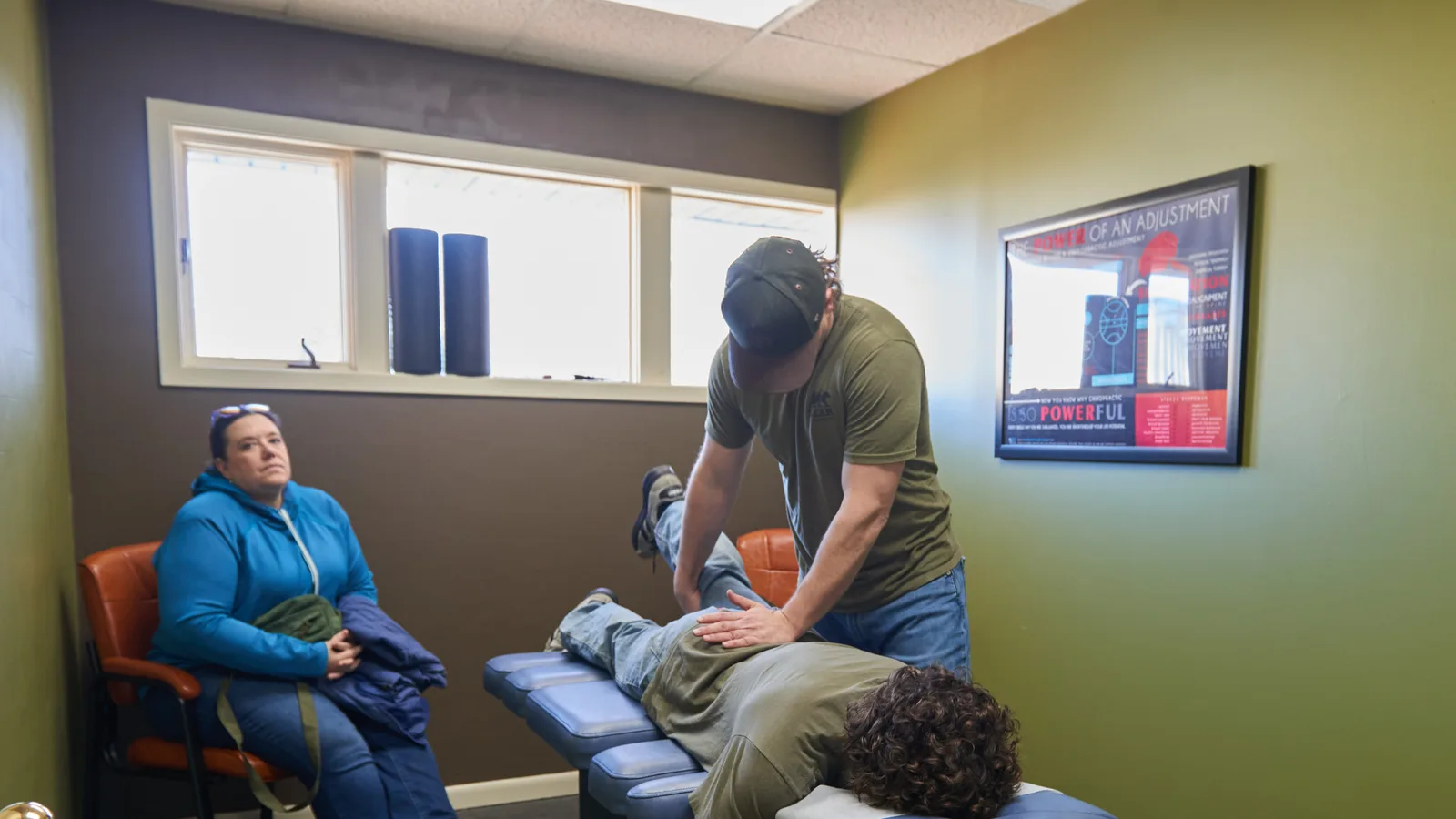
Dr. Aaron Zimmerman takes a thorough, individualized approach to care at Bear Chiropractic. During an initial evaluation, he assesses the patient's history, symptoms, range of motion, neurological signs, and overall health status. From there, he develops a care plan that may incorporate electrotherapy alongside spinal manipulation, myofascial release, posture correction, and home exercise guidance — all working together as a cohesive strategy.
It's also worth noting that electrotherapy can be appropriate at different stages of care. In the early, acute phase of an injury, it can help manage pain and inflammation. In the subacute or chronic phases, it may support tissue remodeling and functional recovery. This flexibility makes it a particularly useful tool across a wide range of patient presentations that walk through the doors of Bear Chiropractic in Grand Rapids, MI.
What to Expect During an Electrotherapy Session
If you've never experienced electrotherapy before, it's completely natural to feel a little uncertain about what it will be like. The good news is that most patients find it not just tolerable, but genuinely relaxing. Here's a general idea of what the experience looks like.
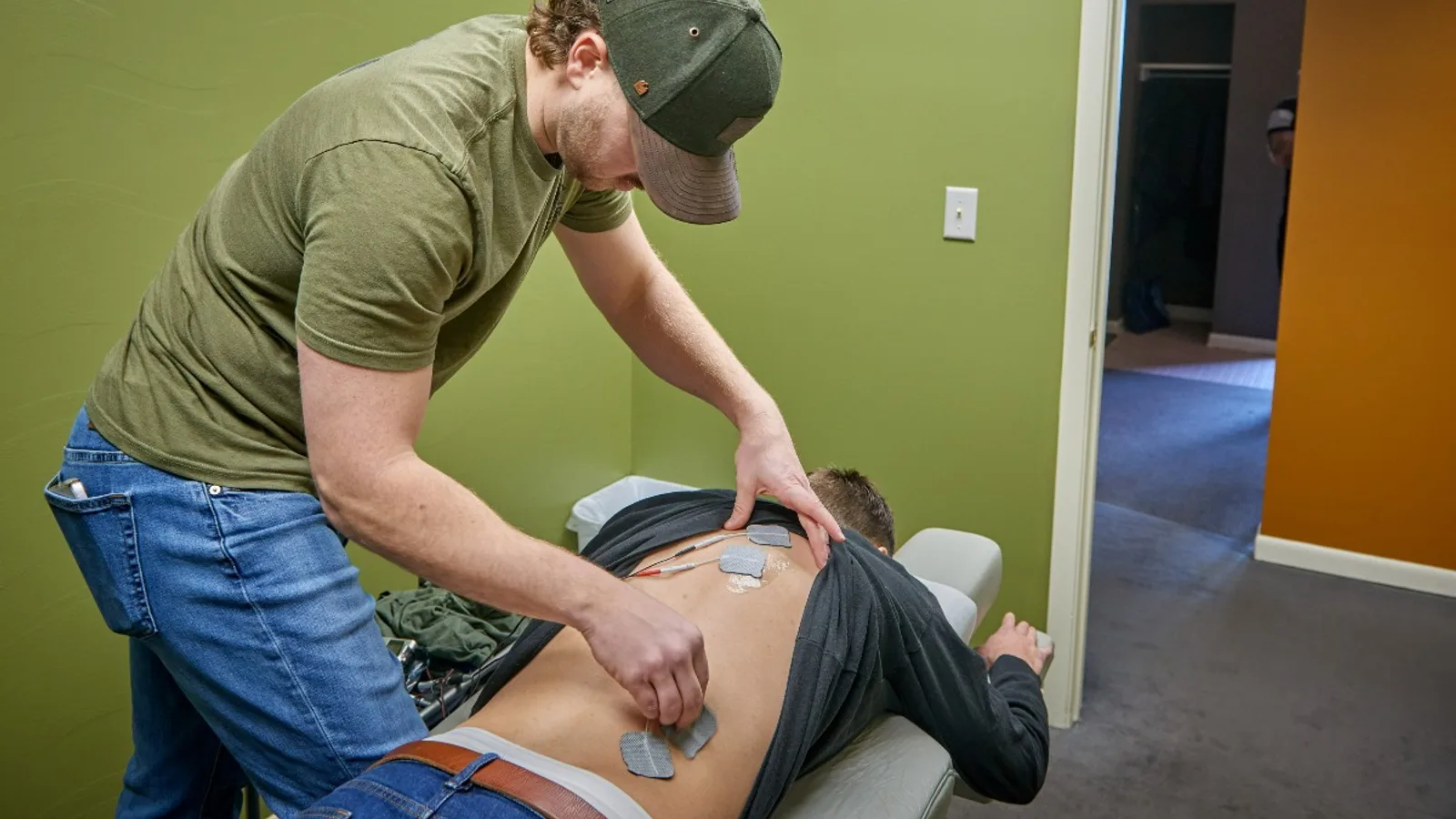
You'll typically be asked to expose the area being treated — whether that's your lower back, neck, shoulder, or leg. Small adhesive electrode pads are then placed on the skin in specific patterns based on the target area and the type of electrotherapy being used. The device is turned on gradually, and the current is increased slowly until you feel a gentle, buzzing or tingling sensation. The intensity should always be comfortable — it should never be sharp, burning, or painful. If it is, let the care team know immediately so it can be adjusted.
Sessions typically last between 10 and 20 minutes, depending on the area being treated and the clinical goal. Many patients find they feel noticeably more relaxed and comfortable in the treated area by the end of the session. Some feel immediate relief; others notice gradual improvement over several visits. Either response is normal and expected. The team at Bear Chiropractic will walk you through the process and check in with you throughout to make sure you're comfortable.
Practical Tips to Get the Most Out of Your Treatment
Electrotherapy works best when it's part of a consistent, coordinated approach to your health. Attending your scheduled appointments regularly gives the treatment enough time to produce cumulative benefits. Skipping sessions or stopping care prematurely is one of the most common reasons patients don't experience the full potential of their treatment plan.
Staying well-hydrated is also genuinely helpful. Electrical conductivity in body tissues is partly dependent on hydration, and patients who are chronically dehydrated may find that electrotherapy feels different or less effective. Drinking adequate water before and after your sessions is a small but meaningful step. Additionally, communicate openly with Dr. Aaron Zimmerman and the team at Bear Chiropractic about any changes in your symptoms between visits — that feedback helps refine and optimize your care plan over time.
Don't neglect the exercises or stretches recommended alongside your in-office care. Electrotherapy can reduce pain and relax tissues, but it works best when combined with active engagement in your own recovery. Movement is medicine, and even gentle daily mobility work can significantly enhance your outcomes when paired with therapeutic modalities like electrotherapy.
When to See a Chiropractor About Electrotherapy
If you've been dealing with persistent muscle pain, joint discomfort, or slow recovery from an injury, it may be a good time to explore whether electrotherapy could be a useful addition to your care. Chiropractic evaluation is a great starting point — Dr. Aaron Zimmerman can determine whether electrotherapy is appropriate for your specific situation and whether it fits into a broader conservative care plan.
You should consider scheduling an evaluation if your pain has lasted more than a few weeks, if over-the-counter remedies are no longer providing meaningful relief, or if pain is limiting your daily activities. Electrotherapy is generally most effective when addressed alongside the underlying biomechanical or structural issues contributing to your symptoms — which is exactly the kind of root-cause evaluation that chiropractic care is designed to provide.
However, there are situations where electrotherapy is not appropriate and where a referral or additional medical evaluation may be needed. Electrotherapy should not be used over areas with impaired sensation, over a pacemaker or implanted device, over the abdomen during pregnancy, or over open wounds or active infections. If you experience any unusual symptoms — such as increasing pain, weakness in the limbs, loss of bowel or bladder control, or severe headaches — those are red flags that warrant prompt medical attention rather than chiropractic care alone.
| Electrotherapy Type | Primary Target | Best Used For | Typical Sensation |
|---|---|---|---|
| TENS | Sensory nerve fibers | Acute and chronic pain relief | Tingling, buzzing |
| EMS | Muscle tissue | Muscle re-education, spasm relief | Rhythmic contractions |
| Interferential Current (IFC) | Deep soft tissue | Deep muscle pain, swelling, circulation | Gentle, deep tingling |
| Microcurrent | Cellular tissue | Tissue healing, soft tissue repair | Often imperceptible |
Myths vs. Facts About Electrotherapy
Myth: Electrotherapy is painful or dangerous.
Fact: When administered by a trained professional, electrotherapy is safe and well-tolerated. The currents used are extremely low-level and carefully controlled. Most patients describe the sensation as a mild tingling or buzzing — not painful. Safety protocols are always followed to ensure the right application for each patient.
Myth: Electrotherapy is just a temporary distraction from pain — it doesn't actually help healing.
Fact: While it's true that some forms of electrotherapy primarily work through pain gating mechanisms, other forms — particularly microcurrent and certain EMS applications — have been shown to influence tissue healing at deeper levels. The evidence supports electrotherapy as both a pain-management and a recovery-support tool, particularly when used as part of a comprehensive care plan.
Myth: You need a prescription or referral to try electrotherapy.
Fact: In most states, including Michigan, licensed chiropractors are qualified to administer electrotherapy as part of their scope of practice. Patients can often come directly to a chiropractor like Dr. Aaron Zimmerman at Bear Chiropractic in Grand Rapids without needing a referral to explore whether electrotherapy is appropriate for them.
Myth: Electrotherapy is a new, experimental treatment.
Fact: Electrical stimulation for therapeutic purposes has been used in medicine for well over a century, and modern electrotherapy devices have been developed and refined through decades of clinical use and research. TENS, in particular, has been studied extensively in the management of musculoskeletal pain and is considered a mainstream conservative care option by many professional health organizations.
Myth: Electrotherapy works the same for everyone.
Fact: Individual responses to electrotherapy can vary based on factors like the specific condition being treated, the duration and chronicity of symptoms, overall health, and hydration levels. This is precisely why a personalized evaluation — like the kind Dr. Aaron Zimmerman conducts at Bear Chiropractic — is so important before beginning any treatment plan.
Final Thoughts from Bear Chiropractic
Understanding the tools that go into your care helps you become a more confident, engaged participant in your own health journey. Electrotherapy isn't mysterious or intimidating once you know what it is, how it works, and why it might be recommended for you. It's a time-tested, research-supported modality that, when used thoughtfully and as part of a comprehensive plan, can make a real difference in how you feel and function day to day.
Here in Grand Rapids, the team at Bear Chiropractic is committed to offering personalized, evidence-informed care that treats the whole person — not just the symptom. Dr. Aaron Zimmerman and the rest of the Bear Chiropractic team take the time to listen, evaluate thoroughly, and build care plans that make sense for your unique situation. Whether electrotherapy ends up being part of your plan or not, you can trust that every recommendation is made with your well-being at the center.
If you've been curious about electrotherapy, or if you're dealing with pain or discomfort that hasn't fully resolved on its own, we warmly encourage you to reach out. Bear Chiropractic in Grand Rapids, MI is here to answer your questions and help you take the next step toward feeling your best.
Frequently Asked Questions
Is electrotherapy safe for everyone?
Electrotherapy is safe for most people when administered by a qualified provider. However, it is contraindicated in certain situations — such as over implanted electronic devices like pacemakers, over the abdomen during pregnancy, or over areas of skin irritation or infection. Dr. Aaron Zimmerman performs a thorough intake and evaluation to identify any contraindications before recommending electrotherapy.
How many sessions of electrotherapy will I need?
The number of sessions varies depending on the condition being treated, its severity, and how your body responds to care. Some patients notice improvement after just a few visits, while others benefit from a longer course of treatment as part of a broader rehabilitation plan. Your care plan at Bear Chiropractic will be tailored to your specific progress and goals.
Can I use a home TENS unit instead of coming into the office?
Home TENS units are widely available and can provide useful pain relief between professional visits. However, they are typically less powerful and less precise than clinical-grade devices, and they don't replace a proper evaluation or the more advanced modalities available in a chiropractic office. Using both together — under professional guidance — is often the most effective approach.
Will electrotherapy hurt?
No — electrotherapy should not be painful when applied correctly. Most patients feel a gentle tingling, buzzing, or mild pulsing sensation that many find quite pleasant or relaxing. If you ever feel sharp pain or significant discomfort during a session, you should let the care team know immediately so the settings can be adjusted.
Does electrotherapy work for nerve pain like sciatica?
Electrotherapy — particularly TENS — has been used in the management of nerve-related pain, including conditions like sciatica. Evidence suggests it can help reduce the perception of pain and provide meaningful relief in some patients. It is most effective when combined with chiropractic adjustments and other strategies that address the underlying cause of nerve irritation.
Is electrotherapy covered by insurance?
Coverage for electrotherapy can vary depending on your specific insurance plan and the clinical indication. We encourage you to contact your insurance provider directly and to speak with the team at Bear Chiropractic in Grand Rapids to learn more about your options for care.
TL;DR
- Electrotherapy uses low-level electrical currents to reduce pain, relax muscles, improve circulation, and support tissue healing — all without drugs or surgery.
- Common types include TENS, EMS, interferential current (IFC), and microcurrent — each with different targets and applications.
- It works best as part of a comprehensive chiropractic care plan, not as a standalone treatment.
- Most patients find electrotherapy comfortable and relaxing — it should not be painful when applied correctly.
- Dr. Aaron Zimmerman at Bear Chiropractic in Grand Rapids, MI provides personalized evaluations to determine whether electrotherapy is appropriate for your specific needs.

Dr. Aaron Zimmerman is from Yale, Michigan. He received his undergraduate degree from Saginaw Valley State University and earned his Doctorate of Chiropractic at Logan University in St Louis, MO. He is a part of the Michigan Association of Chiropractors. Dr. Aaron had the opportunity to work with a variety of cases in his time at the Logan Outpatient Clinics including but not limited to carpal tunnel, vertigo, sciatica, high ankle sprains and migraines. He has a diverse background in technique training, both manual and instrument-adjusting approaches: Diversified, Thompson, Cox-Flexion, Activator, Logan Basic Techniques, and extremities. Dr. Aaron has also received training in both pediatric care as well as athletic rehabilitation.