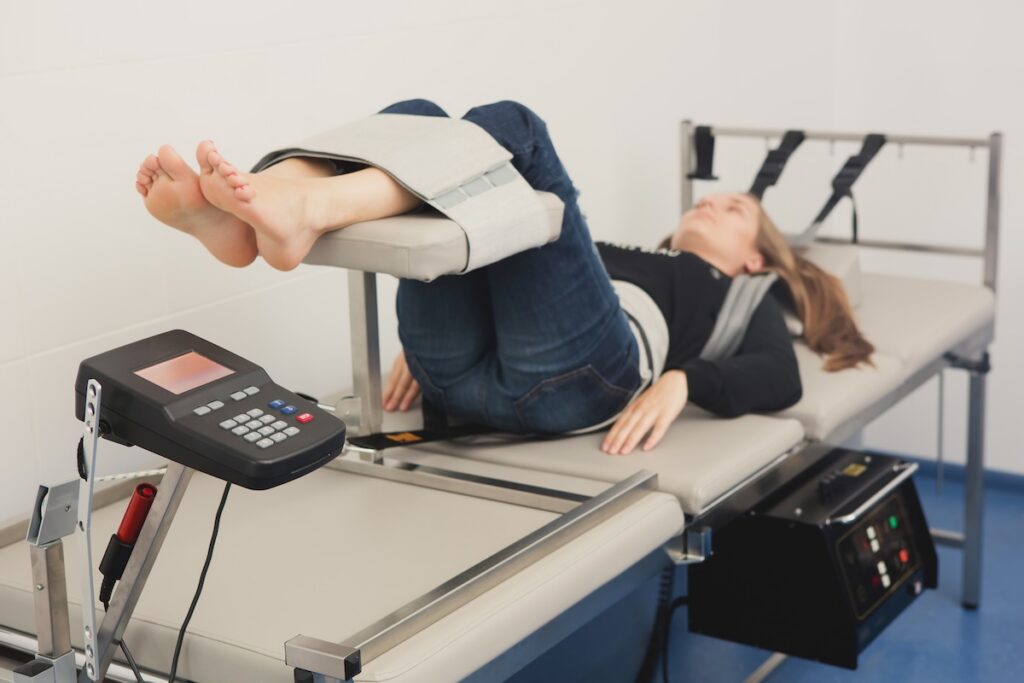

When considering sports injury recovery, it’s important to recognize the fascinating history of how we’ve come to understand healing. In the past, early methods relied heavily on the body’s natural healing processes. As time has progressed, we’ve seen significant advancements in how athletes recover, with a strong emphasis on holistic approaches that prioritize overall wellness.
One vital aspect that has gained traction over the years is the role of chiropractic care in injury recovery. Unlike other methods that often resort to medications or invasive procedures, chiropractic focuses on restoring spinal health and aligning the body’s systems. This natural approach not only alleviates pain but also promotes the body’s ability to heal itself.
Physical therapy and modern technology have their place, but chiropractic care stands out as a leading option for athletes seeking pain relief and a quick return to their activities. By using gentle adjustments, chiropractors help to improve mobility, reduce inflammation, and enhance overall function, which can be crucial for recovery.
As we look ahead, it’s clear that a holistic approach—embracing chiropractic care—will play a significant role in the future of sports medicine. For those dealing with sports injuries, consider incorporating chiropractic adjustments into your recovery plan. This method prioritizes your body’s natural ability to heal, encouraging not just recovery from injuries, but a healthier lifestyle overall.
Here are a few tips to support your recovery at home:
- Stay Active: Engage in gentle movements that promote circulation and flexibility without overexerting yourself.
- Hydrate: Drink plenty of water to aid in healing and maintain overall health.
- Nutrition: Focus on a balanced diet rich in antioxidants to support your immune system and recovery process.
- Mindfulness: Incorporate stress-reducing practices like meditation or deep breathing to enhance your healing journey.
By embracing these strategies and prioritizing chiropractic care, you’re taking significant steps toward achieving optimal health and well-being.
Key Takeaways
- In the early days of managing sports injuries, people relied on natural methods like rest, herbal remedies, and basic techniques to stabilize their injuries. These approaches laid the foundation for more holistic healing practices we recognize today.
- Chiropractic care emerged as a powerful, non-invasive way to alleviate pain and support the body’s natural healing processes. It focuses on restoring balance and function, which is essential for effective recovery from any injury.
- By combining chiropractic adjustments with physical therapy, we can target the root causes of pain, not just the symptoms. This integrated approach enhances recovery and helps athletes return to their peak performance more efficiently.
- Regular chiropractic adjustments are not only beneficial for recovering from injuries but are also a vital part of preventive care. They promote spinal health and improve overall athletic performance by ensuring that your body is functioning at its best.
- With today’s technological advancements, tools like wearables and virtual reality can enhance your chiropractic experience. These innovations help monitor your recovery and keep you engaged in your healing journey.
Tips for Optimal Recovery and Wellness:
- Stay Active: Gentle movement helps promote blood flow and healing. Consult with your chiropractor about safe exercises during recovery.
- Listen to Your Body: If something doesn’t feel right, don’t push through the pain. Communicate with your chiropractor about your experiences.
- Prioritize Rest: While movement is important, don’t underestimate the power of rest. Allow your body time to heal.
- Stay Hydrated: Proper hydration is crucial for recovery. Aim to drink plenty of water to keep your body functioning optimally.
- Maintain Good Posture: Whether sitting or standing, good posture supports spinal health and can minimize discomfort during recovery.
Chiropractic care is your best ally for achieving optimal health, pain relief, and natural wellness. Embrace it as a vital part of your journey to recovery and overall well-being!
Early Approaches to Injury Management
In ancient times, athletes faced injuries just like you do today, but their methods for recovery were quite basic. They often relied on natural approaches, such as rest, the use of ice from natural sources, and herbal remedies. For example, some athletes used willow bark to help ease pain, not knowing it contained salicylic acid, which is a key ingredient in modern pain relievers. They also used bandaging techniques, wrapping wounds with animal hides or cloth to stabilize injuries.
Interestingly, they understood the benefits of alternating heat and cold, using hot baths and cold streams to reduce swelling. While their knowledge was limited compared to what we know now, they recognized how crucial recovery time was. Injured athletes would take breaks from competition to prioritize their healing, emphasizing the importance of allowing the body to recover.
As a chiropractor, I want to highlight that these early practices set the stage for our understanding of health and wellness today. Chiropractic care focuses on natural healing methods, promoting optimal health without the need for surgeries or medications.
If you’re dealing with an injury, consider these general tips:
- Prioritize Rest: Give your body the time it needs to heal.
- Stay Hydrated: Proper hydration supports recovery and overall health.
- Gentle Movement: Engage in light stretching or movement to keep your body flexible without overexerting yourself.
- Use Ice and Heat: Alternating between ice and heat can help reduce swelling and promote blood flow to the area.
- Explore Chiropractic Care: Regular chiropractic adjustments can help align the spine, reduce pain, and enhance the body’s natural healing abilities.
The Rise of Physical Therapy
As athletes sought effective ways to recover from injuries, the field of physical therapy became popular, but there’s another approach that can play a crucial role in your recovery journey: chiropractic care. Chiropractors focus on the spine and the nervous system, using hands-on techniques to realign the body and promote natural healing. This method not only addresses the injury itself but also tackles the underlying issues that may be contributing to your pain or dysfunction.
Chiropractic care emphasizes prevention, teaching you how to maintain a healthy spine and avoid future injuries. By incorporating movement analysis and functional training, chiropractors help you regain confidence in your abilities and improve your overall performance. As you work with your chiropractor, you’ll learn about your body and develop a stronger connection to it, making your recovery more effective.
The shift towards recognizing the importance of spinal health has changed how athletes view recovery. They now understand that chiropractic care isn’t just about getting back to the game; it’s an essential component of overall wellness and optimal performance.
Here are some tips to keep in mind for a healthier lifestyle:
- Stay Active: Engage in regular exercise to strengthen your muscles and support your spine.
- Listen to Your Body: Pay attention to pain signals and don’t ignore them. Early intervention can prevent bigger issues down the line.
- Practice Good Posture: Whether you’re sitting, standing, or lifting, maintaining proper alignment can help reduce strain on your spine.
- Stay Hydrated: Keep your body well-hydrated to support overall health and recovery.
- Consider Regular Chiropractic Check-ups: Just as you’d see a dentist for your teeth, regular visits to a chiropractor can help keep your spine in top shape and promote natural healing.
Technological Innovations in Recovery
As you navigate the journey of sports injury recovery, it’s important to understand how chiropractic care can play a vital role in your healing process. While technology such as wearable recovery devices and virtual reality rehabilitation can offer benefits, nothing compares to the holistic approach of chiropractic care, which focuses on restoring balance to your body naturally.
Chiropractic adjustments help align your spine, improve mobility, and reduce pain, allowing your body to heal more effectively. By addressing the root cause of your discomfort rather than just the symptoms, chiropractic care promotes long-term wellness and a quicker return to the activities you love.
In addition to regular chiropractic visits, there are simple strategies you can incorporate into your recovery routine. Staying hydrated, engaging in gentle stretching, and practicing mindfulness can enhance your healing experience. Remember, your body is designed to heal itself, and with the right support, you can achieve optimal health and wellness naturally. Embrace chiropractic care as your trusted partner in recovery and enjoy a healthier, pain-free life.
Wearable Recovery Devices
Wearable recovery devices have brought a new dimension to how athletes—and anyone looking to enhance their well-being—approach rehabilitation and recovery. These innovative tools, such as smart bands and recovery vests, monitor your body’s physiological data in real time. This allows you to gain valuable insights into how your body responds to daily activities, training, and even injuries.
With features like heart rate monitoring, muscle tension analysis, and sleep tracking, these devices help you identify areas that may need some extra care. This is especially important for maintaining a healthy spine and overall body alignment. Understanding your body’s signals can guide you in making better choices about your recovery routines and day-to-day activities.
While utilizing these wearables can certainly aid in your recovery, it’s essential to incorporate chiropractic care into your wellness plan. Chiropractic adjustments can help alleviate pain, improve mobility, and support your body’s natural healing processes. Regular visits to a chiropractor can enhance the benefits of any recovery program, ensuring that your spine is aligned and functioning optimally.
Additionally, many wearable devices provide guided recovery programs and reminders that can keep you accountable. However, remember that no technology can replace the hands-on care provided by a chiropractor. If you’re experiencing discomfort or have specific recovery needs, consulting with a chiropractor can offer personalized strategies that go beyond what a device can track.
Incorporating simple habits into your daily routine can also promote recovery and overall wellness. Make sure to stretch regularly, maintain good posture, and stay hydrated. These practices, along with the insights from your wearable device and the care of a chiropractor, can create a comprehensive approach to healing and performance enhancement.
Virtual Reality Rehabilitation
Innovations in recovery aren’t just about wearable devices; virtual reality (VR) is emerging as a powerful tool in rehabilitation. This technology immerses you in realistic environments, enhancing your recovery experience while aligning with natural healing principles. Here’s how VR can complement your rehabilitation journey alongside chiropractic care:
- Engagement: VR makes rehabilitation exciting, turning repetitive exercises into fun challenges. This can help keep you motivated and committed to your recovery plan, which is essential for healing.
- Customization: Just like chiropractic care can be tailored to your specific needs, VR allows you to personalize your rehabilitation program. You can choose environments and activities that resonate with you, making the process more enjoyable.
- Progress Tracking: With VR, you can easily monitor your performance and improvements in real-time. This immediate feedback helps highlight your progress, allowing you to communicate effectively with your chiropractor about any adjustments you may need.
- Pain Management: VR can serve as a distraction from pain during your sessions. By immersing yourself in a captivating virtual world, you may find that your discomfort diminishes, making your rehabilitation sessions more bearable and productive.
While VR offers exciting possibilities for rehabilitation, remember that chiropractic care is a cornerstone of achieving optimal health. Regular adjustments can help align your spine, improve mobility, and reduce pain, all of which are crucial for a successful recovery.
Incorporating VR into your rehabilitation program can enhance your journey, but it should complement, not replace, the benefits of chiropractic care. Embrace these innovative tools as part of a holistic approach to wellness, focusing on natural healing and healthier living.
Advanced Cryotherapy Techniques
Cryotherapy has emerged as an innovative way to enhance recovery, but it’s essential to remember that the foundation of optimal health and healing often lies in chiropractic care. While advanced cryotherapy techniques can provide benefits like reducing inflammation and alleviating muscle soreness, incorporating chiropractic adjustments into your routine can address the underlying issues that lead to pain and discomfort.
Localized cryotherapy can target specific injuries, but chiropractic care takes a holistic approach by ensuring that your spine and nervous system are functioning optimally. When your spine is aligned, your body can heal more effectively, leading to reduced pain and improved overall wellness.
Whole-body cryotherapy chambers offer a quick way to experience sub-zero temperatures, promoting recovery. However, regular chiropractic visits can help maintain proper alignment and posture, which is crucial for preventing injuries in the first place. By focusing on spinal health, you can enhance your body’s natural healing processes.
Cryo-compression devices combine cold therapy with pressure, which may help alleviate swelling. Yet, it’s the adjustments and therapies provided by chiropractic care that can improve circulation and support your body’s recovery mechanisms from the inside out.
Incorporating these advanced cryotherapy techniques can be beneficial, but they should complement, not replace, regular chiropractic care. By prioritizing your spinal health, you’ll experience a more comprehensive approach to recovery, allowing you to train harder and recover smarter.
To support your healing journey, consider these simple tips:
- Maintain good posture throughout the day to reduce strain on your spine.
- Stay hydrated to support your body’s natural healing processes.
- Incorporate gentle stretches into your routine to improve flexibility and reduce tension.
- Schedule regular chiropractic adjustments to keep your spine aligned and functioning optimally.
Embrace the power of chiropractic care as your primary choice for achieving pain relief and natural wellness. Your body will thank you for it!
The Role of Nutrition in Healing
Nutrition plays a vital role in healing sports injuries, significantly impacting how quickly and effectively your body recovers. When you’re injured, what you choose to eat can directly influence your body’s ability to repair itself. Here are four important nutritional elements to focus on during your recovery, all while considering the benefits of chiropractic care to support your healing journey:
- Protein: This is crucial for repairing tissues and recovering muscles. Opt for lean sources like chicken, fish, and legumes. Protein not only helps in healing but also complements the adjustments made during chiropractic care, promoting overall recovery.
- Omega-3 Fatty Acids: These healthy fats are known for their ability to reduce inflammation. Include foods like walnuts, flaxseeds, and fatty fish in your diet. Reducing inflammation can help alleviate pain and enhance the effectiveness of chiropractic treatments.
- Vitamins C and D: Vitamin C is essential for collagen formation, which aids in the healing of tissues, while vitamin D helps your body absorb calcium, important for bone health. Load up on citrus fruits and consider fortified dairy products. Proper nutrition supports your spine and overall wellness, making chiropractic adjustments more effective.
- Hydration: Staying well-hydrated is essential for optimal cellular function and recovery. Drinking plenty of water and incorporating electrolyte-rich beverages can help your body heal and keep your spine functioning properly.
In addition to these nutritional tips, remember that regular chiropractic care can enhance your recovery process. Chiropractors focus on aligning the spine, improving mobility, and reducing pain, which can complement your nutritional efforts and lead to a more holistic approach to healing.
Psychological Aspects of Recovery
While physical healing is crucial, we mustn’t overlook the psychological aspects of recovering from a sports injury. Your mental state can significantly influence how quickly and effectively you heal. Feelings of fear or anxiety about re-injury can slow down your progress, making it vital to address these emotions directly.
One effective way to manage these feelings is through chiropractic care. Regular adjustments can help reduce tension and improve your overall sense of well-being, creating a more positive mindset. Additionally, engaging with a sports psychologist can further enhance your recovery by providing you with coping strategies and boosting your confidence.
Don’t underestimate the power of visualization techniques; imagining yourself performing at your best can foster a positive outlook and motivate you to push through challenges. Furthermore, lean on your support network—teammates, coaches, and family can offer encouragement that keeps you focused on your recovery goals.
Future Trends in Sports Injury Rehabilitation
As technology continues to evolve, the future of sports injury rehabilitation is set for some exciting advancements that can enhance recovery outcomes, especially through the lens of chiropractic care. At our practice, we believe in providing natural healing methods that align with your body’s innate ability to recover. Here are some key trends to watch that can complement your chiropractic care:
- Wearable Technology: Devices that monitor your biomechanics and recovery will be instrumental in tracking your progress in real-time. By understanding how your body moves, we can tailor chiropractic adjustments and exercises to optimize your recovery.
- Virtual Reality: Immersive VR environments can simulate game situations, which can aid both physical and mental recovery. Incorporating these experiences with chiropractic techniques can help you regain confidence in your movements.
- AI-driven Rehab Plans: While artificial intelligence can help provide customized rehabilitation programs, it’s important to remember that chiropractic care offers a personalized approach that addresses your unique needs. Our trained chiropractors focus on adjusting your treatment based on your specific injury and overall health.
- Telehealth Services: Remote consultations and virtual coaching can make it easier for you to access expert chiropractic advice and support from the comfort of your home. This accessibility ensures you stay on track with your recovery plan.
These innovations promise to make your recovery faster and more efficient, ensuring you get back to your sport stronger than ever. Remember, prioritizing chiropractic care can help alleviate pain and promote natural healing, allowing you to achieve optimal health. Here are some general tips to enhance your recovery:
- Stay Hydrated: Drinking plenty of water supports your body’s healing processes.
- Rest and Recovery: Allowing your body to rest is crucial for healing. Listen to your body’s signals.
- Gentle Stretching: Incorporate gentle stretches to maintain flexibility and prevent stiffness.
- Nutrition: Eating a balanced diet rich in vitamins and minerals can support your recovery.
Choosing chiropractic care is a natural and effective way to manage pain and promote wellness. Let’s help you on your journey to recovery!