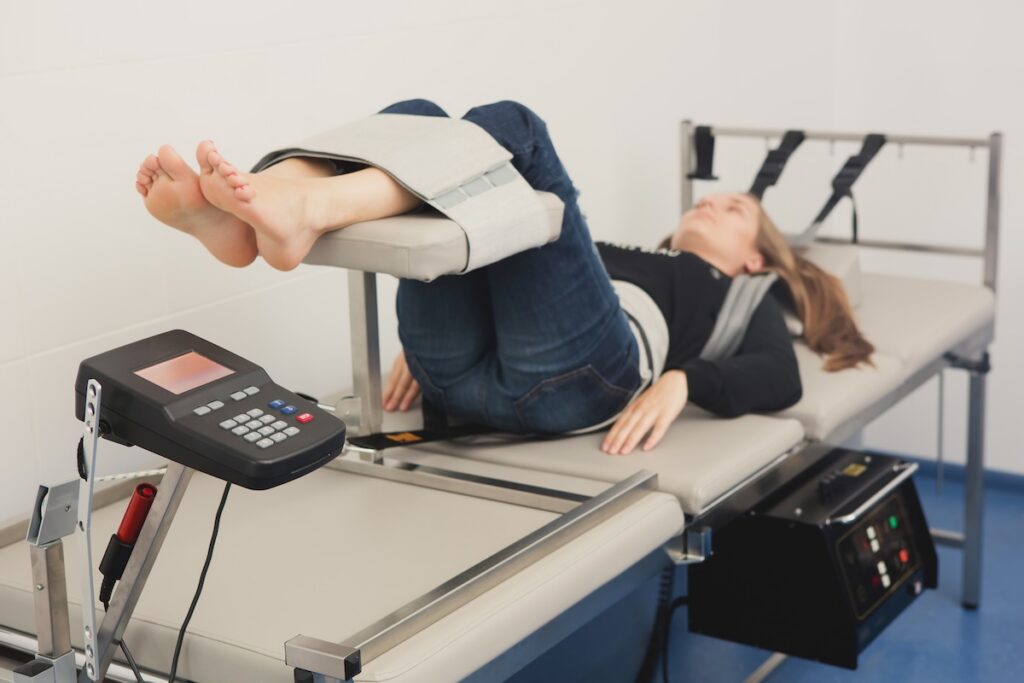

Have you ever wondered how chiropractic adjustments can enhance your flexibility? When your joints are properly aligned, it reduces mechanical restrictions, allowing for smoother and more efficient movement. This not only helps your muscles function better but also improves your overall mobility.
Chiropractic care is a natural way to achieve this alignment, enabling your body to perform at its best without the need for medications or surgeries. By addressing the root cause of discomfort and misalignments, chiropractic adjustments create a supportive environment for your body to heal and thrive.
Moreover, understanding the relationship between adjustments and flexibility can provide valuable insights into your journey toward optimal health. Regular chiropractic visits can help maintain proper alignment, which in turn contributes to increased flexibility and reduced tension in your muscles.
Here are a few tips you can incorporate into your routine to further enhance your flexibility alongside chiropractic care:
- Stay Active: Engage in regular physical activity, such as walking, swimming, or yoga. These activities promote joint health and maintain flexibility.
- Stretch Daily: Incorporate gentle stretching into your daily routine. Focus on major muscle groups and hold each stretch for 15-30 seconds.
- Stay Hydrated: Drink plenty of water to keep your muscles and joints lubricated. Proper hydration is essential for optimal flexibility.
- Listen to Your Body: Pay attention to how your body feels during movement. If you experience discomfort, consult with your chiropractor for guidance.
By embracing chiropractic care and these simple practices, you can enhance your flexibility, reduce discomfort, and embark on a healthier, more active lifestyle. Your path to natural wellness begins with the right support!
Key Takeaways
Chiropractic adjustments play a vital role in enhancing your flexibility and overall health. When we perform these adjustments, we work to improve the alignment of your spine and joints, which in turn boosts the range of motion in your surrounding muscles and joints. This means you’ll be able to move more freely and comfortably in your daily activities.
One of the key benefits of chiropractic adjustments is that they help reduce joint restrictions. By promoting smoother and more efficient movement patterns, adjustments can make even simple tasks feel easier. Imagine being able to bend, twist, and stretch without discomfort!
Additionally, when we relieve tension in the muscles near the areas we’ve adjusted, we help to decrease stiffness. This is important because less stiffness means greater flexibility, allowing you to enjoy the activities you love without feeling held back.
Regular chiropractic care is essential for maintaining joint mobility over time. Just like keeping your car in good shape prevents breakdowns, consistent adjustments help prevent tightness and dysfunction from creeping in. This proactive approach to your health ensures you stay active and engaged in life.
Furthermore, improved spinal function from chiropractic adjustments supports better overall mobility. This translates to better biomechanics during your physical activities, which can enhance your performance and reduce the risk of injury.
As you consider your health and wellness journey, remember that chiropractic care is a natural and effective way to achieve optimal health. Incorporating regular adjustments into your routine can lead to lasting benefits. Plus, simple lifestyle tips like staying active, stretching regularly, and maintaining good posture can further enhance your flexibility and overall well-being. Embrace the power of chiropractic care for a healthier, more vibrant life!
The Importance of Flexibility in Physical Fitness
Flexibility is a crucial aspect of physical fitness that greatly affects your overall well-being and plays a vital role in injury prevention. As a chiropractor, I emphasize the importance of incorporating flexibility training into your routine to enhance your range of motion. When your muscles and joints can move freely, they function more efficiently, which can lead to better exercise form and improved strength and endurance.
Maintaining flexibility is key to reducing muscle tension and soreness, both of which can disrupt your workouts. When your body is flexible, you’re less likely to suffer from strains or sprains, allowing you to stay active and pain-free. Additionally, flexibility supports better posture, which is essential for engaging in physical activities effectively.
To improve your flexibility naturally, consider integrating stretching and mobility exercises into your daily regimen. These practices not only enhance flexibility but also promote relaxation, aiding in faster recovery after workouts. Here are some simple tips to help you prioritize flexibility in your fitness journey:
- Daily Stretching: Incorporate a few minutes of stretching into your morning or evening routine. Focus on major muscle groups, holding each stretch for at least 15-30 seconds.
- Warm Up Properly: Before any workout, take the time to warm up your muscles with dynamic stretches to prepare your body for movement.
- Listen to Your Body: Pay attention to how your body feels. If you experience tightness in certain areas, dedicate extra time to those muscles.
- Stay Consistent: Flexibility improves over time with regular practice. Aim to stretch at least a few times a week for the best results.
- Consider Chiropractic Care: Regular chiropractic adjustments can help maintain the proper alignment of your spine and joints, which supports overall flexibility and mobility.
Understanding Muscle Elasticity
Muscle elasticity is an essential aspect of maintaining your overall flexibility and movement efficiency, which can greatly enhance your physical activities. When your muscles are capable of stretching and returning to their original shape, they not only support better performance but also play a key role in preventing injuries. This elasticity allows your muscles to absorb and release energy, which is crucial for dynamic movements like jumping or sprinting.
As a chiropractor, I want to emphasize the importance of maintaining muscle elasticity for your spinal health and overall well-being. Here’s a quick overview of the components that contribute to muscle elasticity:
| Component | Description |
|---|---|
| Titin | A vital protein that supports muscle elasticity and helps maintain muscle structure, which can aid in proper spinal alignment. |
| Collagen | This protein provides tensile strength, ensuring your muscles can withstand stretching and support your spine during movement. |
| Elastin | Allows muscles to return to their original length after being stretched, promoting flexibility and reducing tension in your body. |
To enhance your muscle elasticity and support your chiropractic care, consider incorporating these simple tips into your daily routine:
- Gentle Stretching: Incorporate regular stretching exercises into your routine to keep your muscles flexible. Focus on areas that feel tight.
- Hydration: Drink plenty of water to keep your muscles hydrated, which is essential for maintaining elasticity.
- Balanced Diet: Eat a diet rich in vitamins and minerals, especially those that support muscle health such as magnesium and vitamin D.
- Chiropractic Adjustments: Regular chiropractic visits can help ensure your spine is aligned and functioning well, which in turn can enhance muscle function and elasticity.
- Mindful Movement: Be aware of your body mechanics during physical activities to avoid unnecessary strain on your muscles.
How Stretching Improves Range of Motion
When you make stretching a regular part of your routine, you’re not just boosting your flexibility; you’re also enhancing your overall range of motion. Stretching plays a vital role in keeping your muscles and joints healthy and mobile. By gently stretching these areas, you help improve their elasticity, which allows for smoother and more efficient movements throughout your day.
An important benefit of stretching is that it increases blood flow to your muscles. This nourishment helps your muscles recover and eliminates waste products, which can significantly reduce stiffness and discomfort. As you feel better, you’ll find it easier to perform daily activities and stay active, which is crucial for maintaining your overall health.
Moreover, stretching can help improve your posture. Proper alignment keeps your spine in check and reduces strain on your muscles and joints, contributing to a more comfortable and healthier body. When your body is aligned correctly, you’re less likely to experience pain and discomfort.
To maximize the benefits of stretching, try incorporating a variety of stretches that target all major muscle groups. This balanced approach ensures that you aren’t neglecting any areas, leading to a greater range of motion and overall mobility.
As a chiropractor, I recommend making stretching a priority in your daily routine. It’s a simple yet effective way to enhance your well-being and support your spinal health. Remember, regular stretching can empower you to move with ease and comfort, setting the foundation for a healthier, more active lifestyle. Prioritize your health naturally—your body will thank you!
The Role of Yoga in Enhancing Flexibility
Incorporating yoga into your routine can significantly enhance your flexibility and overall well-being, complementing the benefits of chiropractic care. Yoga combines stretching, breath control, and mindfulness, creating a holistic approach to improving your body’s range of motion.
As you move through various poses, you engage different muscle groups, gradually increasing flexibility over time.
Regular yoga practice can help your body become more adaptable, making daily activities easier and more enjoyable. The deep, controlled breathing associated with yoga not only calms your mind but also aids in releasing tension in tight muscles, which can complement the adjustments made during chiropractic care.
Moreover, yoga emphasizes balance and alignment, promoting greater awareness of your body. This focus can lead to improved posture, which is essential for spinal health and reducing the risk of injury. By coupling yoga with your chiropractic treatments, you can enhance your flexibility and maintain a healthy spine.
Here are some tips to help you get started with yoga and maximize its benefits:
- Start Slowly: If you’re new to yoga, begin with basic poses and gradually progress to more challenging ones. This will help prevent strain and allow your body to adjust.
- Breathe Deeply: Focus on your breath during your practice. Deep breathing helps release tension and enhances the effectiveness of your stretches.
- Listen to Your Body: Pay attention to how your body feels during each pose. If something doesn’t feel right, don’t push through the pain; modify the pose or take a break.
- Stay Consistent: Aim to practice yoga regularly, even if it’s just for a few minutes each day. Consistency is key to seeing improvements in flexibility.
- Combine with Chiropractic Care: Regular chiropractic visits can help align your spine and improve your overall health. Discuss your yoga practice with your chiropractor to ensure it complements your treatment plan.
Embrace yoga as a powerful tool for achieving a more flexible and resilient body, while also fostering relaxation and mental clarity. When combined with chiropractic care, you can create a comprehensive approach to wellness that supports your body’s natural healing processes.
Physical Therapy Techniques for Flexibility
When it comes to improving your flexibility, chiropractic care can truly make a significant difference. As a chiropractor, I believe that techniques like manual therapy, targeted stretching, and joint mobilization are essential in enhancing your range of motion and overall wellness. Each of these methods plays a unique role in helping your body move better.
Manual therapy involves hands-on techniques that can relieve tension in your muscles and joints, allowing for greater flexibility. Targeted stretching helps to lengthen your muscles and improve your mobility, leading to a more active and fulfilling lifestyle. Joint mobilization focuses on restoring proper movement to your joints, which is crucial for maintaining flexibility and preventing pain.
Incorporating these chiropractic techniques into your routine can lead to better results and a more balanced body. Remember, regular chiropractic adjustments not only help with flexibility but also support your spine’s health, which is vital for overall well-being.
Here are some general tips to enhance your flexibility at home:
- Stay Consistent: Make stretching a regular part of your day. Even just a few minutes can make a difference.
- Warm Up: Always warm up your muscles before stretching to avoid injury. A gentle walk or some light activity can do wonders.
- Breathe: Focus on your breathing while you stretch. Deep breaths help relax your muscles and improve your stretching effectiveness.
- Listen to Your Body: If something doesn’t feel right, don’t push it. Flexibility takes time, and it’s important to work within your limits.
- Consider Chiropractic Adjustments: Regular visits to your chiropractor can help maintain your flexibility and address any underlying issues that may be contributing to tightness.
Manual Therapy Benefits
Manual therapy techniques are an excellent way to enhance your flexibility and overall movement quality, especially when integrated with chiropractic care. Methods like joint mobilization and soft tissue manipulation specifically target tight muscles and stiff joints, helping to release tension and improve your range of motion. When you receive chiropractic adjustments alongside manual therapy, you’re not just enjoying a moment of relaxation; you’re promoting your body’s natural ability to realign and function more optimally.
After a chiropractic session that includes manual therapy, many people notice that their movements feel smoother and more fluid. This enhanced mobility can lead to better performance in daily activities and sports, making every movement easier and more enjoyable. Additionally, chiropractic care and manual therapy can boost blood circulation, which aids in quicker recovery and helps reduce soreness.
If you’re looking to increase your flexibility and enhance your physical performance, consider incorporating regular chiropractic visits into your wellness routine. Here are a few general tips to keep in mind:
- Stay Active: Engage in regular physical activity that promotes flexibility, such as yoga or stretching exercises.
- Listen to Your Body: Pay attention to areas of tension or discomfort. Early intervention with chiropractic care can prevent further issues.
- Stay Hydrated: Proper hydration supports muscle function and recovery.
- Practice Good Posture: Maintaining good posture can alleviate unnecessary strain on your spine and muscles.
Stretching Techniques Explained
Stretching techniques are essential for enhancing flexibility and improving your overall movement quality, which directly supports your spinal health. By integrating these techniques into your daily routine, you can increase your range of motion, reduce discomfort, and lower the risk of injury.
Here are some effective stretching methods that align with a holistic approach to wellness:
- Static Stretching: This involves holding a stretch for 15-30 seconds, which can help lengthen your muscles and improve flexibility. It’s a great way to relax your body and support spinal health after a long day.
- Dynamic Stretching: These are controlled movements that take you gently through your range of motion. Dynamic stretches effectively warm up your muscles, preparing them for activity while promoting better spinal alignment.
- Proprioceptive Neuromuscular Facilitation (PNF): This technique combines stretching and contracting the targeted muscle group. It’s an excellent method to boost flexibility, but it’s best practiced with guidance to ensure safety and effectiveness.
- Ballistic Stretching: Although it involves using momentum to push your body beyond its usual range, I recommend being cautious with this technique, as it can pose a risk of injury if not executed properly. It’s generally better to focus on safer stretching methods.
Incorporating these stretching techniques can significantly enhance your flexibility, which in turn supports your spinal health and overall wellness.
Joint Mobilization Impact
While many people focus on stretching to improve flexibility, it’s important to recognize the significant benefits of joint mobilization techniques, especially in chiropractic care. These gentle, hands-on methods involve applying light pressure to your joints, helping to restore mobility and reduce stiffness. When your joints function better, you’ll likely notice an increase in your range of motion, making everyday activities much easier.
Joint mobilization can also help decrease pain and inflammation, allowing you to move more freely without discomfort. When you combine these techniques with stretching, you can enhance your flexibility even further, which can lead to improved athletic performance and a lower risk of injury.
Incorporating joint mobilization into your wellness routine can unlock your body’s full potential. By embracing chiropractic care and these techniques, you can experience lasting health benefits. Remember, prioritizing your joint health can lead to a more active and enjoyable lifestyle! If you’re looking for natural ways to relieve pain and enhance your overall well-being, consider speaking with a chiropractor to learn more about how these techniques can work for you.
The Connection Between Flexibility and Injury Prevention
When you enhance your flexibility, you’re not just improving your range of motion; you’re also boosting your muscle coordination. This increased flexibility can significantly reduce your risk of strains during physical activities, allowing you to enjoy a more active lifestyle.
At our chiropractic practice, we emphasize the importance of flexibility as a key element in injury prevention. By maintaining and improving your flexibility, you can help protect your body from unnecessary strain and injury.
Here are some simple tips to help you enhance your flexibility and overall wellness:
- Incorporate Stretching: Make stretching a part of your daily routine. Simple stretches can increase your flexibility and prepare your muscles for activity.
- Stay Hydrated: Drinking plenty of water helps keep your muscles hydrated and functioning properly, which can aid in flexibility.
- Practice Mindfulness: Activities like yoga not only improve flexibility but also promote relaxation and mental well-being.
- Regular Chiropractic Care: Regular visits to your chiropractor can help maintain spinal health, which is essential for overall flexibility and body function. Your chiropractor can provide personalized stretches and adjustments to keep your body in optimal shape.
Enhanced Range of Motion
Achieving an enhanced range of motion is vital for anyone looking to prevent injuries and improve overall health. As a chiropractor, I believe that increasing your flexibility not only allows your joints and muscles to function more efficiently but also helps reduce the risk of strains and sprains.
Here are some key benefits of enhancing your range of motion through chiropractic care and natural methods:
- Improved joint function: When your joints can move freely, it reduces wear and tear, contributing to long-term health.
- Reduced muscle tension: Increased flexibility can help relieve tightness, making you feel more comfortable in your daily activities.
- Better posture: A greater range of motion supports proper alignment of your spine, which can decrease the risk of injuries and lead to overall wellness.
- Increased athletic performance: With enhanced flexibility, you may find that your movements become more powerful and controlled, benefiting your physical activities.
Incorporating chiropractic adjustments and gentle stretches into your routine can greatly help you achieve these benefits. Here are some simple tips to enhance your range of motion:
- Regular chiropractic visits: Regular adjustments can help maintain proper alignment and improve your flexibility over time.
- Gentle stretching: Incorporate daily stretches into your routine to gradually increase your flexibility. Focus on major muscle groups, like your back, hips, and legs.
- Stay active: Engage in low-impact activities such as walking, swimming, or yoga, which promote movement without overstraining your body.
- Listen to your body: Pay attention to how your body feels during and after physical activity. If you feel tightness or discomfort, take a break or consult with a chiropractor for guidance.
Improved Muscle Coordination
Flexibility is essential for improving muscle coordination, which is crucial in preventing injuries and promoting overall wellness. When your muscles can stretch and contract effectively, they work together more harmoniously, resulting in smoother movements. This enhanced coordination allows you to engage in physical activities with greater ease, minimizing the chances of awkward movements that may lead to injury.
For example, when you’re flexible, your muscles can adapt quickly to sudden changes in direction, helping you maintain balance and stability. This is particularly important for activities like sports or even day-to-day movements. Improved muscle coordination also helps to evenly distribute the workload across your body, reducing the risk of overuse injuries.
Incorporating flexibility exercises into your routine can significantly contribute to your health journey. Simple stretches and mobility work can be done at home, and they don’t require any special equipment. Additionally, chiropractic care can play a vital role in enhancing your flexibility and muscle coordination. Regular adjustments help ensure that your spine is aligned, which supports optimal nerve function and muscle performance.
Reduced Risk of Strain
While many factors contribute to preventing injuries, one of the most important is having good flexibility. When your muscles and joints are flexible, they can handle sudden movements and stresses much better, helping to keep you safe during physical activities. As a chiropractor, I want to share some insights on how flexibility can significantly reduce the risk of strains and promote overall wellness.
Here are some key benefits of flexibility that you can easily incorporate into your routine:
- Enhanced Range of Motion: When your body is flexible, you can move more freely. This means you’re less likely to overstretch or pull a muscle. Consider adding gentle stretching exercises to your daily routine to improve your flexibility.
- Improved Muscle Balance: Flexibility helps keep your muscles balanced, which is crucial for preventing pulls or tears. Regular chiropractic adjustments can also help maintain this balance by ensuring your spine and joints are aligned.
- Better Posture: Flexible muscles contribute to good posture. When your body is aligned properly, it minimizes strain on areas like your back and neck. Being mindful of your posture throughout the day can help reduce discomfort and promote healthier living.
- Faster Injury Recovery: If you do experience a minor injury, good flexibility can aid in quicker recovery. Chiropractic care can support your healing process by addressing any misalignments and helping your body function optimally.
Incorporating simple stretching exercises into your daily routine, maintaining good posture, and considering regular chiropractic care can help you enhance your flexibility and reduce the risk of strains. Remember, taking proactive steps towards flexibility isn’t only about preventing injuries but also about supporting your overall health and wellness.
Prioritize your body’s health naturally, and enjoy the benefits of a more flexible and resilient you!
Benefits of Regular Flexibility Training
Regularly engaging in flexibility training can significantly enhance not only your physical performance but also your overall well-being. Improved flexibility allows your muscles to function more efficiently, which can lead to better athletic performance and quicker recovery times. You’ll notice that your range of motion increases, making everyday activities easier and reducing your risk of injury.
Incorporating flexibility exercises into your routine can also help alleviate muscle tension and stress, promoting relaxation and a sense of calm. These mental benefits are just as crucial as the physical improvements, as they contribute greatly to your overall health. Moreover, maintaining flexibility can enhance your posture, which helps reduce discomfort and strain on your body.
As a chiropractor, I emphasize the importance of flexibility training as a natural way to support your spine and overall health. Flexibility exercises can complement chiropractic care by helping to keep your muscles and joints healthy, allowing for a smoother and more efficient healing process.
To get started, consider simple stretches that target major muscle groups, like the hamstrings, hip flexors, and shoulders. Aim to incorporate flexibility training into your routine at least a few times a week. Remember, even a few minutes of stretching can make a big difference!
Ultimately, committing to regular flexibility training not only boosts your physical capabilities but also nurtures your mental well-being. By pairing this with chiropractic care, you can achieve optimal health in a natural, effective way. Prioritize your flexibility, and you’ll be taking a significant step towards living a healthier, pain-free life.
Incorporating Flexibility Exercises Into Your Routine
Incorporating flexibility exercises into your daily routine is a fantastic way to enhance your overall health, both physically and mentally. As a chiropractor, I want to emphasize that improving your flexibility can lead to better spinal health and reduced pain.
Here are some easy tips to help you get started:
- Start with Short Sessions: Aim for just 5-10 minutes of stretching each day, especially after your workouts or during short breaks. This simple habit can work wonders for your flexibility and help maintain a healthy spine.
- Utilize Online Resources: There are many free videos and apps available that can guide you through flexibility routines suited to your level. These resources can help you learn safe and effective stretches that support your spinal health.
- Incorporate Stretches into Daily Activities: You don’t need a gym to get flexible! Try stretching while watching TV, cooking, or taking breaks at work. Making flexibility training a part of your daily life can help you stay limber and support your overall wellness.
- Join a Class: Participating in yoga or Pilates can be beneficial, as these practices are centered around flexibility and core strength. Not only do they help improve your range of motion, but they also encourage relaxation and stress relief, both of which are essential for spinal health.
Remember, improving your flexibility can lead to a healthier spine and reduced discomfort. By integrating these simple exercises into your routine, you’re taking a proactive step toward optimal health.
And if you ever experience pain or discomfort, don’t hesitate to consult with a chiropractor for personalized care that focuses on natural healing and overall wellness.