
Chiropractic Spinal Decompression for Chronic Back Pain in Grand Rapids
Chronic back pain can feel overwhelming, especially when flare-ups keep you from work, sleep, or family time. Here in Grand Rapids, we see many neighbors who have tried to push through the pain or rest it away without lasting change. Chiropractic spinal decompression offers a non-surgical, gentle way to reduce pressure in the spine and help you move with more confidence.
Table of Contents
What Is Spinal Decompression?
Chiropractic spinal decompression is a controlled, gentle traction technique that reduces pressure on spinal discs and nerves. The goal is to create space within the spine, encourage nutrient-rich fluid to re-enter the discs, and calm irritated nerve tissue so you can move more comfortably.
What Spinal Decompression Does for Chronic Back Pain
Decompression gently stretches the spine in a precise, cyclical way. This reduces intradiscal pressure and can help a bulging or irritated disc retract slightly away from nearby nerves. Many patients feel a comfortable, lengthening sensation rather than a forceful pull.
As space is created, fluid exchange in the discs may improve. Better disc hydration supports their natural cushioning role between vertebrae. When nerves are less irritated, muscles can relax, and your movement often feels easier.
Why Chronic Back Pain Sticks Around
Back pain can persist when the spine is under constant mechanical stress. That stress may come from long hours at a desk, repetitive lifting, older sports injuries, or age-related disc changes. If spinal segments move poorly or a disc bulges, nearby nerves can stay inflamed and sensitive.
Chiropractors look at the whole picture: joint alignment, disc health, nerve irritation, and how you move day to day. Decompression aims to change the pressure environment around the disc and nerve, while chiropractic adjustments restore motion and alignment so your improvements hold.
| Common Cause | How Decompression May Help |
|---|---|
| Bulging or herniated disc | Reduces pressure in the disc space and may help draw disc material away from nerve roots |
| Degenerative disc changes | Encourages fluid exchange and gentle spacing for comfort and mobility |
| Facet joint irritation | Less compressive load on the joints can reduce localized joint irritation |
| Sciatica-like leg pain | By easing nerve root pressure, radiating pain or tingling may calm |
How Chiropractic Decompression at Bear Chiropractic Works
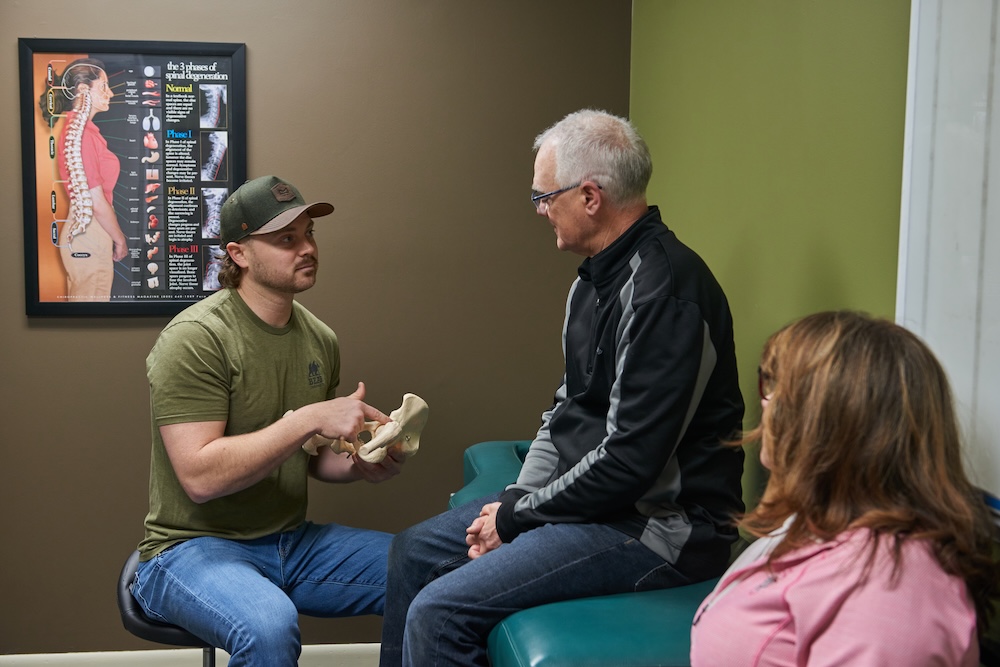
At Bear Chiropractic in Grand Rapids, we start with a focused chiropractic evaluation. We listen to your story, assess movement, perform orthopedic and neurologic testing, and review any relevant imaging when appropriate. Your safety and clear diagnosis come first.
If you are a good candidate, decompression is integrated into a personalized chiropractic care plan. That plan often includes targeted spinal adjustments to improve joint motion so decompression benefits last longer. We also coach you on posture and movement habits.
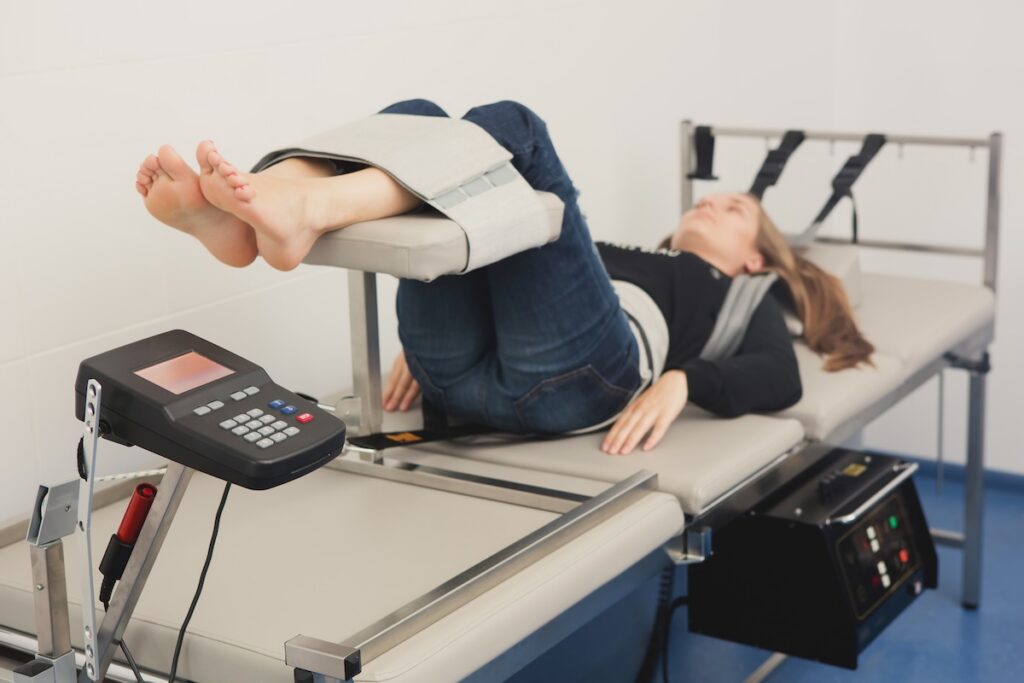
Decompression sessions use a specialized table and harness system. The device applies gentle, calculated traction and relaxation cycles. Settings are tailored to your body and response on each visit, all with your comfort in mind.
Who May Be a Good Candidate—and Who Should Not
Good candidates often include people with disc-related pain, radiating symptoms into the hip or leg, or stiffness that eases with gentle traction. If sitting or bending makes your pain worse but gentle unloading feels better, decompression may fit your pattern.
Some situations require caution or a different approach. These may include recent spinal fracture, severe osteoporosis, spinal infection, active cancer in the spine, or significant instability. Pregnancy may or may not be appropriate depending on comfort and equipment setup.
We screen carefully and coordinate referrals when needed. If your exam suggests a non-musculoskeletal cause or a condition better suited to medical management, we will guide you to the right resource promptly.
What to Expect During a Session
Most people describe decompression as a gentle, relaxing stretch. You will be comfortably positioned and secured with a harness that helps deliver even traction. The table then cycles between small pulls and short relaxation periods.
You should feel pressure relief, not sharp pain. Sessions are typically brief. Afterward, we may recommend light movement, hydration, and simple posture resets to help the improvement hold through your day.
Your plan is adjusted as your body responds. We monitor changes in pain, function, and activity tolerance so your care stays targeted and efficient.
Practical Steps to Support Your Results at Home
- Use the “90–90” rest break: Lie on your back with legs elevated and knees bent at 90°, for a few minutes to decompress at home.
- Stand and move every 30–45 minutes if you sit for work. Even one minute of walking helps.
- Keep items close to your body when lifting, and hinge at the hips instead of rounding your back.
- Sleep on your side with a pillow between your knees, or on your back with a small pillow under your knees.
- Stay hydrated. Discs appreciate fluid balance.
When to See a Chiropractor in Grand Rapids
If back pain has lasted more than a few weeks, keeps returning, or limits your work, sleep, or daily activity, it is time for a chiropractic evaluation. These patterns suggest your spine needs a focused plan rather than short-term relief.
Consider an evaluation if you notice radiating pain, numbness, or tingling down a leg. These signs can indicate nerve involvement, which benefits from timely, targeted care.
If you are in the Grand Rapids area, our team at Bear Chiropractic can help you determine whether spinal decompression, chiropractic adjustments, or a combined plan is the best next step.
Safety, Research, and Realistic Expectations
When performed by a trained chiropractor and selected for the right patient, decompression is generally well tolerated. Temporary soreness can happen, much like starting a new activity. We adjust settings to your comfort level and track your progress closely.
Evidence for spinal decompression and traction is mixed, especially for non-specific low back pain. Some studies suggest potential short-term relief for disc-related and nerve-related symptoms, while broader reviews advise cautious, case-by-case use. At Bear Chiropractic, decompression is not a stand-alone “fix,” but a focused tool within a comprehensive chiropractic plan.
Major guidelines support conservative, non-drug spine care. For example, the American College of Physicians recommends noninvasive, hands-on approaches such as spinal manipulation for low back pain as part of first-line care. Research on traction-based methods shows variable results, so we use it thoughtfully for the right clinical patterns and always pair it with skilled chiropractic assessment and care.
References: American College of Physicians Guideline for Noninvasive Treatments for Low Back Pain: ACP Guidelines. Cochrane Library: Cochrane Library.
Myths and Facts About Spinal Decompression
- Myth: Decompression is the same as hanging upside down.
- Fact: Clinical decompression is measured, targeted traction delivered by a trained provider. It is not the same as inversion at home.
- Myth: If one session doesn’t fix it, it won’t work.
- Fact: Chronic back pain usually reflects long-standing mechanics. Results build as your spine regains motion and pressure normalizes.
- Myth: Decompression replaces chiropractic adjustments.
- Fact: At Bear Chiropractic, adjustments remain foundational. Decompression complements adjustments by addressing disc pressure and nerve irritation.
Our Grand Rapids Approach and Next Steps
Chronic back pain does not have to run your life. As a local Grand Rapids chiropractic clinic, we take pride in careful evaluations, clear explanations, and practical plans you can follow. Spinal decompression is one of the tools we use to help restore comfort and function.
If you are ready for a straightforward, chiropractic-first approach, we are here to help you understand your options and take the next step with confidence. Your goals guide the plan, and our team walks with you each step of the way.
FAQs: Spinal Decompression in Grand Rapids
How is spinal decompression different from a chiropractic adjustment?
An adjustment restores joint motion and alignment with a precise manual or instrument-assisted technique. Decompression uses gentle traction cycles to reduce disc and nerve pressure. They often work best together.
How many sessions before I notice improvement?
Everyone responds differently. Some people feel easier movement within a few visits, while others notice changes more gradually. We reassess regularly and tailor the plan to your progress.
Is spinal decompression safe?
For the right candidate and when delivered by a trained chiropractor, decompression is generally well tolerated. We screen for conditions where traction is not appropriate and adjust settings to your comfort.
Will decompression help a herniated disc?
It may help reduce pressure on the affected nerve and ease symptoms. Results vary, and the best outcomes come from a complete chiropractic plan based on your exam.
Can I exercise during a decompression plan?
Light, spine-friendly movement is often encouraged. We will guide you on pacing, posture, and safe activity as your tolerance improves.
Is spinal decompression the same as using an inversion table at home?
No. Clinical decompression is targeted and adjustable. Inversion changes your whole-body position and is not appropriate for everyone.
Summary (TL;DR)
- Chiropractic spinal decompression gently reduces disc and nerve pressure to help chronic back pain.
- It works best as part of a chiropractic-first plan that also improves joint motion and daily movement habits.
- Good candidates often have disc-related or radiating symptoms; careful screening ensures safety.
- Evidence is mixed overall, but many patients report relief when decompression is used thoughtfully and specifically.
- In Grand Rapids, Bear Chiropractic provides clear evaluations and personalized decompression plans when appropriate.
When to Seek Urgent Medical Care
If you have new bowel or bladder changes, saddle numbness, unexplained fever or weight loss with back pain, history of cancer, significant trauma, or rapidly worsening leg weakness, seek urgent medical attention. Chiropractic care is not emergency care, and we will help coordinate referrals when needed.