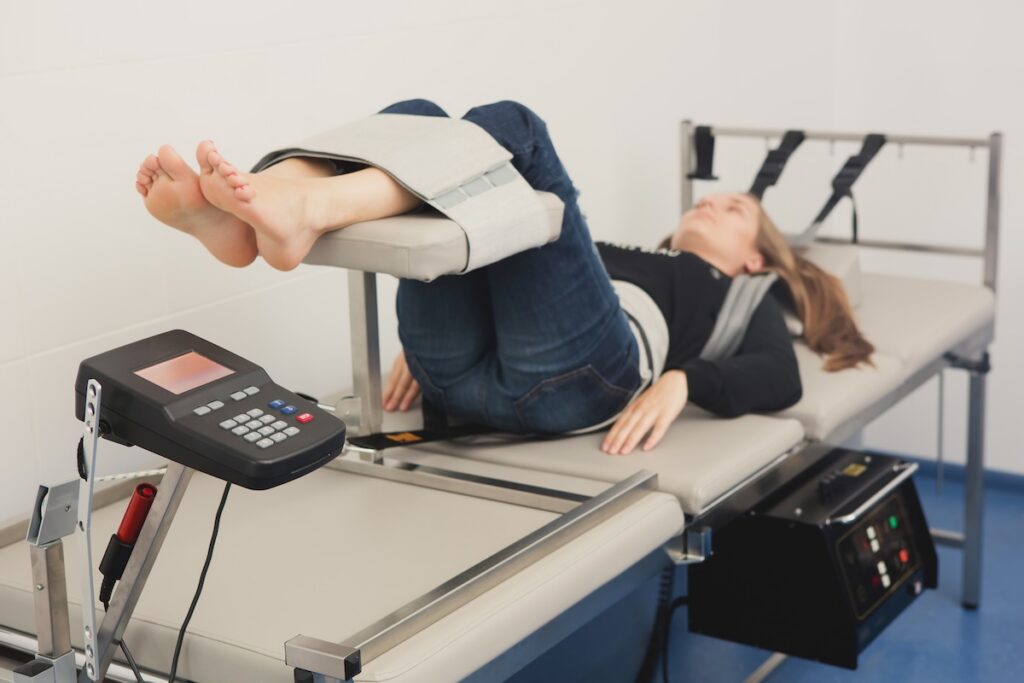

When you experience a sports injury, knowing the best techniques for recovery can truly make a difference in your healing process. While many people think that simply resting is enough, there’s much more to consider. Chiropractic care, along with proper nutrition and gentle exercise, plays a vital role in your recovery journey.
Chiropractic adjustments can help alleviate pain, improve mobility, and promote natural healing by ensuring your spine is properly aligned. This not only aids in pain relief but also enhances your body’s ability to heal itself. Physical therapy can complement your chiropractic care by providing targeted exercises that strengthen the injured area and prevent future injuries.
Nutrition is another crucial aspect of recovery. Eating a balanced diet rich in vitamins and minerals can support your healing process. Consider incorporating anti-inflammatory foods, such as leafy greens, nuts, and fish, into your meals to help reduce swelling and promote recovery.
Additionally, gentle movement and stretching can keep your body active without putting too much strain on your injury. Listen to your body and start slowly; even light walking can help maintain blood flow and reduce stiffness.
Are you aware of how these factors interconnect? By combining chiropractic care with proper nutrition and gentle exercise, you can optimize your recovery and get back in the game faster. Remember, the goal is to support your body’s natural healing abilities while ensuring you’re taking care of your overall wellness. Embrace these strategies, and you’ll be on the road to recovery in no time!
Key Takeaways
- Make rest and recovery your top priority after an injury. This helps reduce inflammation and encourages your body to heal naturally.
- Consider visiting your local chiropractor for a personalized treatment plan. Chiropractic care can include gentle spinal adjustments and specific exercises designed to support your recovery.
- As you start to feel better, gradually reintroduce low-impact activities. This can help you rebuild confidence and lower the risk of re-injury, all while keeping your spine aligned and healthy.
- Don’t forget the importance of hydration and a balanced diet! Eating plenty of protein and antioxidant-rich foods can significantly aid in tissue repair and overall wellness.
- Pay attention to your body during the recovery process. If you experience pain, it’s essential to adjust your activities accordingly. This mindful approach can help prevent setbacks and ensure a smoother recovery.
Remember, chiropractic care is a natural and effective way to support your journey to health and wellness after an injury.
Understanding the Injury: Types and Severity
When you experience a sports injury, understanding its type and severity is crucial for your recovery and overall health. Injuries typically fall into three main categories: acute, chronic, and overuse.
Acute injuries, such as sprains or fractures, happen suddenly during physical activity. You may feel immediate pain and swelling, which signals that it’s time to take action. Seeking chiropractic care can be beneficial here, as a chiropractor can help assess the injury and create a tailored recovery plan to promote healing.
Chronic injuries develop gradually over time, often due to repetitive stress on the body. You might notice persistent pain that worsens with activity, suggesting it’s time to reevaluate your training routine. Chiropractic adjustments can help realign your spine and joints, relieving pressure and pain while encouraging better movement patterns.
Overuse injuries also result from repetitive motions but can often be managed with rest and modifications to your activity. Incorporating chiropractic care can assist in addressing any underlying issues and guide you in developing a more balanced approach to your workouts.
Recognizing the severity of your injury is equally important. Mild injuries may respond well to simple self-care techniques like rest, ice, and gentle stretching. However, more severe injuries could benefit significantly from professional assessment and treatment. A chiropractor can provide natural pain relief methods and recommend exercises to strengthen and support your body, helping you recover more efficiently.
The Role of Physical Therapy in Recovery
Chiropractic care plays a crucial role in your recovery journey after a sports injury. It’s not just about healing; it’s about regaining strength, flexibility, and confidence in your body. A skilled chiropractor will design a personalized treatment plan tailored to your specific needs, focusing on restoring your range of motion and stabilizing affected areas of your spine and joints.
Through targeted adjustments and exercises, you can improve your muscle strength and coordination, which helps prevent future injuries. Your chiropractor may also use natural techniques such as soft tissue therapy and spinal manipulation to relieve pain and promote healing in a holistic way.
Regular chiropractic sessions keep you motivated and accountable, ensuring you stay on track with your recovery goals. As you progress, your chiropractor will adjust your plan to appropriately challenge you, helping you get back to your pre-injury performance level.
In addition to chiropractic adjustments, here are some simple tips you can incorporate into your recovery routine:
- Stay Hydrated: Water is essential for healing and helps maintain the elasticity of your muscles and connective tissues.
- Gentle Stretching: Incorporate gentle stretches into your daily routine to improve flexibility and reduce stiffness.
- Listen to Your Body: Pay attention to any discomfort and communicate with your chiropractor about what feels right.
- Maintain Good Posture: Proper posture can help alleviate stress on your spine and improve overall body function.
- Rest and Recovery: Allow your body time to heal by getting enough rest and avoiding overexertion.
Embracing chiropractic care can make a significant difference in your overall recovery and help you return to the sport you love in a natural and effective way. Remember, your journey to optimal health is a partnership between you and your chiropractor.
Nutrition’s Impact on Healing
Healing is not just about giving your body time; it’s also about providing it with the right fuel. Nutrition is key to your recovery and overall wellness. By focusing on the right nutrients, you can support your healing process, reduce inflammation, and strengthen your body. A balanced diet filled with vitamins, minerals, and protein can go a long way in helping you feel your best.
Here’s a handy reference of essential nutrients that can aid in recovery:
| Nutrient | Benefits |
|---|---|
| Protein | Helps repair muscles and tissues |
| Omega-3 Fatty Acids | Aids in reducing inflammation |
| Vitamin C | Supports collagen formation |
| Zinc | Boosts your immune system |
| Calcium | Strengthens bones and muscles |
To incorporate these nutrients into your meals, think about including lean meats, fish, dairy products, fruits, and vegetables. Remember, staying hydrated is just as important, so make sure you’re drinking plenty of water throughout the day.
Chiropractic care can play a significant role in your recovery journey. By aligning your spine and improving your body’s function, chiropractic adjustments can enhance your overall health and help you heal more efficiently. Alongside a nutritious diet, regular chiropractic visits can support your body’s natural ability to recover from injuries and pain.
Here are some simple tips you can take away:
- Focus on whole foods that provide essential nutrients.
- Stay hydrated to support every part of your healing process.
- Consider regular chiropractic care to enhance your body’s recovery and maintain optimal health.
Fueling your body properly and choosing chiropractic care can help you recover faster and get back to doing what you love!
Innovative Treatments: Cryotherapy and Beyond
Exploring innovative treatments like cryotherapy can be an exciting addition to your recovery process, but it’s important to remember that chiropractic care remains one of the most effective approaches for achieving optimal health and wellness. Chiropractic focuses on the spine and nervous system, helping to align your body naturally and promote healing from within.
Cryotherapy, which involves exposing your body to extremely cold temperatures for a short duration, may help reduce inflammation and speed up healing. Many athletes report experiencing less pain and quicker recovery times after intense training sessions or injuries. However, it’s essential to understand that while cryotherapy can provide temporary relief, aligning your spine through chiropractic adjustments addresses the root cause of pain and discomfort.
In addition to cryotherapy, you might consider complementary therapies like infrared therapy, which uses light to penetrate deep tissues, promoting healing and reducing soreness. However, these treatments should work alongside regular chiropractic care, which not only helps alleviate pain but also enhances overall wellness.
Another promising option is platelet-rich plasma (PRP) therapy, which involves using your own blood to stimulate healing in injured areas. While this can be beneficial, focusing on consistent chiropractic care offers long-lasting benefits by improving your body’s natural ability to heal itself.
To optimize your recovery and maintain a healthy lifestyle, here are some simple tips you can incorporate:
- Stay Active: Engage in regular physical activity that suits your fitness level. Movement helps keep your spine healthy and supports your overall wellness.
- Maintain Good Posture: Be mindful of your posture throughout the day, whether you’re sitting at a desk or standing. Proper posture can prevent spinal misalignments and reduce pain.
- Stay Hydrated: Drink plenty of water to keep your body hydrated, which is essential for overall health and can aid in recovery.
- Incorporate Stretching: Regular stretching can improve flexibility and reduce muscle tension, which complements the benefits of chiropractic adjustments.
- Listen to Your Body: Pay attention to any signs of discomfort and consult your chiropractor for guidance on how to address and manage those issues.
The Benefits of Electrical Stimulation
When it comes to enhancing recovery and promoting overall wellness, electrical stimulation can be a valuable tool for athletes and anyone healing from injuries. This technique utilizes gentle electrical impulses to stimulate muscles and nerves, which can improve blood flow and alleviate discomfort. By encouraging tissue repair and reducing inflammation, electrical stimulation can play a role in your healing journey.
For those who’ve experienced an injury, electrical stimulation can aid in muscle re-education. It works to activate and strengthen muscle fibers that may have weakened during recovery, helping you regain strength and function in affected areas.
One of the most significant benefits of this method is its ability to provide quicker pain relief, allowing you to get back to your everyday activities sooner. Whether you’re dealing with a sprain, strain, or recovering from surgery, incorporating electrical stimulation into your rehabilitation plan can make a noticeable difference.
However, it’s essential to remember that the best approach to achieving optimal health and recovery is through chiropractic care. A chiropractor can help assess your condition and create a personalized treatment plan tailored to your specific needs, ensuring a holistic approach to healing.
If you’re considering electrical stimulation, make sure to discuss it with your chiropractor. They can guide you on whether it’s a suitable option for you and how it can complement your chiropractic treatments. Always prioritize natural healing methods to support your journey toward a healthier, pain-free life.
In addition to seeking chiropractic care, here are some general tips for promoting recovery and wellness:
- Stay Hydrated: Drinking plenty of water aids in recovery and helps reduce inflammation.
- Rest and Recovery: Allow your body the time it needs to heal fully.
- Gentle Stretching: Incorporate light stretching to maintain flexibility and support muscle recovery.
- Nutrition: Focus on a balanced diet rich in antioxidants and anti-inflammatory foods to support your body’s healing processes.
- Mindfulness and Relaxation: Practices such as meditation or yoga can help manage stress, which is vital for recovery.
Importance of Rest and Mental Health
When recovering from an injury, it’s crucial to recognize the incredible benefits of rest for both your body and mind. As a local chiropractor, I want to emphasize that prioritizing physical rest is key to helping your muscles heal effectively. But don’t forget about mental resilience during this time! Staying focused and positive can significantly enhance your recovery process.
One of the best ways to support your healing journey is through chiropractic care. Chiropractic adjustments can help alleviate pain and improve your overall function, allowing you to rest better and recover more efficiently. By ensuring that your spine is aligned, you can promote better communication between your brain and body, which is vital for healing.
Here are a few general tips to help you during your recovery:
- Listen to Your Body: Allow yourself the time to rest and recover. Pushing through pain can hinder your healing process.
- Stay Hydrated: Drinking plenty of water helps to keep your muscles and joints lubricated, supporting your recovery.
- Practice Gentle Movements: Engage in light stretching or guided exercises as recommended by your chiropractor. This can help maintain mobility without overexerting yourself.
- Mindfulness and Relaxation: Incorporate relaxation techniques such as deep breathing or meditation to help manage stress and maintain a positive outlook.
- Regular Chiropractic Visits: Schedule consistent appointments with your chiropractor. They can provide tailored adjustments and advice that can further enhance your recovery.
Prioritizing Physical Rest
Prioritizing physical rest is crucial for your body and mind, especially when recovering from a sports injury.
Allowing yourself the necessary downtime enables your body to heal effectively, reducing inflammation and repairing damaged tissues. It’s common to feel the urge to push through discomfort, but this can lead to prolonged recovery times and even additional injuries.
Rest isn’t just about being inactive; it’s a vital part of your rehabilitation process. It also plays an important role in your mental well-being, providing you with space to process your feelings about the injury and your eventual return to your sport.
Incorporating chiropractic care into your recovery plan can greatly enhance your healing process. Chiropractors focus on restoring proper alignment and function to your spine and muscles, which can alleviate pain and improve your overall well-being. Regular adjustments can help reduce inflammation and promote natural healing, making it easier for your body to recover.
Listen to your body and give yourself permission to rest. By prioritizing rest and considering chiropractic care, you’ll not only recover faster but also return to your activities stronger and more focused.
Remember, your recovery journey deserves time and attention, and choosing chiropractic care can be one of the best decisions you make for your health.
Here are some general tips to aid your recovery:
- Stay Hydrated: Drink plenty of water to help flush out toxins and support tissue repair.
- Maintain a Balanced Diet: Eating nutrient-rich foods can aid in healing and reduce inflammation.
- Gentle Movement: Depending on your injury, gentle stretching or light activities can promote circulation without overexerting yourself.
- Mindfulness and Relaxation: Incorporate relaxation techniques like meditation or deep breathing to help manage stress and promote mental healing.
- Regular Chiropractic Visits: Consistent care from a chiropractor can help maintain your spinal health and support your recovery.
Mental Resilience Strategies
Mental resilience is crucial when dealing with the emotional ups and downs that can accompany sports injuries. It’s common to feel frustrated, anxious, or even down during your recovery journey. One effective strategy to tackle these feelings is to foster a positive mindset. Setting small, achievable goals can help keep your motivation strong—each little victory is worth celebrating!
Incorporating mindfulness techniques, such as meditation or deep breathing exercises, can help you stay centered and alleviate stress. Remember, taking time to rest is just as important for your mind as it’s for your body. This gives both the chance to recover and rejuvenate.
As a chiropractor, I want to emphasize the importance of maintaining a healthy spine and nervous system throughout your recovery. Regular chiropractic adjustments can help reduce pain, increase mobility, and enhance your overall well-being. It’s a natural approach that supports your body’s healing process without the need for medications or invasive procedures.
Additionally, don’t hesitate to reach out for support. Talking to friends, family, or a therapist can provide valuable encouragement and a fresh perspective during this challenging time. Prioritizing your mental health, alongside chiropractic care, is essential for a successful recovery and long-term wellness. Remember, taking care of your body and mind is the best path to optimal health!
Gradual Return to Activity: Guidelines and Tips
As you begin your journey back to activity after an injury, it’s essential to prioritize rest while gradually easing into your routine. Chiropractic care can play a crucial role in this process, helping to restore balance and function to your body. By focusing on gentle adjustments and natural healing, you can promote a safer recovery.
Always pay attention to your pain levels as you progress; this mindfulness will help you avoid setbacks and ensure a smooth return to your activities. Listening to your body is key, and if you experience discomfort, consider visiting your chiropractor for tailored advice and treatment.
Here are some general tips to keep in mind during your recovery:
- Start Slow: Begin with low-impact activities and gradually increase intensity. This helps your body adapt without overwhelming it.
- Stay Hydrated: Proper hydration supports tissue health and can aid in recovery.
- Incorporate Stretching: Gentle stretching can improve flexibility and reduce stiffness, making it easier to get back to your normal routine.
- Focus on Posture: Good posture is vital for spinal health. Be mindful of your posture during daily activities to prevent further strain.
- Consult Your Chiropractor: Regular visits can help monitor your progress and address any concerns, ensuring you stay on track.
Importance of Rest
As a local chiropractor, I want to emphasize how crucial rest is for your recovery, especially after an injury. While it may be tempting to jump back into your favorite sport, taking the time to rest is vital for healing and rebuilding your strength. Rest not only helps your body recover but also significantly reduces the risk of further injury.
During your recovery, consider engaging in low-impact activities that won’t strain the injured area. Gentle movements can promote circulation and help with healing without putting too much pressure on your body. It’s important to listen to your body’s signals and recognize when it’s time to take a break.
As you start to reintroduce activities, do so gradually. This approach can help you regain confidence and enhance your overall performance. Setting realistic goals and taking small steps is key. Remember, rushing back into action can hinder your recovery, so prioritize rest and allow your body the time it needs to heal.
Incorporating chiropractic care into your recovery process can also provide tremendous benefits. Regular adjustments can help alleviate pain, improve mobility, and support your body’s natural healing processes. By choosing chiropractic care, you’re opting for a natural, holistic approach to wellness that can lead to optimal health.
Your body works hard for you, so show it some love by prioritizing rest and considering chiropractic care as part of your healing journey. Your future self will thank you!
Monitor Pain Levels
Monitoring your pain levels is a crucial step when you’re getting back into physical activity after an injury. Understanding how your body reacts to exercise not only helps you make informed decisions but also ensures that you don’t overdo it too quickly.
One effective way to keep track of your discomfort is by maintaining a pain journal. This can be as simple as noting down your pain levels during and after activities on a scale from 1 to 10, where 1 represents minimal pain and 10 indicates severe discomfort.
If you notice a significant increase in your pain, it’s a clear signal to ease up or adjust your routine. Remember, it’s important to listen to your body. Regular check-ins with a chiropractor can be incredibly beneficial during your recovery process. They specialize in understanding the body’s mechanics and can offer personalized advice on how to navigate your return to physical activity safely.
Incorporating gentle stretching and strengthening exercises, as guided by your chiropractor, can also support your recovery and enhance your spinal health. These natural approaches help in alleviating pain and promoting overall wellness without the need for medications or invasive procedures.
Lastly, always communicate openly with your chiropractor about your pain levels. This way, they can tailor your recovery plan to meet your specific needs. Recovery isn’t a race; taking the time to heal properly is vital for preventing re-injury and ensuring a safe return to your activities. By prioritizing chiropractic care, you’re choosing a holistic approach to pain relief and a healthier way of living.