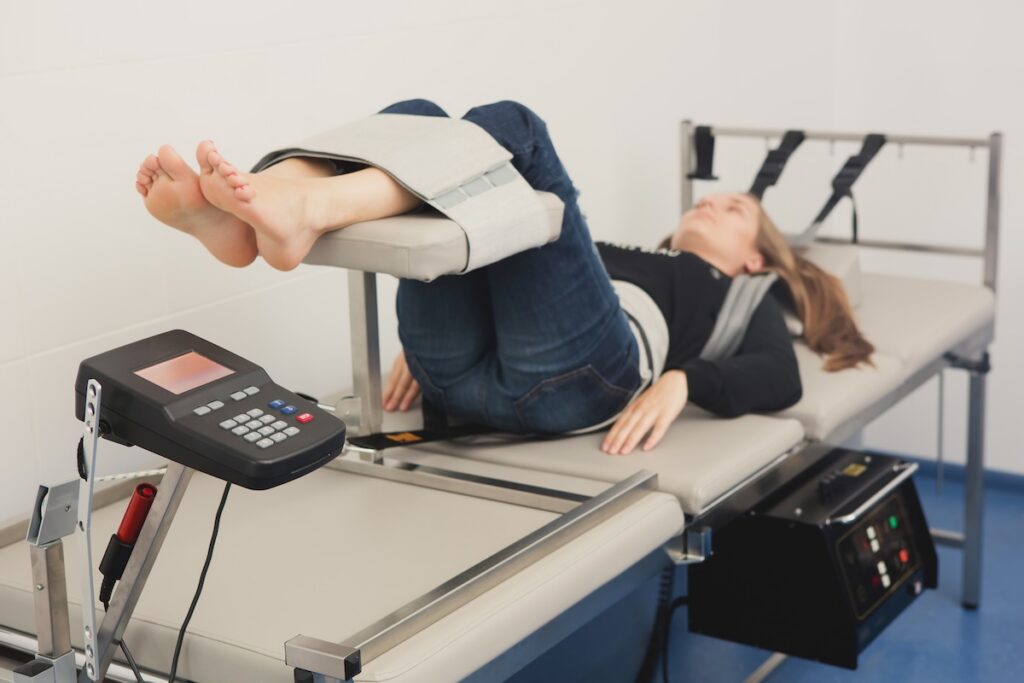

As a local chiropractor, I want to emphasize the importance of improving joint flexibility for maintaining your mobility and preventing injuries. Many of my patients discover that a combination of targeted exercises and hands-on manual therapies can significantly enhance how their joints feel and function. By familiarizing yourself with the various techniques we can offer, you can take important steps toward better joint health.
So, what specific methods can you incorporate into your daily routine to reap these benefits? Let’s delve into the options that may work best for you. From gentle stretches to chiropractic adjustments, each approach can help improve flexibility and promote overall wellness. I’m here to guide you through these natural healing techniques to ensure you achieve your health goals.
Understanding Joint Flexibility and Its Importance
As a local chiropractor, I want to emphasize how vital joint flexibility is for your overall physical health and mobility. When your joints are flexible, it allows you to move more freely and efficiently, whether you’re exercising, working, or simply going about your daily activities.
Good flexibility is crucial for maintaining a healthy range of motion, which can significantly reduce your risk of injuries and enhance your performance in sports or fitness routines.
You may not be aware, but flexibility also has a profound impact on your posture and alignment. By improving your joint flexibility, you can relieve tension in your muscles, leading to better body mechanics. This means you’ll experience less stiffness and greater agility in your movements, making daily tasks much easier.
Moreover, maintaining joint flexibility is essential for combating age-related stiffness. It enables you to stay active and independent as you age, which is something we all desire for our later years.
By prioritizing flexibility, you’re making an investment in a healthier, more active lifestyle that promotes long-term well-being. In our chiropractic practice, we focus on natural healing techniques that can help enhance your flexibility and overall health.
Your body will thank you for it!
Common Causes of Joint Stiffness
As a local chiropractor, I want to shed light on the common causes of joint stiffness that many of my patients experience. Joint stiffness can significantly impact your mobility and overall comfort, and understanding its origins is the first step towards addressing it effectively.
One of the most prevalent causes of joint stiffness is aging. As we age, the cartilage that serves as a cushion for our joints naturally begins to wear down, which can lead to increased stiffness. Additionally, inflammation is a major factor, often stemming from conditions like arthritis. This inflammation can create discomfort and hinder your range of motion.
If you lead a sedentary lifestyle or find yourself inactive for extended periods, your joints may become stiff due to a lack of movement. It’s important to remember that our bodies need regular activity to maintain flexibility and strength.
On the other hand, overuse or repetitive activities can also lead to strain on your joints, resulting in tightness and discomfort.
Injuries or trauma can leave lasting effects, leading to persistent stiffness in the affected areas. Furthermore, lifestyle choices such as poor nutrition and dehydration can negatively impact joint health. It’s crucial to be mindful of what you eat and ensure you stay hydrated.
Emotional stress can also play a role in joint stiffness. Stress often leads to muscle tension, which can further restrict your joint movement.
By recognizing these various causes, you can take proactive measures to improve your joint health and overall flexibility.
As your chiropractor, I’m here to support you on your journey to better joint health through natural healing methods, tailored exercises, and lifestyle recommendations. Together, we can work towards alleviating your stiffness and enhancing your quality of life.
Benefits of Improved Joint Flexibility
As your local chiropractor, I want to share the importance of improving joint flexibility for your overall well-being. Enhanced flexibility can significantly boost your mobility and expand your range of motion, making daily tasks much more manageable.
Many of my patients report a reduction in pain and improved discomfort management, which helps them feel more comfortable in their own bodies.
Furthermore, increasing your flexibility can be a powerful tool in injury prevention. By keeping your joints and muscles well-conditioned, you can maintain an active lifestyle and reduce the risk of injuries that may arise from everyday activities or physical exertion.
Embracing natural healing through chiropractic care can help you achieve and maintain this flexibility, promoting a healthier, more active life.
Let’s work together to enhance your joint flexibility and overall health!
Enhanced Mobility and Range
As a local chiropractor, I want to emphasize the importance of enhanced mobility and range of motion for maintaining a vibrant and active lifestyle. One key component to achieving this is improved joint flexibility, which can significantly impact your daily activities.
When your joints are more flexible, you can navigate everyday tasks with greater ease and confidence. Here are some of the benefits you might experience through chiropractic care and natural healing:
- Increased Functionality: With better joint flexibility, you’ll find that activities like climbing stairs, lifting objects, or bending down to tie your shoes become much simpler and more manageable.
- Enhanced Athletic Performance: Flexibility is crucial for athletes, as it allows for smoother movements and can lower the risk of injuries. By incorporating chiropractic adjustments and exercises aimed at improving flexibility, you can elevate your performance in sports.
- Improved Posture: Enhanced joint flexibility contributes to proper body alignment. This can lead to a healthier posture, which helps alleviate unnecessary strain on your muscles and ligaments, ultimately promoting overall well-being.
Pain Reduction and Management
As a local chiropractor, I want to share how increased joint flexibility can significantly enhance your pain reduction and management journey. When your joints are more flexible, it becomes much easier to relieve discomfort. Improved flexibility reduces tension in the muscles that support your joints, allowing for smoother movement and less pain.
By incorporating stretching and strengthening exercises into your routine, you can combat stiffness that often leads to discomfort. Greater flexibility not only helps you feel better in the moment, but it also aids your body’s recovery from injuries, which can further decrease your pain levels.
You may find that everyday activities become easier and more enjoyable, enabling you to participate in exercises or hobbies that may have previously caused discomfort.
Through chiropractic care, we focus on techniques that enhance flexibility and overall well-being, ensuring that you’re not just managing pain, but also improving your quality of life. This holistic approach makes each day more active and rewarding, allowing you to enjoy life to the fullest.
Injury Prevention Strategies
As your local chiropractor, I want to emphasize the importance of joint flexibility in injury prevention. Maintaining flexible joints can significantly reduce the risk of strains and sprains during physical activities.
Here are three effective strategies that I recommend to enhance your joint flexibility and promote a healthier lifestyle:
- Dynamic Stretching: Before you start any workout, it’s crucial to engage in dynamic stretching. This type of stretching warms up your joints and muscles, preparing them for the movements ahead. Think of it as a way to get your body ready for action!
- Regular Flexibility Training: Incorporating specific flexibility exercises into your weekly routine can greatly benefit your overall joint health. Activities like yoga or Pilates are excellent choices. They not only improve your joint range of motion but also contribute to better balance and posture.
- Cool Down Properly: After your workouts, don’t skip the cool-down phase! Spend a few minutes doing static stretches to help your muscles relax. This practice is vital for maintaining flexibility and can prevent injuries from occurring in the first place.
By integrating these strategies into your routine, you can enhance your joint flexibility and reduce the risk of injuries.
Physical Therapy Exercises for Enhanced Mobility
As a local chiropractor, I want to emphasize the importance of physical therapy exercises in enhancing your joint flexibility and overall mobility. Engaging in targeted exercises can significantly improve your range of motion, strength, and stability in your joints.
Start with gentle stretches, such as the hamstring stretch, to gradually ease tight muscles and prepare your body for movement. Incorporating dynamic movements like leg swings or arm circles can further enhance your mobility and get your joints ready for more vigorous activities.
I also recommend integrating resistance training into your routine with bands or light weights. This approach not only supports joint stability but also helps build the necessary strength to maintain your newfound flexibility.
Additionally, balance exercises—such as standing on one leg or using a balance board—are excellent for promoting proper joint function.
It’s crucial to listen to your body and progress at a comfortable pace. Consistency is essential; aim to include these exercises in your weekly routine several times. Over time, you’ll likely experience improved mobility and reduced stiffness, making daily activities not just easier, but more enjoyable.
The Role of Manual Therapy in Joint Flexibility
As a local chiropractor, I want to help you understand the significant role manual therapy can play in enhancing your joint flexibility.
While physical therapy exercises are crucial in this journey, incorporating manual therapy techniques can take your progress to the next level. Here are three key benefits to consider:
- Joint Mobilization: As a chiropractor, I utilize specific movements to help enhance the mobility of your joints. This technique can effectively break down stiffness and restrictions, allowing you to move more freely.
- Myofascial Release: This is a specialized technique that targets the fascia—the connective tissue surrounding your muscles. By releasing tension in the fascia, we can improve your overall flexibility and range of motion throughout your body.
- Soft Tissue Manipulation: By focusing on the muscles and connective tissues, manual therapy alleviates pain and promotes relaxation. This makes it easier for you to engage in physical therapy exercises and achieve your fitness goals.
Integrating manual therapy into your wellness routine can provide a comprehensive approach to achieving optimal joint flexibility and enhancing your overall mobility.
If you’re curious about how chiropractic care can benefit you, I invite you to reach out and learn more!
Stretching Techniques to Increase Range of Motion
As your local chiropractor, I’m here to help you understand how stretching techniques can significantly improve your range of motion.
It’s essential to incorporate these methods into your routine for optimal health. Dynamic stretching is a fantastic way to warm up your muscles before any physical activity, ensuring they’re prepared for movement.
On the other hand, static stretching is crucial for maintaining flexibility and preventing injuries.
Additionally, I highly recommend exploring proprioceptive neuromuscular facilitation (PNF) stretching. This technique can greatly enhance your joint mobility and overall physical performance.
Dynamic Stretching Benefits
As a local chiropractor, I want to share with you the incredible benefits of dynamic stretching and how it can positively impact your joint flexibility and overall athletic performance.
Many of my patients aren’t familiar with this practice, so allow me to explain how incorporating dynamic stretching into your routine can help you move better and perform at your best.
Here are three key benefits to consider:
1. Increased Blood Flow: Dynamic stretching is a fantastic way to elevate your heart rate and warm up your muscles. This prepares your body for physical activity and plays a crucial role in reducing the risk of injury.
By getting your blood flowing, you’re not just prepping your muscles; you’re also supporting the health of your joints.
2. Enhanced Range of Motion: Engaging in dynamic stretches helps promote flexibility and increases your range of motion. This is particularly important for anyone involved in sports or physical activities.
The more flexible and mobile your joints are, the better you can perform and the lower your chances of experiencing discomfort or injury.
3. Improved Coordination: Dynamic stretching involves various movement patterns that can enhance your coordination and balance. This is vital for agility in any physical activity.
Better coordination means you can move more freely and efficiently, which can lead to improved performance in your chosen sport or exercise.
Incorporating dynamic stretching into your routine can lead to noticeable improvements in your overall performance and well-being.
I encourage you to explore these techniques as part of your journey towards better health and natural healing.
Static Stretching Techniques
As a local chiropractor, I want to emphasize the importance of static stretching techniques for enhancing your flexibility and range of motion. These stretches involve holding a position for a period of time, typically between 15 to 60 seconds, which allows your muscles to relax and lengthen effectively.
To begin, it’s crucial to find a comfortable position where you can gently stretch the targeted muscle group without bouncing or forcing the movement. I encourage you to focus on your breathing; deep, steady breaths can help your body relax as you maintain the stretch.
You can incorporate static stretches into your routine after workouts or during dedicated flexibility sessions. It’s beneficial to target major muscle groups such as your hamstrings, quadriceps, and shoulders.
By regularly practicing these stretches, you can experience improved flexibility, reduced muscle stiffness, and enhanced joint mobility. This won’t only make everyday activities easier but also more enjoyable.
Proprioceptive Neuromuscular Facilitation
As a local chiropractor dedicated to your overall well-being, I want to introduce you to an effective technique called Proprioceptive Neuromuscular Facilitation, or PNF for short. This method goes beyond traditional static stretching to enhance your flexibility and range of motion, which is essential for maintaining a healthy body and preventing injuries.
PNF involves both stretching and contracting your muscles, creating a more dynamic approach to improving flexibility. Here’s how you can incorporate PNF into your routine for optimal results:
- Contract-Relax Method: Begin by gently stretching a muscle to its comfortable limit. Hold that stretch, then contract the muscle for 5-10 seconds. After contracting, allow the muscle to relax and then stretch it again—this often leads to a deeper stretch.
- Hold-Relax Method: Similar to the first method, stretch the targeted muscle and hold it for a few seconds. Then, contract it for 5-10 seconds before relaxing and stretching it once more. This repetition can significantly enhance your flexibility.
- Agonist Contract Method: In this method, you focus on using the opposing muscle group to contract while stretching the target muscle. This technique promotes improved flexibility through a natural process called reciprocal inhibition, where the contraction of one muscle allows the other to relax.
By incorporating these PNF techniques into your physical activity, you can greatly improve your joint flexibility and overall mobility.
As your chiropractor, I encourage you to explore these methods as part of your journey toward natural healing and a healthier lifestyle.
Incorporating Yoga and Pilates for Joint Health
As your local chiropractor, I often see patients who are unaware of the powerful benefits that yoga and Pilates can bring to joint health.
These practices aren’t just trendy; they can be essential components of a holistic approach to wellness. Both yoga and Pilates combine strength, flexibility, and balance, which are crucial for improving your overall mobility and joint function.
When you practice yoga, you engage in various poses that help stretch and strengthen the muscles surrounding your joints. This not only enhances stability but can also alleviate discomfort and pain.
By targeting specific areas through different poses, yoga provides a comprehensive method for caring for your joints.
On the other hand, Pilates emphasizes core strength and proper alignment—two key factors that support optimal joint function.
The controlled movements in Pilates are designed to build strength without putting unnecessary stress on your joints. This focus on alignment and body awareness can help you identify and correct any imbalances that may lead to discomfort.
Incorporating both yoga and Pilates into your wellness routine can create a balanced approach to maintaining joint health.
This combination not only keeps you active but also enhances your flexibility as you age.
I encourage you to explore these practices as part of your journey towards natural healing and optimal health.
Utilizing Foam Rolling and Myofascial Release
As a local chiropractor, I want to share how foam rolling and myofascial release can significantly enhance your joint flexibility and relieve muscle tension.
These natural techniques are effective in releasing tight muscles and improving blood circulation, which can make your joints feel more supple.
Here’s how you can easily incorporate these practices into your daily routine:
- Target Specific Areas: Pay special attention to muscle groups that feel tight or sore. Areas such as your quadriceps, hamstrings, and calves often hold tension, and rolling them out can lead to noticeable improvements in your joint flexibility.
- Use Proper Technique: When you’re foam rolling, remember to apply slow, controlled pressure. Move gently over the muscle tissue, and when you encounter tender spots, take a moment to pause. This allows for a deeper release and can alleviate discomfort.
- Incorporate Regular Sessions: I recommend setting aside a few minutes for foam rolling after your workouts or on your rest days. Making this a regular part of your routine is crucial for achieving lasting improvements in your flexibility and overall muscle health.
By integrating these techniques into your routine, you can experience the benefits of natural healing and support your body’s overall well-being.
If you have any questions or would like personalized guidance, feel free to reach out!
Tips for Maintaining Joint Flexibility in Daily Life
As a local chiropractor, I want to share with you how maintaining joint flexibility can greatly enhance your overall health and well-being. You might think that keeping your joints flexible is a complicated task, but it’s actually quite manageable with a few simple practices integrated into your daily routine.
First and foremost, let’s talk about stretching. Just dedicating five to ten minutes each day to gentle stretches can work wonders for your joint flexibility. It’s an easy way to keep your joints limber and ready for daily activities.
Incorporating dynamic movements, such as arm circles and leg swings, before any physical activity can also prepare your joints for movement and improve flexibility. These movements help to warm up your joints, making them less prone to injury.
I can’t stress enough the importance of good posture. Whether you’re sitting at a desk or standing, maintaining proper alignment can significantly reduce strain on your joints. Being mindful of how you position your body throughout the day contributes to long-term joint health.
If you find yourself sitting for extended periods, remember to take breaks. A quick walk or some simple stretches can rejuvenate your body and keep your joints flexible. Movement is crucial!
Lastly, don’t forget about hydration. Drinking enough water is vital for joint lubrication. Proper hydration supports the health of your cartilage and helps maintain flexibility.
By incorporating these small yet impactful habits into your routine, you’ll find it easier to maintain joint flexibility and enhance your overall mobility.
If you have any questions or would like to learn more about how chiropractic care can support your journey to better joint health, feel free to reach out!
Conclusion
As a local chiropractor, I want to emphasize the importance of improving your joint flexibility for maintaining mobility and overall health. Many people may not realize the benefits of chiropractic care in enhancing your range of motion and alleviating stiffness. By incorporating targeted exercises and manual therapies, along with practices such as yoga and Pilates, we can work together to enhance your joint flexibility.
Regular stretching and foam rolling are also essential components of a comprehensive approach to joint health. They can help keep your joints functioning optimally and reduce the risk of injury. With dedication to these practices and the right techniques, you can enjoy a more flexible, active lifestyle.
If you’re curious about how chiropractic care can specifically help improve your joint flexibility, I encourage you to reach out. Together, we can start your journey to better joint health today!