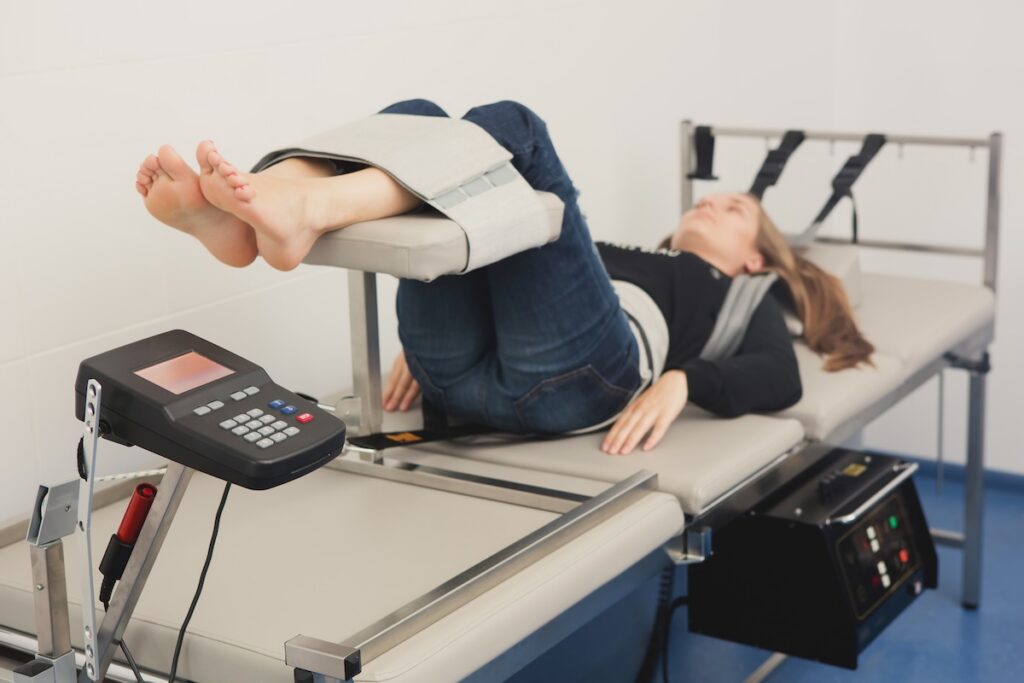

Improving flexibility is essential for enhancing your overall mobility and preventing injuries. As a chiropractor, I want to emphasize the significance of chiropractic adjustments in this journey. These adjustments help restore proper alignment in your spine and joints, which in turn reduces tension and promotes better movement. When your body is aligned and functioning optimally, you’ll experience improved flexibility and enhanced muscle performance.
So, how can you effectively incorporate chiropractic adjustments into your routine to achieve your flexibility goals? Here are some simple strategies you can follow:
- Regular Chiropractic Visits: Make chiropractic care a regular part of your wellness routine. Consistent adjustments help maintain proper alignment and support your body’s natural healing processes.
- Stretching Exercises: Pair your chiropractic adjustments with gentle stretching exercises. This can help lengthen your muscles and increase your range of motion. Focus on stretches that target areas where you feel tightness.
- Stay Hydrated: Drink plenty of water to keep your muscles and joints hydrated. Proper hydration supports joint function and can help with overall flexibility.
- Warm-Up Before Activity: Always warm up before engaging in physical activities. This prepares your muscles and joints, reducing the risk of strains and injuries.
- Listen to Your Body: Pay attention to how your body feels. If you notice any areas of tightness or discomfort, communicate these with your chiropractor. They can tailor your adjustments to address your specific needs.
- Practice Good Posture: Maintaining good posture throughout your daily activities can prevent misalignments that lead to stiffness. Be mindful of your posture when sitting, standing, or lifting.
By integrating these strategies into your daily life, you’ll not only enhance your flexibility but also support your overall health and well-being. Chiropractic care is a natural and effective way to achieve optimal health, allowing you to move freely and live your life to the fullest. Remember, your journey to improved flexibility starts with taking care of your spine!
Key Takeaways
Chiropractic adjustments play a vital role in aligning the spine, which is essential for promoting better movement and enhancing overall flexibility. When your spine is properly aligned, it can significantly reduce discomfort and allow you to enjoy a greater range of motion during physical activities, such as exercising, playing sports, or simply enjoying daily tasks.
Regular chiropractic care is not just about addressing pain; it also supports the function of your nervous system. A well-functioning nervous system is crucial for your body’s ability to move freely and comfortably. By keeping the spine aligned through adjustments, you may experience less tension and fewer restrictions in your body. This can lead to more effective stretching routines and noticeable improvements in your flexibility over time.
If you’re looking to boost your flexibility, consider combining chiropractic care with specific flexibility training exercises. This powerful duo can lead to better outcomes, helping you feel more agile and mobile in your daily life.
Here are some simple tips to enhance your flexibility at home:
- Stay Consistent: Make flexibility exercises a regular part of your routine. Even a few minutes a day can make a difference.
- Warm-Up: Always warm up your body before stretching to prevent injuries. Gentle movements can prepare your muscles for more intense stretches.
- Listen to Your Body: Pay attention to how your body feels during stretching. If something doesn’t feel right, ease off and adjust the stretch.
- Stay Hydrated: Drinking plenty of water helps keep your muscles pliable and can improve your overall flexibility.
- Consider Chiropractic Care: Regular visits to your chiropractor can help maintain spinal alignment, making your stretching efforts even more effective.
By choosing chiropractic care, you’re taking an important step toward achieving optimal health and natural wellness. It’s a safe and effective way to relieve pain and enhance your quality of life without the need for surgeries or medications. Embrace the benefits of chiropractic adjustments, and watch how they can support your journey to better flexibility and overall well-being.
Understanding Flexibility and Its Importance
When you think about flexibility, it’s crucial to recognize its importance for both your physical and mental health. Flexibility goes beyond simply being able to touch your toes; it represents your body’s ability to move freely and efficiently. Enhancing your physical flexibility can significantly improve your performance in sports and daily activities, reduce the risk of injury, and promote better posture. When your muscles and joints work together harmoniously, you’ll experience improved overall functionality.
On the mental side, flexibility plays a vital role in how you adapt to challenges and changes in life. It fosters resilience, allowing you to pivot when faced with adversity and approach problems with an open mind. Developing this mental agility can help you manage stress more effectively and enhance your decision-making skills.
As a chiropractor, I want to emphasize the connection between flexibility and spinal health. Regular chiropractic care can help improve your flexibility by ensuring your spine is properly aligned, which allows your body to move more freely. Here are some simple tips to enhance your flexibility and overall wellness:
- Stay Active: Incorporate stretching and mobility exercises into your daily routine. Simple activities like yoga or gentle stretching can help maintain and improve your flexibility.
- Prioritize Posture: Be mindful of your posture throughout the day. Good posture can significantly impact your flexibility and overall spinal health.
- Stay Hydrated: Drink plenty of water to keep your muscles and joints adequately hydrated, which can help maintain flexibility.
- Chiropractic Care: Consider regular visits to your chiropractor to keep your spine aligned and functioning optimally. This can enhance your flexibility and help prevent injuries.
Assessing Your Current Flexibility Levels
To enhance your flexibility and overall well-being, it’s essential to start by assessing your current flexibility levels. A good first step is to evaluate your joint range of motion, which can help you identify areas where you might be experiencing limitations. Understanding these restrictions is crucial as it allows us to create a tailored plan that promotes improvement.
Incorporating chiropractic care into your routine can be a game-changer for achieving optimal flexibility and overall health. Chiropractors specialize in spinal health and can help restore proper alignment, which in turn can enhance your body’s natural ability to move freely. Regular adjustments can alleviate tension in your muscles and joints, making it easier for you to stretch and improve your flexibility.
Here are some simple tips to help you on your flexibility journey:
- Warm Up Properly: Before stretching, take a few minutes to warm up your muscles. This can be as simple as a brisk walk or gentle movements to get your blood flowing.
- Focus on Your Breathing: Deep, controlled breathing can help you relax and get the most out of your stretches. Inhale deeply as you prepare to stretch and exhale as you deepen the stretch.
- Start Gradually: Begin with gentle stretches and progressively work your way to more advanced ones. Listen to your body and avoid pushing through pain.
- Stay Consistent: Flexibility doesn’t improve overnight. Incorporate stretching into your daily routine for the best results.
- Consider Chiropractic Care: Regular visits to your chiropractor can’t only help with pain relief but also enhance your flexibility and mobility. They can provide personalized stretches and exercises tailored to your needs.
Measuring Joint Range Movement
Measuring your joint range of movement is a vital step towards understanding your flexibility and overall health. By evaluating how far your joints can move, you can pinpoint areas that may need some extra attention. This is where chiropractic care comes in—helping to enhance your flexibility naturally, without the use of medications or surgeries.
There are several simple ways to measure your range of motion, such as basic stretches and flexibility tests. You can even use tools like goniometers, but you don’t have to be a professional to start improving your flexibility at home.
Here’s a handy reference table to help you track your joint movements:
| Joint Movement | Measurement Method | Ideal Range of Motion |
|---|---|---|
| Shoulder Flexion | Arm lift test | 180 degrees |
| Hip Flexion | Knee to chest test | 120 degrees |
| Ankle Dorsiflexion | Knee over toe test | 20 degrees |
To enhance your joint health, consider incorporating gentle stretches and mobility exercises into your daily routine. Regularly measuring your range can serve as a motivating factor to improve your flexibility. Plus, with the support of chiropractic care, you can achieve optimal joint function and overall wellness.
Identifying Stretching Limitations
Understanding your current flexibility levels is essential for identifying stretching limitations and enhancing your overall wellness. As a chiropractor, I believe that a healthy spine and body rely on good flexibility. Start by evaluating how far you can stretch different muscle groups. Simple movements like toe touches, shoulder stretches, and hip openers can help you gauge your range of motion. Pay attention to any discomfort or difficulty reaching certain positions, as these can indicate areas that may benefit from chiropractic care and targeted stretching.
Consider keeping a flexibility journal to track your progress over time. Regularly performing these evaluations will help you notice patterns in your limitations. This self-awareness enables you to tailor your stretching routine to focus on specific tight areas effectively. Always remember, every body is unique, so avoid comparing yourself to others. Concentrate on your personal journey and celebrate the small victories as you work to enhance your flexibility.
Incorporating chiropractic care into your wellness routine can further support your flexibility goals. Chiropractors can help align your spine, which promotes better overall movement and reduces tension in your muscles. Additionally, regular chiropractic adjustments can help alleviate discomfort, allowing you to stretch more effectively and reach your flexibility goals. Embrace a holistic approach to health by combining stretching with chiropractic care for optimal results.
Setting Realistic Flexibility Goals
To set realistic flexibility goals, the first step is to assess your current flexibility level. This initial evaluation will serve as your foundation for creating manageable and motivating progress targets. By focusing on small, steady improvements, you’ll not only enhance your flexibility but also promote overall spinal health and wellness.
Remember, chiropractic care plays a vital role in supporting your journey toward better flexibility. Regular visits to your chiropractor can help identify any restrictions in your movement and provide tailored adjustments that enhance your flexibility and relieve tension. This natural approach can lead to long-lasting improvements without the need for medications or surgeries.
Here are some tips to help you on your flexibility journey:
- Incorporate Stretching into Your Routine: Gentle stretching exercises can significantly improve your flexibility. Consider simple stretches that target major muscle groups and hold each stretch for 15-30 seconds.
- Stay Consistent: Like any health goal, consistency is key. Aim to incorporate flexibility exercises into your daily routine, even if it’s just for a few minutes.
- Listen to Your Body: Pay attention to what your body is telling you. If you feel pain, ease off the stretch. Your chiropractor can help you understand your body’s limits and how to safely push them.
- Stay Hydrated: Keeping your body hydrated supports muscle function and flexibility. Drink plenty of water throughout the day.
- Combine with Chiropractic Care: Regular chiropractic adjustments can help align your spine, reduce discomfort, and improve your range of motion, making your flexibility goals more attainable.
Assess Current Flexibility Level
Before starting your flexibility training journey, it’s essential to assess your current flexibility level. Understanding where you’re now can help you set realistic goals and keep you motivated.
Here’s how to evaluate your flexibility in a simple and effective way:
- Perform Basic Stretches: Engage in common stretches such as the hamstring stretch or shoulder stretch. Pay attention to how far you can reach and whether you experience any tightness. This will give you a good sense of areas that may need improvement.
- Use a Flexibility Test: You can try simple tests like the sit-and-reach test to accurately measure your range of motion. This helps you track your progress over time, making it easier to see improvements and stay motivated.
- Track Consistency: Keep a journal of your flexibility progress. Note how your range of motion changes as you incorporate stretching into your routine. This can help you identify patterns and adjust your stretching regimen as needed.
Remember, regular flexibility training isn’t just about stretching; it’s also about maintaining a healthy spine and overall wellness.
Chiropractic care can be a fantastic complement to your flexibility efforts, as it helps ensure your spine and nervous system are functioning optimally. This can enhance your body’s ability to move freely and reduce any discomfort that might limit your flexibility.
Establish Incremental Progress Targets
Setting realistic flexibility goals can significantly enhance your overall health and wellness journey, especially when paired with chiropractic care. Instead of striving for extreme flexibility overnight, it’s beneficial to break your progress into smaller, manageable targets. Begin by identifying specific areas where you want to improve flexibility, such as your hamstrings or hips.
Set achievable weekly or monthly goals that gently challenge you without risking injury. For instance, if you can comfortably touch your toes, aim to reach a little further each week. Remember, chiropractic adjustments can support your flexibility training by ensuring your spine and joints are in optimal alignment, which can enhance your range of motion.
Track your progress consistently, noting improvements in how you feel and move. Celebrate each milestone, no matter how small, as these achievements can boost your confidence and motivation. Remember, incremental progress not only helps you feel better but also minimizes the risk of injury, making your flexibility training safer and more enjoyable.
Additionally, consider incorporating chiropractic care into your routine as a natural approach to pain relief and overall wellness. A chiropractor can provide tailored advice on exercises and stretches that complement your flexibility goals, helping you achieve a healthier lifestyle. Focus on nurturing your body with gentle, consistent practices, and watch your flexibility—and well-being—improve over time.
Incorporating Dynamic Stretching Into Your Routine
Dynamic stretching is often overlooked, yet it’s an essential component of any wellness routine, especially for those seeking to enhance their flexibility and prepare their bodies for activity. As a chiropractor, I encourage incorporating dynamic stretches into your daily practice to boost blood flow, warm up your muscles, and ultimately reduce the risk of injury. Here’s how you can easily integrate these stretches into your routine:
- Leg Swings: Stand on one leg and gently swing the opposite leg forward and backward. This simple movement not only helps open up your hips but also improves your overall range of motion, making it an excellent warm-up before any physical activity.
- Arm Circles: Extend your arms out to the sides and create small circles, gradually increasing their size. This exercise warms up your shoulders and upper body, promoting better mobility and preparing your spine for movement.
- Walking Lunges: Step forward into a lunge, alternating legs as you move. This dynamic stretch engages multiple muscle groups, enhances stability, and supports proper alignment, which is essential for maintaining a healthy spine.
Incorporating these dynamic stretches into your routine not only prepares your body for exercise but also aligns with the principles of chiropractic care, which emphasizes natural movement and holistic wellness.
Utilizing Static Stretching Effectively
While you may already be familiar with the benefits of dynamic stretching, incorporating static stretching into your routine can significantly enhance your flexibility and overall performance, especially as part of a holistic approach to health and wellness. As a local chiropractor, I want to emphasize the importance of taking care of your body naturally, and static stretching can be a wonderful addition to your self-care routine.
To utilize static stretching effectively, hold each stretch for 15 to 60 seconds. This allows your muscles to relax and lengthen, promoting better flexibility and aiding in recovery after physical activity. The best time to perform static stretches is after your workouts when your muscles are warm and more pliable. This practice not only improves flexibility but also helps your body recover more efficiently, reducing discomfort and stiffness.
Focus on stretching key muscle groups that you frequently use, such as your hamstrings, quadriceps, and hip flexors. Listen to your body; if you feel pain, it’s important to ease off. Remember, consistency is key; aim to stretch several times a week. Over time, you’ll likely notice an increased range of motion and a reduced risk of injury, which aligns perfectly with the goals of chiropractic care.
Incorporating static stretching into your routine not only helps with flexibility but also complements the benefits of regular chiropractic adjustments. By making stretching a regular part of your health regimen, you’ll be taking proactive steps toward improved performance, greater mobility, and overall wellness. Embrace these simple practices to enhance your body’s natural healing abilities and support your journey to optimal health.
The Role of Strength Training in Flexibility
While many people think of flexibility as just stretching, it’s important to recognize that strength training is also vital for improving your overall flexibility. By building strength, you enhance your muscles’ ability to lengthen, which contributes to a greater range of motion and can lead to a healthier spine.
Here are three key ways that strength training supports flexibility and your overall well-being:
- Muscle Balance: Strengthening opposing muscle groups helps keep your body balanced, preventing tightness that can lead to discomfort. This balance is essential for maintaining a healthy spine and overall posture.
- Joint Stability: Stronger muscles around your joints provide better support, allowing for more controlled and flexible movements. This stability is crucial for preventing misalignments in the spine, which can cause pain and limit your mobility.
- Injury Prevention: By developing strength, you reduce the risk of injuries that can restrict your flexibility. Keeping your body strong and well-aligned ensures you remain agile and can engage in your favorite activities without fear of injury.
Incorporating strength training into your routine not only helps you lift heavier but also enhances your flexibility, which can improve your performance in everyday tasks and recreational activities. Remember, maintaining a strong and flexible body is essential for overall health, and chiropractic care can play a significant role in helping you achieve this balance.
Regular chiropractic adjustments support your body’s alignment, allowing you to move freely and comfortably. So, as you work on your strength and flexibility, consider incorporating chiropractic care into your wellness routine for optimal health and natural healing!
Practicing Yoga or Pilates for Enhanced Flexibility
Practicing yoga or Pilates regularly can greatly enhance your flexibility and body awareness, which are essential for a healthy spine. Both practices emphasize controlled movements, breathing techniques, and stretching that help to lengthen tight muscles and support your overall alignment. In yoga, poses like Downward Dog and Forward Fold gently stretch various muscle groups, while Pilates focuses on developing core strength and stability, which are key to maintaining a healthy spine.
As you engage in these practices, you’ll also cultivate mindfulness, allowing you to better listen to your body’s needs. This awareness enables you to recognize your limits and encourages gradual progress, which can significantly reduce the risk of injury. For those looking to enhance their flexibility and overall well-being, incorporating a blend of yoga and Pilates into your routine can be very beneficial.
However, it’s essential to remember that maintaining a healthy spine is crucial for overall health. Chiropractic care can play a vital role in achieving this by helping to align your spine, relieve pain, and enhance your body’s natural ability to heal. Regular chiropractic adjustments can complement your yoga and Pilates practice, ensuring that your spine is in optimal condition for movement and flexibility.
Here are some general tips to keep in mind as you embark on your journey to improved flexibility:
- Listen to Your Body: Pay attention to how your body feels during and after each session. If something doesn’t feel right, don’t push through the pain.
- Stay Consistent: Regular practice is key to seeing improvements. Aim for a few sessions each week.
- Integrate Breathing Techniques: Proper breathing can enhance your practice and help you relax, which is essential for flexibility.
- Work on Core Strength: A strong core supports your spine and improves your overall stability, making your practice more effective.
- Consult a Chiropractor: If you experience any discomfort or have specific concerns about your spine, consider visiting a chiropractor. They can provide tailored advice and adjustments to support your health journey.
Maintaining Consistency and Tracking Progress
To truly reap the benefits of yoga or Pilates and enhance your flexibility while supporting your spinal health, maintaining consistency in your practice is essential. Regular sessions not only help you gradually improve your flexibility but also contribute to your overall wellness, reducing the risk of pain and injuries.
Here’s how you can stay on track:
- Schedule Your Sessions: Set aside specific times each week for your practice. Treat these as important appointments for yourself, just like you’d for a chiropractic visit. Consistency is key to feeling your best.
- Track Your Progress: Consider keeping a journal or using an app to log your routines and any improvements you notice. Tracking your progress can give you valuable insights and motivate you to stay committed to your practice, ultimately supporting your journey to optimal health.
- Set Achievable Goals: Break down your flexibility goals into smaller, manageable milestones. This approach not only makes your objectives less overwhelming but also allows you to celebrate each achievement, keeping your motivation high. Remember, every little step contributes to your overall well-being.
Listening to Your Body and Avoiding Overstretching
When you’re practicing yoga or Pilates, it’s essential to tune into your body and understand its limits to avoid overstretching. Ignoring these limits can lead to injuries and setbacks, which is why being aware of how each pose feels is so important. If you experience discomfort or tension, remember that these sensations are your body’s way of signaling that you need to ease off.
As a chiropractor, I encourage you to focus on your breath during your practice. If you find yourself struggling to breathe or feeling sharp pain, it’s wise to modify the pose or take a step back. Utilizing props like blocks or straps can be beneficial; they help maintain proper alignment without the risk of overextending. These tools can support your body and enhance your overall experience.
It’s also important to remember that flexibility takes time to develop. Rather than forcing yourself into deeper stretches too quickly, celebrate your small victories and progress. By respecting your body’s limits, you’ll not only improve your flexibility safely but also promote overall wellness.
Chiropractic care plays a vital role in helping you achieve optimal health, especially when it comes to pain relief and enhancing your physical activities. Regular chiropractic adjustments can help align your spine, improve your posture, and support your body’s natural healing processes.
This holistic approach ensures that you can enjoy your yoga and Pilates practice without the fear of injury.
Incorporating these practices into your routine, along with regular chiropractic care, can lead to a healthier, more balanced lifestyle. Remember, your body is your most valuable asset—listen to it, honor its needs, and give it the care it deserves.