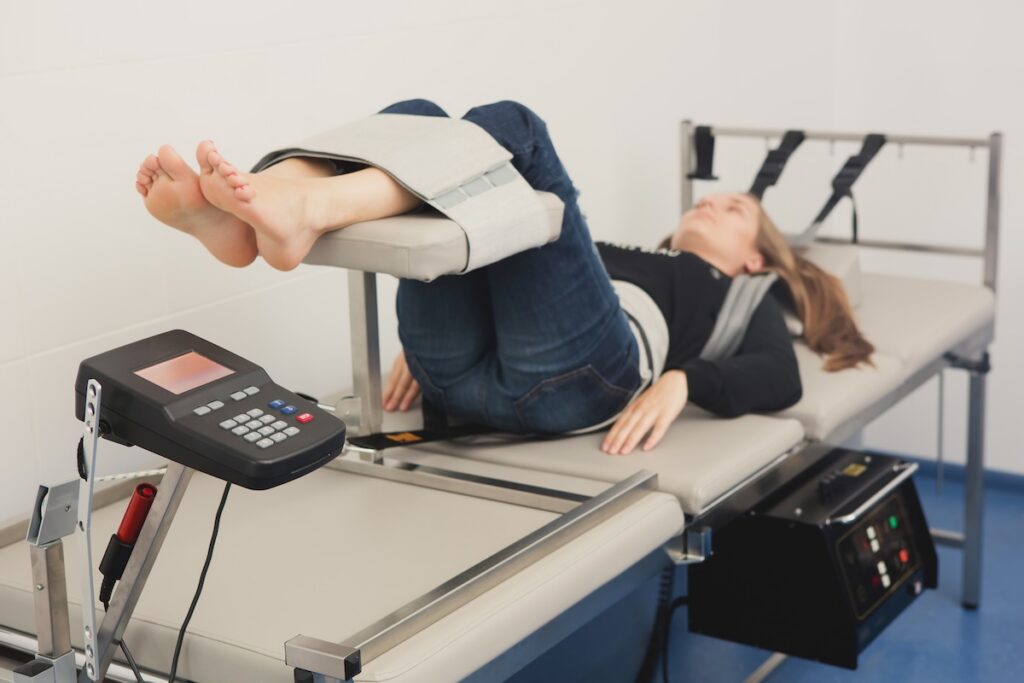

As a local chiropractor, I want to emphasize how crucial good posture is for your overall health and well-being. It plays a significant role in how you feel and function every day. Many individuals, however, may not even realize they have posture problems that could be affecting them. The good news is that with some simple adjustments and mindful practices, you can start to see improvements in your posture.
If you’re curious about how to enhance your posture naturally, I am here to help! Let’s delve into effective strategies that can transform the way you stand, sit, and move. Through chiropractic care, we can work together to not only improve your posture but also enhance your overall quality of life.
Understanding the Importance of Good Posture
As a local chiropractor, I want to emphasize how crucial good posture is for your overall health. It’s not just about looking tall and confident; maintaining proper posture aligns your body in a way that significantly reduces strain on your muscles and ligaments.
When your body is properly aligned, you’re less likely to experience discomfort, especially in common problem areas like your back, neck, and shoulders. Many people don’t realize that slouching or poor posture can lead to chronic pain and even long-term injuries.
Moreover, good posture has a profound impact on your breathing. When you sit or stand correctly, your lungs can expand fully, which facilitates better oxygen flow throughout your body. This increased oxygen supply not only helps improve your energy levels but also sharpens your focus throughout the day.
Beyond the physical aspects, I’ve seen firsthand how good posture can positively affect your mood and self-confidence. When you hold yourself upright, you may feel more self-assured and ready to take on life’s challenges.
It’s essential to be mindful of your posture in your daily activities. Even small adjustments can lead to significant improvements in your health and overall well-being. Remember, as your chiropractor, I’m here to help guide you on your journey to a healthier, more aligned body.
Identifying Common Posture Problems
As a local chiropractor, I often see many patients struggling with common posture problems like slouching and a forward head position.
If you find yourself spending long hours at a desk, you may be particularly susceptible to these issues.
It’s important to recognize these posture-related problems, as they can significantly affect your overall well-being.
Understanding these habits is the first step toward improving your posture and enhancing your health naturally.
Slouching and Forward Head
As a local chiropractor, I often see how slouching and a forward head position can sneak into our daily lives. Many people are unaware of how easily these habits develop, especially when they’re engrossed in tasks or using their smartphones.
Slouching causes your shoulders to round and your spine to curve, while a forward head position misaligns your neck. Over time, this can lead to discomfort, stiffness, and even headaches. You mightn’t realize the significant impact these postures have on your overall well-being until pain becomes a frequent visitor.
I encourage you to be mindful of your posture throughout the day. Simple adjustments can make a world of difference in how you feel.
Remember to straighten your back, pull your shoulders back, and ensure your head is aligned over your spine. By making these small changes, you can help prevent the adverse effects of poor posture and promote a healthier, more comfortable lifestyle.
If you’re experiencing persistent discomfort, consider visiting a chiropractor to explore natural healing options that can help restore your alignment and relieve your symptoms. Your body will thank you!
Desk-Related Posture Issues
As a chiropractor, I often see patients who experience discomfort from desk-related posture issues, even when they think they’re sitting correctly.
It’s important to understand that slouching or leaning forward is just one part of the problem; other factors can contribute to tension in your shoulders, neck, and back from prolonged sitting.
If your chair lacks proper support or if your monitor is positioned too low, you may unknowingly strain your muscles, leading to discomfort. Additionally, habits like crossing your legs or hunching over your keyboard can create imbalances in your body, which can exacerbate these issues.
Being mindful of your body positioning throughout the day is crucial. Adjusting your chair height so that your feet are flat on the floor and positioning your screen at eye level can make a significant difference.
Remember, your posture impacts not just your comfort but also your overall health.
I recommend taking regular breaks to stretch and move around—this simple practice can help alleviate tension and keep your posture aligned.
If you find that discomfort persists, seeking chiropractic care can provide you with personalized strategies to improve your posture and overall well-being.
Let’s work together to keep your body comfortable and functioning at its best!
Simple Lifestyle Changes for Better Posture
As a local chiropractor, I want to share with you some simple lifestyle changes that can significantly enhance your posture and overall well-being.
It all starts with being conscious of your body mechanics throughout the day. When sitting at your desk, ensure that your chair provides proper support for your lower back, and keep your feet flat on the ground. If you notice yourself slouching, take a moment to realign your posture and engage your core muscles—this can make a big difference!
Incorporating regular breaks into your daily routine is also crucial. Take the time to stand up, stretch, and move around. This not only revitalizes your energy but also helps counteract the negative effects of sitting for extended periods.
It’s also important to set up your workspace to encourage better alignment. Make sure your computer screen is at eye level and that your keyboard is positioned where you can easily reach it without straining.
Lastly, don’t overlook the importance of your footwear. Wearing supportive shoes is essential for maintaining proper body alignment and reducing strain on your back.
Effective Exercises to Strengthen Posture
As a local chiropractor, I want to emphasize the importance of strengthening your posture through targeted exercises. Proper posture is crucial for spinal health, and building core stability plays a vital role in supporting your spine. One effective exercise to start with is the plank. Begin by holding a plank position for 30 seconds, and as you become more comfortable, gradually increase the duration. This exercise engages your core, helping to stabilize your spine.
In addition to core exercises, activating your glutes and lower back is essential for good posture. I recommend incorporating bridges into your routine. To perform this exercise, lie on your back, lift your hips off the ground, hold for a few seconds, and then lower them back down. This movement strengthens the muscles that support your lower body and spine.
Don’t overlook the importance of your upper body in maintaining good posture. One exercise I often recommend is called wall angels. Stand with your back against a wall and slide your arms up and down while keeping your back flat against the wall. This exercise helps open your chest and strengthens the shoulder muscles, which is vital for counteracting the effects of slouching.
To complement these strengthening exercises, it’s important to incorporate stretches into your routine to improve flexibility. I suggest doing chest stretches and the cat-cow yoga pose, which can help release tight muscles and improve your overall mobility.
Remember, consistency is key to seeing results. Aim to perform these exercises at least three times a week. As you strengthen those crucial muscle groups, you’ll likely notice a positive difference in your posture and overall well-being.
If you have any questions or need guidance on how to perform these exercises safely, please feel free to reach out. Your journey towards better posture starts with the right knowledge and support!
Mindfulness Techniques for Postural Awareness
As a chiropractor, I want to emphasize that strengthening your posture with exercises is just one piece of the puzzle; being mindful of your body’s position throughout your daily activities is equally crucial for your overall spinal health.
I encourage you to make a habit of regularly checking in with your posture. Consider setting reminders on your phone or placing sticky notes in your living or workspaces to prompt you to assess how you’re holding yourself. If you notice tension or discomfort, take a moment to realign your body.
Incorporating deep breathing into your routine can be a powerful tool for enhancing your postural awareness. As you breathe in deeply, visualize your spine elongating and your shoulders easing into a more relaxed position. This practice not only improves your awareness of posture but can also help reduce stress levels.
I also recommend carving out mindful moments throughout your day. Whether you’re waiting in line or sitting at your desk, take a brief moment to adjust your posture.
Ergonomic Adjustments for Your Workspace
As a local chiropractor, I often see how crucial proper workspace ergonomics is for maintaining good posture and overall health.
To start, ensure that your chair is adjusted to the appropriate height. This simple step can help alleviate unnecessary strain on your back.
It’s also essential to set your monitor at eye level; this position helps prevent neck strain and encourages a more natural alignment of your spine.
Additionally, your keyboard and mouse should be placed within easy reach, allowing your arms to remain relaxed.
Implementing these small yet effective adjustments can significantly enhance your comfort and alignment throughout the day, promoting better health and well-being.
Chair Height Adjustment
As a chiropractor dedicated to your health and well-being, I want to emphasize the importance of proper chair height adjustment for both your comfort and spinal alignment while working.
When you sit at your desk, it’s essential to maintain a straight posture, with your feet flat on the floor and your knees bent at a 90-degree angle. If your feet can’t reach the ground, a footrest can be a simple solution to help you achieve this position.
It’s crucial that your hips are slightly elevated above your knees. This alignment not only allows for better blood circulation but also helps alleviate strain on your lower back—a common issue we see in our practice.
Adjust your chair height so that your elbows also create a 90-degree angle when resting on your desk. This positioning encourages relaxed shoulders and straight wrists, which are key to minimizing tension and discomfort.
I encourage you to regularly reassess your chair height, as maintaining an optimal posture throughout your workday can significantly impact your overall health.
Simple adjustments like these can help prevent musculoskeletal issues and enhance your overall well-being.
Monitor Positioning Tips
As a local chiropractor, I want to emphasize the importance of proper monitor positioning for your overall health, especially when it comes to maintaining good posture and reducing eye strain during your workday.
Position your monitor at an arm’s length away from your eyes; this will help prevent you from leaning forward or squinting, which can lead to discomfort and strain.
It’s crucial that the top of your screen is at or just below your eye level. This positioning allows your eyes to naturally look slightly downward at the center of the screen, helping to keep your neck in a neutral position and reducing the risk of strain.
Additionally, make sure to adjust the monitor’s tilt to minimize any glare from windows or overhead lights, which can cause you to squint and strain your eyes further.
If you wear glasses, be mindful of how your prescription impacts the distance at which you comfortably view your screen.
Throughout the day, take a moment to check your posture. If you find yourself slumping or straining, make the necessary adjustments to your monitor’s position until you feel more comfortable and aligned.
Keyboard and Mouse Placement
As a local chiropractor, I want to emphasize the importance of proper keyboard and mouse placement to support your overall health and well-being during your work hours.
It’s crucial to position your keyboard in a way that allows your elbows to bend at a 90-degree angle while keeping your wrists straight. Ideally, your hands should be hovering comfortably above the keys, which helps maintain good posture and reduces strain on your body.
Your mouse should be situated close to your keyboard. This proximity enables you to keep your arms relaxed and prevents excessive reaching, which can lead to discomfort and tension in your neck and shoulders.
Be mindful that your wrists shouldn’t rest on the desk while typing or using the mouse, as this can contribute to strain and potential injury.
Consider using a wrist rest for added support to help maintain neutral wrist position. Regularly assess your workspace setup, as small adjustments can make a significant impact on your comfort and productivity.
By prioritizing ergonomic placement, you not only enhance your work experience but also reduce the risk of injury, allowing your body to function at its best.
The Role of Nutrition in Supporting Posture
As your local chiropractor, I want to share an important aspect of your overall well-being that you may not have considered: nutrition plays a crucial role in supporting your posture. The foods you choose to nourish your body can significantly impact the strength and alignment of your muscles and bones.
For instance, calcium and vitamin D are essential for maintaining healthy bones. These nutrients work together to ensure that your skeletal structure remains strong, which is vital for good posture.
Additionally, incorporating lean proteins such as chicken, fish, and legumes into your diet can help build muscle mass. Strong muscles are essential for supporting your spine and core, which helps keep you upright.
Don’t overlook the importance of minerals like magnesium and potassium. These nutrients support muscle function and can help prevent cramping, which often leads to poor posture.
Staying hydrated is equally important—drinking enough water keeps your muscles flexible and reduces the risk of fatigue, making it easier for you to maintain proper alignment throughout the day.
Conclusion
As a local chiropractor, I want to share some valuable insights on how you can improve your posture and enhance your overall well-being through natural care solutions. It’s essential to understand that even small, consistent changes in your daily routine can have a significant impact. For instance, consider adjusting your workspace to promote better alignment and practicing mindful techniques to become more aware of your posture throughout the day.
Incorporating targeted exercises to strengthen your muscles is also crucial. These exercises can help support your spine and improve your body mechanics, leading to lasting benefits for your posture. By embracing these strategies, you may find yourself feeling more aligned, energized, and prepared to tackle life’s challenges. Remember, natural healing through chiropractic care can be a powerful ally on your journey to better health and well-being. Don’t hesitate to reach out if you have any questions or need guidance on how to get started!