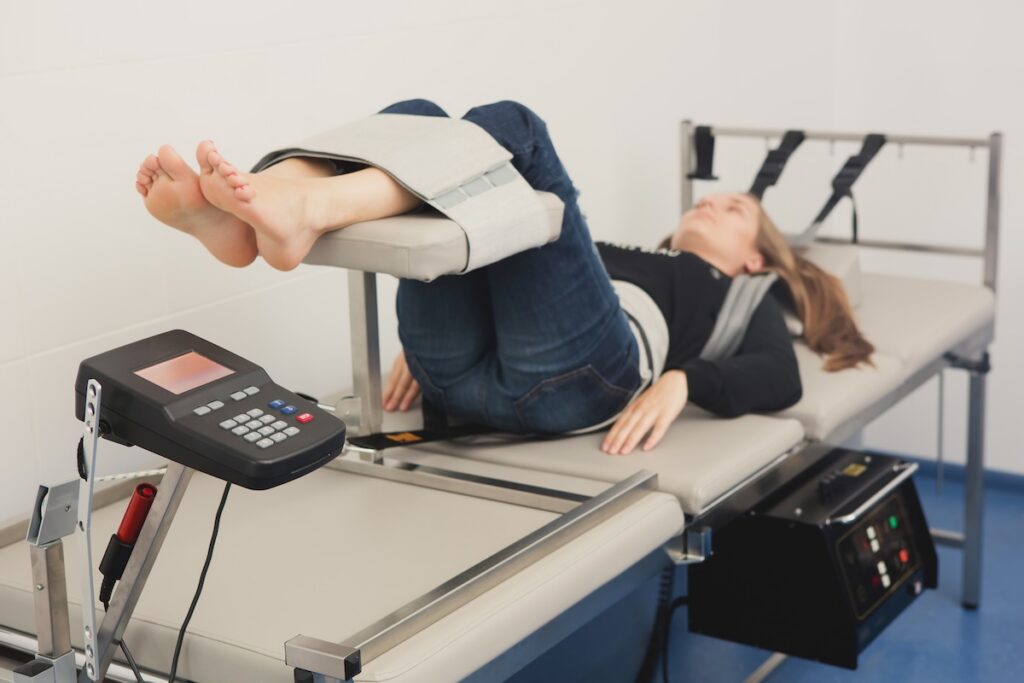

If you’re experiencing lower back pain, you’re certainly not alone. Many individuals face discomfort that can arise from various causes, and it’s essential to understand that relief is possible through natural means. As a chiropractor, I want to emphasize that gentle adjustments and holistic approaches can significantly improve your daily comfort and overall well-being.
Incorporating simple stretching exercises and mindful movement into your routine is a great way to proactively address your discomfort. These techniques not only help in alleviating pain but also promote better spinal health. A few easy stretches, such as gentle back bends and hamstring stretches, can help keep your muscles flexible and reduce tension in your lower back.
Moreover, consider regular chiropractic adjustments, which can be a game-changer for your spinal alignment and overall health. Chiropractic care focuses on the root causes of your pain, helping to restore proper function to your spine and nervous system. This natural approach can lead to long-lasting relief without the need for medications or invasive procedures.
Here are a few general tips you can incorporate into your daily routine to support your back health:
- Maintain Good Posture: Be mindful of how you sit and stand throughout the day. Proper posture can alleviate unnecessary strain on your back.
- Stay Active: Engage in low-impact activities like walking or swimming. Movement is crucial for back health.
- Strengthen Your Core: A strong core provides support for your spine. Consider exercises that focus on strengthening your abdominal and back muscles.
- Listen to Your Body: If you feel discomfort while performing certain activities, don’t push through the pain. Modify your movements to protect your back.
- Stay Hydrated: Drinking plenty of water helps keep your spinal discs hydrated and healthy.
By taking these steps and considering chiropractic care as part of your wellness journey, you can work towards achieving optimal health and a pain-free life. Remember, you don’t have to manage your lower back pain alone—reach out to a chiropractor for personalized guidance and support on your path to relief.
Key Takeaways
Gentle Relief for Lower Back Pain Solutions
As a local chiropractor, I want to share some effective and natural ways to relieve lower back pain and promote overall wellness. Here are some gentle methods that can help you feel better without the need for medications or surgeries.
- Start incorporating gentle stretching exercises into your routine, like the cat-cow and child’s pose. These stretches can improve your flexibility and help relieve tension in your lower back. They’re easy to do at home and can make a big difference in how you feel.
- Heat therapy is another fantastic tool. Applying heat can help relax your muscles and increase blood flow to the area, promoting healing. Alternatively, if you’re dealing with inflammation, cold therapy can help numb the pain and reduce swelling. Both methods can be easily applied with a heating pad or ice pack.
- Maintaining good posture is crucial! Whether you’re sitting at a desk or standing, being mindful of your posture can significantly reduce strain on your back. Make sure your workspace is ergonomically friendly, and try to keep your shoulders back and your spine straight.
- Engaging in gentle movement is essential for a healthy back. Activities like walking or yoga not only strengthen your core muscles but also enhance your overall back health. Aim for regular movement throughout your day to keep your body active and flexible.
- Lastly, consider incorporating mindfulness techniques into your daily life. Simple practices like deep breathing and guided imagery can help manage stress and change how you perceive pain. This can be a game-changer when it comes to dealing with discomfort.
Remember, chiropractic care is an excellent option for achieving optimal health and relieving pain naturally. If you’re experiencing persistent lower back pain, I encourage you to schedule a visit. Together, we can develop a personalized plan to help you feel your best!
Understanding the Causes of Lower Back Pain
When you experience lower back pain, it’s crucial to understand the underlying causes that may be contributing to your discomfort. Many factors could be at play.
Let’s start with posture. Poor posture, especially during long hours of sitting or standing, can place unnecessary strain on your muscles and ligaments. Being mindful of your posture can be the first step toward relief.
If you’ve recently lifted something heavy or twisted awkwardly, you might’ve strained your back muscles or even caused a herniated disc. It’s important to lift with your legs and keep your back straight to prevent injuries.
Additionally, a sedentary lifestyle can weaken your core muscles, making your back more susceptible to pain. Engaging in regular physical activity, even simple stretches or walks, can strengthen your core and support your spine.
Other health conditions like arthritis or sciatica can lead to inflammation and discomfort. If you’re feeling stressed, that can also tighten your muscles and intensify your pain. Finding healthy ways to manage stress, such as mindfulness or deep breathing exercises, can be beneficial for your overall well-being.
Have you experienced an injury or trauma? That could be the root cause of your ongoing pain. Identifying these factors is vital for finding effective relief.
As a chiropractor, I recommend focusing on natural healing methods like chiropractic adjustments, which can help realign your spine and alleviate pain without the need for medications or surgeries.
Remember, understanding these causes empowers you to take control of your back health. Incorporate gentle stretches into your daily routine, maintain good posture, and consider regular chiropractic care to keep your spine healthy and pain-free.
Your journey toward optimal health starts with these simple yet impactful steps!
Stretching Exercises for Relief
While it might be tempting to simply rest when dealing with lower back pain, incorporating gentle stretching exercises can significantly aid your recovery process. As a chiropractor, I often emphasize that movement is vital for healing, and targeted stretches can help relieve tension, improve flexibility, and strengthen your back muscles.
Start with the cat-cow stretch: get on all fours, and gently alternate between arching your back upwards and then allowing your belly to drop down, coordinating your movement with your breath. This not only helps loosen your spine but also encourages better posture.
Next, try the child’s pose. Kneel and sit back on your heels while reaching your arms out in front of you. This relaxing stretch elongates your spine and can provide a soothing relief for your back.
Another effective stretch is the knee-to-chest stretch. Lie on your back and gently pull one knee toward your chest, holding for 20-30 seconds before switching to the other leg. This stretch helps to release tension in your lower back and can enhance your overall mobility.
Aim to incorporate these stretches into your daily routine; even a few minutes several times a day can make a difference. However, always listen to your body—if you experience any pain, ease off the stretch.
In addition to stretching, consider scheduling regular chiropractic adjustments. Chiropractic care can help align your spine, improve your range of motion, and support your body’s natural healing process.
With consistent care and stretching, you can regain mobility and reduce discomfort, allowing you to live a more active and fulfilling lifestyle. Remember, your spine is the foundation of your health, and taking care of it is essential for overall wellbeing.
Mindfulness and Relaxation Techniques
Incorporating mindfulness and relaxation techniques can be an excellent way to manage lower back pain, and when combined with chiropractic care, you can achieve optimal health and wellness. By focusing your mind and calming your body, you can effectively reduce stress and tension, which often contribute to discomfort in your back.
Start with some simple deep breathing exercises. Inhale slowly through your nose, hold for a moment, and then exhale gently through your mouth. This practice not only helps calm your mind but also prepares your body for adjustments and enhances the effectiveness of chiropractic care.
Guided imagery is another helpful technique. Imagine a peaceful scene, like a serene beach or a quiet forest. Visualizing such environments can distract you from pain and lower your stress levels, making it easier for your body to heal.
Gentle yoga can also be beneficial, as it promotes flexibility and strength while increasing your awareness of your body and its sensations. This enhanced connection can lead to a more positive relationship with your pain and better outcomes from your chiropractic treatments.
To maximize the benefits of these techniques, try to incorporate them into your daily routine. Whether you set aside a few minutes in the morning or before bedtime, consistency is key. This regular practice can lead to lasting relief and improved overall well-being.
Remember, while these mindfulness techniques are valuable, regular visits to your chiropractor are essential for addressing the root cause of your pain and ensuring your spine remains healthy.
Together, chiropractic care and mindfulness practices can provide a powerful approach to achieving natural wellness and relieving discomfort.
Ergonomic Adjustments for Everyday Comfort
To achieve everyday comfort and alleviate lower back pain, making ergonomic adjustments in your workspace and home environment is essential.
As a chiropractor, I want to share how simple changes can help you feel better and support your spinal health naturally. Here are three quick adjustments you can make to enhance your comfort:
- Chair Height: Ensure your chair is adjusted so that your feet rest flat on the floor, and your knees form a 90-degree angle. This position promotes better circulation and reduces strain on your lower back, helping to maintain a healthy spine.
- Monitor Position: Position your computer screen at eye level to prevent neck strain. The top of the screen should be just below your line of sight. This promotes proper posture and helps keep your spine aligned, reducing the risk of discomfort.
- Keyboard and Mouse: Keep your keyboard and mouse within easy reach, allowing your elbows to stay close to your body and at a 90-degree angle. This positioning minimizes wrist strain and encourages a more natural posture, further supporting your spinal health.
Remember, chiropractic care is an excellent choice for achieving optimal wellness and pain relief.
Incorporating Gentle Movement Into Your Routine
Gentle movement can be a transformative approach for managing lower back pain, supporting your body’s natural healing process. As a chiropractor, I encourage you to embrace activities like walking, yoga, or swimming as part of your daily routine.
These gentle movements not only promote flexibility but also strengthen your core, which is essential for spinal health. Aim for at least 20-30 minutes of gentle movement most days; however, it’s important to listen to your body and adjust based on how you feel.
Start with simple stretches that focus on your hips and lower back. These movements can help release built-up tension and improve your overall mobility.
Additionally, incorporating short breaks throughout your day to stand, stretch, or take a brief walk can make a significant difference. Even small changes, such as opting for the stairs or engaging in light household chores, can enhance your activity levels and contribute to your wellness journey.
Remember, chiropractic care is an excellent complement to your gentle movement routine. Regular adjustments can help align your spine, relieve pain, and enhance your body’s ability to heal naturally.
Conclusion
To find gentle relief from lower back pain, consider a holistic approach that emphasizes the benefits of chiropractic care. Understanding the underlying causes of your discomfort is the first step toward healing. Regular chiropractic adjustments can help realign your spine, alleviate tension, and promote overall wellness.
Incorporating stretching exercises into your routine can also be beneficial. Gentle stretches can improve flexibility and reduce stiffness, making daily activities easier and more enjoyable. Alongside these stretches, practicing mindfulness techniques can enhance your mental well-being and help you manage pain more effectively.
Additionally, making ergonomic adjustments in your workspace can support your spine and reduce strain. Ensure your chair and desk are set up to encourage good posture. Remember, gentle movement is also essential—activities like walking or yoga can complement your chiropractic care and keep your body active.
With consistent chiropractic care and these simple lifestyle changes, you can alleviate tension in your lower back and enhance your overall health. By prioritizing your spinal health, you’ll be paving the way for a more comfortable and vibrant life. Embrace these steps, and you may just feel the difference!