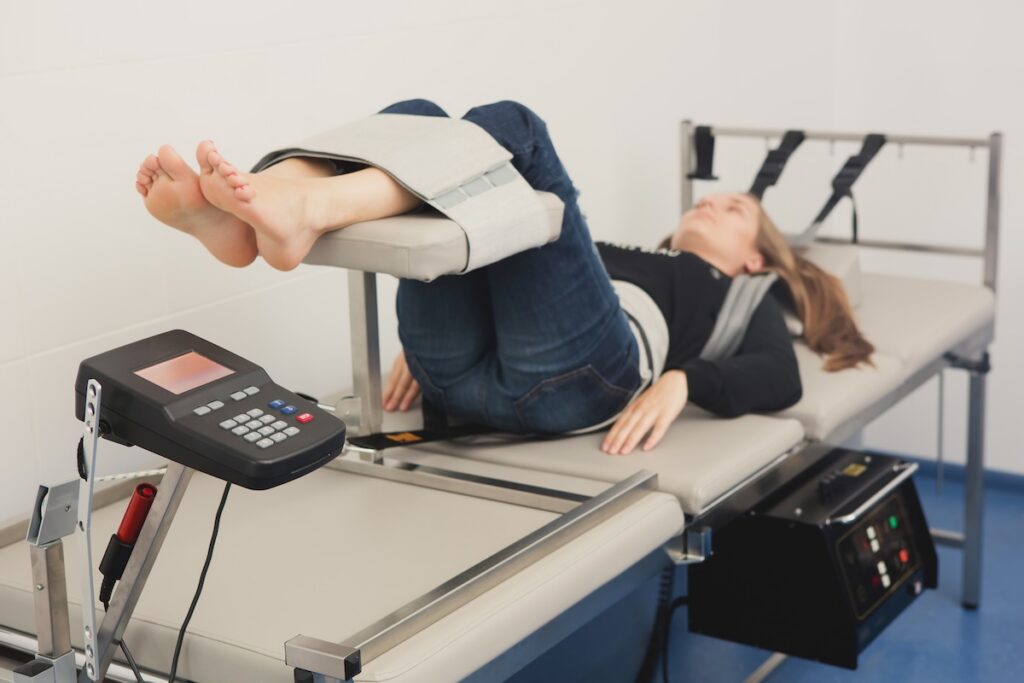

When facing a sports injury, it’s crucial to explore all available treatment options to ensure a swift and effective recovery. While many people might turn to methods like the R.I.C.E. technique for immediate relief, I want to emphasize the long-term benefits of chiropractic care. Chiropractic treatment not only addresses pain but also focuses on the underlying issues that may have contributed to your injury.
Chiropractors specialize in aligning the spine, which is vital for overall health and wellness. By correcting spinal misalignments, chiropractic care can help improve your body’s function and reduce pain. This natural approach promotes healing without the need for medications or invasive procedures, making it a safer option for many athletes.
In addition to chiropractic adjustments, incorporating physical therapy can also be beneficial. However, it’s important to remember that chiropractic care can often be the first step in your recovery process. Through targeted adjustments and exercises, you can regain strength and flexibility, which are essential for returning to your favorite sports.
Here are some general tips to keep in mind when dealing with a sports injury:
- Stay Active: Engage in low-impact activities that don’t aggravate your injury. Gentle movement can help maintain your flexibility and strength.
- Listen to Your Body: Pay attention to how you feel as you recover. If something doesn’t seem right, consult your chiropractor for guidance.
- Focus on Nutrition: Eating a balanced diet rich in anti-inflammatory foods can support your healing process. Foods like leafy greens, berries, and fatty fish are excellent choices.
- Hydrate: Proper hydration is essential for recovery. Drinking enough water helps keep your muscles and joints functioning optimally.
- Rest and Recover: While staying active is important, don’t forget to give your body the rest it needs to heal.
By prioritizing chiropractic care in your recovery plan, you can address the root causes of your injury and pave the way for a healthier, more active lifestyle. Remember, taking the natural route towards wellness not only helps you recover faster but also sets the stage for preventing future injuries. If you’re unsure about the best approach for your specific situation, don’t hesitate to reach out to your local chiropractor for personalized guidance and support.
Key Takeaways
When it comes to managing sports injuries, chiropractic care offers a holistic approach that prioritizes natural healing and overall wellness. Here are some effective strategies to aid your recovery and maintain optimal health:
- R.I.C.E. Method: Begin by utilizing the R.I.C.E. method—Rest, Ice, Compression, and Elevation. This simple yet effective technique helps manage pain and swelling, allowing your body to start the healing process.
- Chiropractic Care: As a chiropractor, I believe in the power of non-invasive treatment options. Chiropractic care focuses on spinal adjustments and soft tissue therapy to alleviate pain and restore function. By addressing misalignments in the spine and improving overall body mechanics, you can enhance your recovery and prevent future injuries.
- Nutritional Support: Nutrition plays a key role in recovery. Incorporate protein, omega-3 fatty acids, and essential vitamins into your diet to support tissue repair and overall health. Foods like lean meats, fatty fish, nuts, and plenty of fruits and vegetables can help fuel your healing process.
- Rehabilitation Exercises: Engaging in specific rehabilitation exercises will help you regain flexibility and strength. These exercises can be tailored to your needs and will assist in restoring your body’s functionality after an injury. Always consult with your chiropractor to create a personalized exercise plan that promotes healing.
- Preventative Measures: To reduce the risk of future injuries, it’s essential to implement preventative strategies. Start with proper warm-ups before physical activity, and incorporate strength training and flexibility exercises into your routine. A good warm-up increases blood flow to the muscles, preparing your body for action and helping to prevent strains.
Remember, chiropractic care is a fantastic resource for achieving pain relief and maintaining your health. By embracing these tips and integrating chiropractic treatments into your recovery process, you can support your body’s natural ability to heal and thrive.
Understanding Common Sports Injuries
When you participate in sports, being aware of common injuries can empower you to prevent them and recognize symptoms early on. Sprains and strains are among the most common injuries and often occur when you push your body too hard or neglect proper warm-up routines. A sprain affects the ligaments, while a strain involves muscles or tendons.
Fractures, though less frequent, can occur due to falls or collisions. If you experience swelling, pain, or find it difficult to use the affected area, it’s essential to seek care. Tendinitis is another concern that arises from repetitive movements; it typically causes pain and stiffness, especially in areas like the elbows or knees.
Concussions, a type of traumatic brain injury, may occur from impacts to the head, leading to symptoms such as confusion, headache, and dizziness. It’s vital to be aware of these injuries and their signs to better protect yourself and seek appropriate care.
As a chiropractor, I encourage you to prioritize your spinal health and overall wellness. Chiropractic care can be an effective way to address pain, improve mobility, and enhance your body’s natural healing abilities. Regular chiropractic adjustments can help maintain proper alignment, reduce the risk of injury, and support your performance in sports.
To further protect yourself while staying active, consider these general tips:
- Always warm up before engaging in physical activities.
- Stay hydrated to keep your muscles and joints in optimal condition.
- Listen to your body—if you feel pain, don’t ignore it; consult a chiropractor for guidance.
- Incorporate stretching and strengthening exercises into your routine to enhance flexibility and stability.
The R.I.C.E. Method: Rest, Ice, Compression, Elevation
Injuries can be frustrating, but using the R.I.C.E. method—Rest, Ice, Compression, Elevation—can greatly aid your recovery and support your body’s natural healing process. Here’s how to effectively apply each component while considering the benefits of chiropractic care for optimal recovery:
| Component | Action | Purpose |
|---|---|---|
| Rest | Stop any activity that causes pain. | This reduces strain on your body and allows your tissues to heal naturally. |
| Ice | Apply ice packs to the injured area for 15-20 minutes. | This minimizes swelling and numbs pain, helping you feel more comfortable. |
| Compression | Use an elastic bandage to provide gentle support. | This helps control swelling and stabilizes the area, promoting a conducive environment for healing. |
| Elevation | Keep the injured area elevated above heart level. | This enhances circulation and reduces swelling, making recovery smoother. |
Physical Therapy: Rehabilitation and Recovery
Chiropractic care plays a vital role in your rehabilitation and recovery after a sports injury, providing natural healing methods that promote overall wellness. Unlike other forms of treatment, chiropractic focuses on the spine and its connection to your body’s overall health. By addressing spinal misalignments, chiropractic adjustments help improve strength, flexibility, and function, aiding in your recovery process.
Understanding the benefits of chiropractic care can empower you to make informed decisions on your healing journey. Here are a few key advantages:
- Pain Relief: Chiropractic adjustments can help alleviate pain without the need for medications or invasive procedures. This not only helps you feel better but also promotes a more natural healing process.
- Improved Mobility: Regular chiropractic care enhances your range of motion, allowing you to regain your strength and flexibility more effectively after an injury.
- Preventative Care: Chiropractic care doesn’t just address current pain; it also helps prevent future injuries by ensuring your spine and nervous system are functioning optimally.
- Holistic Approach: Chiropractors consider your entire body and lifestyle, which can lead to personalized treatment plans that promote better health and wellness overall.
Here are some tips to support your recovery journey:
- Stay Active: Engage in low-impact activities as advised by your chiropractor to keep your muscles strong and support your spine.
- Maintain Good Posture: Be mindful of your posture while sitting, standing, and moving. Good posture can reduce strain on your spine and help prevent further injuries.
- Stay Hydrated: Drinking plenty of water supports overall health and can aid in the healing process.
- Listen to Your Body: Pay attention to how your body feels during recovery; if something doesn’t feel right, consult your chiropractor for guidance.
Benefits of Physical Therapy
Recovering from a sports injury can feel daunting, but embracing chiropractic care can provide significant benefits for athletes. Chiropractic treatment focuses on restoring your body’s natural alignment, helping you regain strength, flexibility, and coordination—key elements for returning to your sport.
With the guidance of a skilled chiropractor, you’ll receive personalized care tailored to your specific needs. This targeted approach not only accelerates your recovery but also minimizes the risk of re-injury. Chiropractic adjustments can alleviate pain through natural techniques, promoting overall well-being without the need for medications or invasive procedures.
In addition to pain relief, chiropractic care offers valuable insights into proper body mechanics, enhancing your performance and helping to prevent future injuries. By understanding how your body moves, you can make smarter choices in your training and daily activities.
Here are some tips to support your recovery journey:
- Stay Active: Engage in low-impact activities as recommended by your chiropractor to maintain mobility without straining your injury.
- Listen to Your Body: Pay attention to any discomfort during activities and consult your chiropractor if you experience pain.
- Practice Good Posture: Whether you’re sitting, standing, or exercising, maintaining proper posture can help reduce strain on your body.
- Stay Hydrated: Proper hydration supports muscle function and recovery, so drink plenty of water throughout the day.
- Incorporate Stretching: Gentle stretching can improve flexibility and support your recovery—ask your chiropractor for recommended stretches.
Choosing chiropractic care can be a game-changer on your path to recovery and athletic success, promoting a healthier, more balanced lifestyle.
Common Techniques Used
Rehabilitation from sports injuries is essential for restoring function and strength, and chiropractic care offers a natural and effective approach to recovery.
By focusing on spinal health and overall wellness, chiropractic techniques can help you get back to your favorite activities more quickly and safely. Here are three common chiropractic techniques that can aid in your recovery:
- Spinal Adjustments: Chiropractors use precise, hands-on adjustments to realign the spine. This can reduce pain, improve mobility, and enhance the body’s ability to heal itself naturally.
- Strengthening Exercises: Incorporating targeted exercises into your recovery plan can help rebuild strength and stability in the injured areas. Your chiropractor can guide you through exercises that not only promote healing but also help prevent future injuries.
- Soft Tissue Therapy: Techniques such as massage and myofascial release can be used to alleviate tension in the muscles and connective tissues, reducing pain and promoting relaxation. This enhances circulation and supports your body’s natural healing processes.
General Tips for Recovery:
- Stay hydrated and maintain a balanced diet to support overall health and healing.
- Listen to your body; rest when needed and avoid pushing through pain.
- Incorporate gentle stretches and mobility exercises into your daily routine to maintain flexibility.
By choosing chiropractic care, you’re opting for a holistic approach that emphasizes natural healing and optimal health, helping you recover from sports injuries effectively and safely.
Medications and Pain Management
When you’ve sustained a sports injury, finding effective pain relief is crucial for a smooth recovery. While many people think of over-the-counter medications like ibuprofen or acetaminophen, I want to emphasize the benefits of chiropractic care as a holistic approach to managing pain and promoting healing.
Chiropractic care focuses on aligning the spine and improving overall function, which can significantly reduce pain and inflammation naturally. By addressing the root cause of your discomfort, rather than just masking the symptoms with medications, chiropractic adjustments can lead to long-term relief and better mobility.
In addition to spinal adjustments, I recommend incorporating gentle stretching and strengthening exercises to support your recovery. These movements can enhance your body’s natural healing abilities and prevent future injuries.
Remember, rest and ice can also play a vital role in managing swelling and discomfort.
Topical treatments, such as creams or gels, can provide localized relief, but consider discussing with your chiropractor about integrating natural remedies that align with your body’s healing process. Some patients find benefits from therapies like acupuncture or massage, which can be complementary to chiropractic care.
Maintaining open communication with your chiropractor is essential in developing a personalized pain management strategy that fits your individual needs. By staying proactive in your health journey and embracing a natural approach, you can regain mobility and get back to doing what you love – all while prioritizing your overall wellness.
Bracing and Supportive Devices
Pain management is just one piece of the recovery puzzle; however, incorporating bracing and supportive devices can significantly enhance your healing process. These tools not only stabilize your injury but also encourage proper alignment, reducing the likelihood of further damage.
Here are three key benefits of using bracing and supportive devices:
- Injury Protection: These devices can protect your injured area from reinjury during daily activities or while engaging in sports. This means you can stay active while giving your body the support it needs.
- Pain Reduction: By limiting excessive movement, bracing can help minimize pain and discomfort. This makes it easier for you to participate in rehabilitation exercises, which are crucial for your recovery.
- Enhanced Recovery: Supportive devices provide essential stability for your muscles and joints, which can help accelerate the healing process.
While bracing can be beneficial, it’s essential to remember that chiropractic care is a holistic approach to recovery. Regular chiropractic adjustments can help improve your overall spinal health, restore proper function, and promote natural healing.
Incorporating these supportive devices, along with chiropractic care, can make a significant difference in your recovery journey. Always consult with a chiropractor to explore the best options tailored to your individual needs, ensuring a safe and effective return to your activities.
As a general tip, focus on maintaining good posture and alignment throughout your daily life. Simple practices like being mindful of your body position while sitting, standing, or lifting can contribute greatly to your overall wellness and recovery.
Your body deserves the best care, and with the right support, you can achieve optimal health naturally.
Surgical Options for Severe Injuries
When dealing with severe sports injuries, it’s important to explore all options for recovery, and chiropractic care can be a powerful ally on your journey back to health and mobility. Instead of considering surgical procedures, many individuals find relief and restoration through natural healing methods that focus on the body’s ability to heal itself.
Chiropractic care emphasizes spinal health and alignment, which play a crucial role in overall wellness. By ensuring your spine is properly aligned, you can alleviate pain, improve mobility, and enhance your body’s natural healing processes. Many athletes have found that regular chiropractic adjustments not only help with recovery but also enhance their performance on the field.
Here are some general tips to support your healing journey:
- Stay Active: While you may need to modify your activities during recovery, gentle movements and stretching can keep your body engaged and promote healing.
- Focus on Nutrition: A balanced diet rich in vitamins and minerals can support your body’s healing process. Foods high in omega-3 fatty acids, antioxidants, and protein can be particularly beneficial.
- Hydrate: Staying well-hydrated is essential for recovery. Water helps to transport nutrients throughout your body and can aid in reducing inflammation.
- Rest and Recovery: Give your body the time it needs to heal. Quality sleep is vital for recovery, so prioritize rest and restorative practices.
- Consult a Chiropractor: If you’re dealing with pain or discomfort from an injury, a chiropractor can provide personalized care tailored to your specific needs. They can help alleviate pain, improve function, and guide you on the path to recovery without the need for invasive procedures.
Types of Surgical Procedures
While many sports injuries can often be managed effectively with conservative care, such as chiropractic adjustments and rehabilitation exercises, some individuals may still experience chronic pain or loss of function.
It’s important to understand that there are natural alternatives to invasive procedures. Here are three common issues you might encounter and how chiropractic care can help:
- Joint Pain: Instead of turning to surgery like arthroscopy, many patients find relief through chiropractic adjustments. These gentle manipulations can help restore proper alignment in the joints, reduce inflammation, and promote healing without the need for invasive procedures.
- Fractures and Misalignments: If you’ve suffered a fracture, it’s essential to ensure proper healing. While Open Reduction and Internal Fixation (ORIF) is a surgical option, chiropractic care can support your recovery by addressing misalignments and optimizing your overall body mechanics, which can enhance your healing process.
- Tendon Strains: Severe tendon injuries can be challenging, but surgery isn’t your only option. Chiropractic care can help improve flexibility and strength through targeted therapy and exercises, allowing your body to heal naturally and regain mobility.
By choosing chiropractic care, you can harness the body’s natural ability to heal, achieve pain relief, and promote overall wellness.
Remember, maintaining a healthy lifestyle through regular exercise, a balanced diet, and proper hydration can also play a significant role in preventing injuries and improving your overall health.
Always consult with your chiropractor to tailor a plan that best suits your individual needs.
Recovery and Rehabilitation Process
After exploring non-invasive chiropractic options for managing sports injuries, it’s essential to understand the recovery and rehabilitation process, especially if you’re dealing with a severe injury. While some may consider surgery, I encourage you to first explore the benefits of chiropractic care as a natural and effective way to heal.
Once you’ve sustained an injury, the focus should be on regaining strength and mobility through safe, non-invasive methods. Working with a chiropractor can help you develop a personalized recovery plan that emphasizes gentle adjustments, targeted exercises, and stretching.
These techniques not only help alleviate pain but also promote natural healing by improving spinal alignment and overall body function.
Staying committed to your chiropractic care regimen is crucial. Each session builds on your progress, helping you move closer to your recovery goals. As you advance, your chiropractor will guide you in gradually increasing the intensity of your workouts, ensuring you do so safely and effectively.
Here are some general tips to enhance your recovery process:
- Stay Active: Engage in light activities as recommended by your chiropractor to keep your body moving and promote circulation.
- Hydrate: Drinking plenty of water aids in recovery and helps maintain joint health.
- Listen to Your Body: Pay attention to how you feel during your rehabilitation process. If something doesn’t feel right, consult your chiropractor.
- Focus on Nutrition: A balanced diet rich in anti-inflammatory foods can support healing and overall wellness.
- Prioritize Rest: While staying active is important, don’t forget to give your body the rest it needs to recover.
Risks and Complications Involved
While some sports injuries may seem severe, it’s important to explore all avenues of healing before considering surgical options. Many people can find relief and recovery through chiropractic care, which focuses on natural healing and overall wellness. Understanding potential risks associated with surgery can help you make informed choices about your health.
Here are three concerns to keep in mind when thinking about surgical options:
- Infection: Surgery can lead to infections at the surgical site, which can delay your recovery and create additional health issues.
- Nerve Damage: There’s a risk of nerve damage during surgical procedures, which could cause numbness or weakness in the affected area.
- Scar Tissue Formation: After surgery, scar tissue can form, which may limit your mobility and lead to discomfort long after the procedure.
Instead of turning to surgery, consider chiropractic care as a natural and effective way to manage pain and promote healing. Chiropractors focus on spinal health and can help relieve tension, improve mobility, and support your body’s natural ability to heal itself.
Here are some general tips to support your recovery and well-being:
- Stay Active: Gentle movements and stretches can help maintain flexibility and prevent stiffness.
- Practice Good Posture: Proper alignment can reduce strain on your body and support overall health.
- Stay Hydrated: Drinking plenty of water helps keep your body functioning optimally.
- Listen to Your Body: If something feels off, consult with a chiropractor to address any concerns.
Alternative Therapies: Acupuncture and Chiropractic Care
When it comes to treating sports injuries, chiropractic care stands out as a powerful option for achieving natural relief and promoting optimal recovery. Unlike other methods, chiropractic focuses on the spine and musculoskeletal system to enhance your body’s ability to heal itself. By realigning your spine and ensuring that your nervous system functions smoothly, chiropractic adjustments can’t only alleviate pain but also improve your overall mobility and function.
One of the key benefits of chiropractic care is its holistic approach. We don’t just treat the injury; we take into account your entire body and well-being. This means addressing any underlying issues that may contribute to your discomfort, allowing you to recover more effectively.
Many athletes have found that regular chiropractic adjustments help reduce inflammation, speed up recovery times, and even prevent future injuries, keeping them in peak condition.
In addition to chiropractic adjustments, there are simple tips you can incorporate into your routine to support your healing process. Make sure to stay hydrated, as proper hydration is crucial for tissue repair. Incorporate gentle stretching exercises to maintain flexibility and prevent stiffness.
And don’t forget the importance of rest—allow your body the time it needs to heal.
If you’re considering chiropractic care, I encourage you to consult a qualified chiropractor who can create a personalized treatment plan tailored to your specific needs and goals. With a focus on natural healing, chiropractic care can help you achieve the pain relief and wellness you deserve, empowering you to stay active and healthy.
The Role of Nutrition in Injury Recovery
Nutrition plays a vital role in your recovery from sports injuries and can significantly influence your overall performance and wellness. When combined with chiropractic care, a well-balanced diet can enhance your healing process and ensure your body has the essential nutrients it needs to recover effectively.
Here are three key nutritional components to focus on, along with some tips for incorporating them into your daily routine:
- Protein: This macronutrient is crucial for muscle repair and recovery. Incorporating lean meats like chicken or turkey, fish, beans, and dairy products into your meals can support tissue healing. A simple tip is to plan your meals around a protein source to ensure you’re getting enough to aid your recovery.
- Omega-3 Fatty Acids: These healthy fats are known to help reduce inflammation, which is especially beneficial when recovering from injuries. Consider adding sources like salmon, walnuts, and flaxseeds to your diet. Try mixing flaxseeds into your smoothies or salads for an easy boost!
- Vitamins and Minerals: Nutrients such as vitamin C, vitamin D, and zinc are vital for tissue repair and maintaining a strong immune system. Make fruits, vegetables, and whole grains a staple in your meals. A great takeaway is to fill half your plate with colorful vegetables at each meal to maximize your vitamin intake.
In addition to a nutritious diet, remember that chiropractic care can play a crucial role in your recovery process. Regular adjustments can help restore proper alignment, reduce pain, and improve mobility, allowing your body to heal more effectively.
Preventative Measures to Avoid Future Injuries
To prevent future injuries and promote overall wellness, it’s important to adopt proactive measures that enhance your body’s resilience and performance. One of the best ways to start is with a well-structured warm-up routine before any physical activity. This simple practice increases blood flow to your muscles and prepares your body for the demands ahead, which can be particularly beneficial for your spine.
Incorporating strength training into your routine is crucial as it helps build muscle support around your joints. This added support reduces the risks associated with sports and everyday activities.
Additionally, don’t forget the importance of flexibility exercises, such as gentle stretching or yoga. These practices keep your muscles supple and balanced, which is vital for maintaining a healthy spine.
Listening to your body is key. If you feel pain, it’s important to take a step back and allow your body to rest and recover. Remember, recovery is just as important as training.
Wearing appropriate footwear and using proper techniques during physical activities can also help minimize strain on your body and prevent injuries.
Consider incorporating regular chiropractic care into your wellness routine. A chiropractor can help enhance your spinal health, improve your overall physical performance, and provide personalized advice tailored to your specific needs.
Conclusion
In summary, navigating treatment options for sports injuries is best approached with a focus on holistic health and wellness. Chiropractic care stands out as a top choice for promoting natural healing and optimal performance. By integrating immediate care methods like R.I.C.E. (Rest, Ice, Compression, Elevation) with long-term strategies such as chiropractic adjustments and physical therapy, you can effectively support your body’s recovery and enhance your athletic abilities.
Chiropractic care not only alleviates pain but also addresses underlying issues related to your spine and nervous system, ensuring that your body functions optimally. Regular chiropractic adjustments can help improve flexibility, range of motion, and overall strength, which are essential for preventing future injuries.
Additionally, maintaining a balanced diet rich in nutrients supports the healing process and fuels your body for peak performance. Remember to prioritize proper hydration and rest as well, as these are crucial components of recovery.
Don’t forget that preventative measures are key to staying active in your favorite sports for years to come. Incorporating regular chiropractic check-ups into your routine can help catch any imbalances before they become serious issues. By focusing on these natural and proactive strategies, you can enjoy a healthier, more active lifestyle without the need for surgeries or medications.