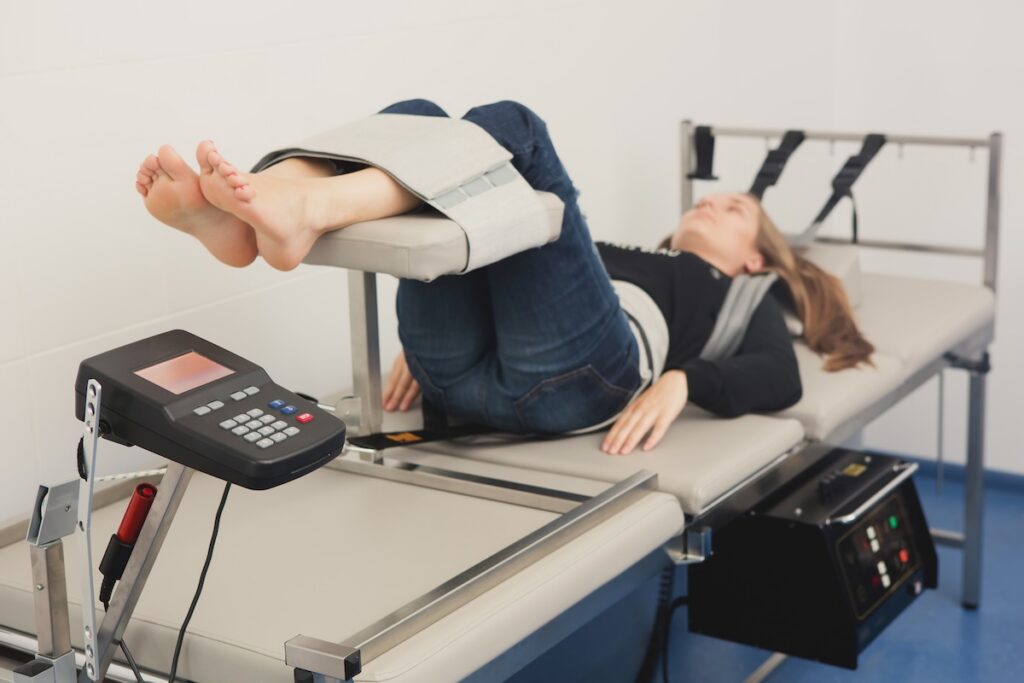

When you experience a sports injury, understanding your treatment options is crucial for a speedy recovery. Chiropractic care stands out as an exceptional choice for restoring your body’s function and strength naturally. It focuses on aligning the spine and optimizing nervous system function, which can significantly enhance your overall health and well-being.
Immediate care steps, such as rest, ice, compression, and elevation (often referred to as the RICE method), are essential in the initial stages of your healing process. However, incorporating chiropractic care can take your recovery to the next level. Chiropractors use gentle adjustments to relieve pain, reduce inflammation, and promote healing throughout the entire body. This holistic approach not only addresses your current injury but also helps prevent future setbacks by enhancing your overall physical function.
To ensure you bounce back stronger, consider these tips:
- Stay Hydrated: Proper hydration aids in recovery and helps keep your muscles functioning optimally.
- Warm Up and Stretch: Always warm up your body before engaging in sports and incorporate stretching to maintain flexibility and reduce the risk of injury.
- Listen to Your Body: Pay attention to any discomfort or pain signals. Ignoring them can lead to more significant issues down the line.
- Regular Chiropractic Visits: Maintaining routine chiropractic care can help keep your spine aligned and your body in peak condition, making you less susceptible to injuries.
In conclusion, chiropractic care not only offers effective pain relief but also promotes natural healing and overall wellness. If you’re looking for a comprehensive approach to sports injury recovery that prioritizes your health without the use of medications or invasive procedures, chiropractic care is the best choice for you. Embrace this natural path to wellness and get back to doing what you love!
Key Takeaways
- When you experience a sports injury, the first step is to assess the situation and care for the injury right away. This includes applying ice to reduce swelling, resting the affected area, elevating it, and seeking chiropractic care to ensure your body heals properly and to minimize any complications.
- Chiropractic care is a fantastic way to restore alignment and function to your body. As a chiropractor, I create personalized treatment plans that include gentle adjustments and specific exercises tailored to your unique needs. This approach not only helps relieve pain but also promotes overall wellness.
- After an injury, incorporating strengthening exercises into your routine is key to building resilience and supporting your recovery. Simple bodyweight exercises like squats and plank variations can help you regain strength and stability, making it easier for your body to bounce back.
- Regular check-ins with your chiropractor are crucial for effective recovery. We monitor your progress and educate you on safe movement techniques to help prevent future injuries. This ongoing support is an essential part of your healing journey.
- To keep sports injuries at bay, proactive measures are vital. Always warm up properly before engaging in any physical activity, and ensure you use the right gear for your sport. These simple steps can significantly lower your risk of getting hurt and help you maintain a healthy and active lifestyle.
Remember, chiropractic care is a natural and effective way to achieve pain relief and promote wellness. By prioritizing your spinal health and incorporating these tips into your routine, you can enjoy a more resilient body and a healthier life.
Understanding Sports Injuries: Types and Causes
When you participate in sports, it’s essential to be aware of the types of injuries that can arise and how they occur. Common injuries include sprains, strains, fractures, and tendonitis.
Sprains typically occur when you twist or stretch a ligament too far, while strains involve overstretching a muscle or tendon. Fractures are breaks in the bone, often resulting from impact or stress, and tendonitis is characterized by inflammation of the tendons due to repetitive use.
Each injury type has specific risk factors that can increase your chances of getting hurt. Factors like insufficient warm-up, improper technique, and not using the right gear can contribute to injury risk. By understanding these factors, you can take proactive steps to prevent injuries.
Strengthening your muscles, enhancing flexibility, and maintaining proper form can significantly reduce your risk. Recognizing the signs of these injuries is crucial. If you experience pain, swelling, or decreased mobility, it’s important to address these issues promptly.
Chiropractic care can play a vital role in your recovery and overall wellness. Chiropractors focus on natural healing by aligning your spine and improving your body’s function. This can help alleviate pain and promote healing without the need for invasive procedures or medications.
To support your athletic journey, consider incorporating regular chiropractic adjustments into your routine. These adjustments can enhance your performance, prevent injuries, and keep you feeling your best.
Remember to prioritize warm-ups, practice good technique, and listen to your body. By doing so, you can enjoy your sports activities safely and effectively. Embrace the power of chiropractic care to help you achieve optimal health and wellness in your athletic pursuits.
The Importance of Immediate Care
When you experience a sports injury, recognizing the symptoms and responding quickly is crucial. Taking immediate action not only helps manage the pain but can also pave the way for a smoother long-term recovery. Here are some essential steps to follow right after an injury occurs, with a focus on chiropractic care as a natural and effective solution for pain relief and wellness.
- Stay Calm and Assess the Injury: Take a moment to evaluate your injury. Is there swelling, bruising, or a limited range of motion? Understanding the extent of your injury can help you take the right steps next.
- Apply Ice: If you notice swelling or bruising, applying ice to the area can help reduce inflammation and numb the pain. Wrap ice in a cloth and apply it for 15-20 minutes every hour to keep swelling in check.
- Rest and Elevate: Giving your body a chance to heal is essential. Rest the injured area and consider elevating it to reduce swelling. This simple step can significantly aid in your recovery process.
- Gentle Movement: While rest is important, gentle movement can also be beneficial. Listen to your body and avoid any movements that cause pain. Simple stretches or range-of-motion exercises can help maintain flexibility.
- Seek Chiropractic Care: Visiting a chiropractor soon after your injury can be one of the best decisions you make. Chiropractic care focuses on natural healing and addresses the root causes of pain. A chiropractor can provide tailored treatment plans that may include adjustments, therapeutic exercises, and advice on proper body mechanics to prevent future injuries.
- Stay Hydrated and Nourished: Proper hydration and nutrition play a significant role in your recovery. Drinking plenty of water and consuming a balanced diet rich in vitamins and minerals can help your body heal more efficiently.
- Listen to Your Body: Pay attention to how your body responds to different activities during your recovery. If something doesn’t feel right, don’t hesitate to reach out to your chiropractor for guidance.
Recognizing Injury Symptoms
How quickly can you spot the signs of a sports injury? Recognizing injury symptoms is crucial for effective treatment and maintaining your overall health. As a chiropractor, I want to help you identify these signs early on. Look for swelling, bruising, or tenderness in the affected area—these are often the first indicators that something isn’t right.
If you experience sharp pain, particularly when moving, it could be a sign that you need to take action to prevent further harm. Pay close attention to any reduced range of motion or instability in your joints—these are significant red flags. You may also hear a popping or snapping sound at the moment of injury, which can be alarming.
Don’t overlook ongoing discomfort or changes in your performance; these signals are your body’s way of communicating that something may be off. The sooner you can identify these symptoms, the better your chances of preventing further damage.
Remember, prompt recognition leads to timely care, which is vital for a successful recovery. Chiropractic care is an excellent choice for addressing injuries naturally, helping to restore your body’s balance and function without the need for medications or invasive procedures.
For a healthier lifestyle, here are some general tips:
- Always warm up before engaging in physical activity to prepare your body for movement.
- Stay hydrated to support muscle and joint function.
- Listen to your body—if something feels off, it’s essential to take a break and assess the situation.
- Consider regular chiropractic check-ups to maintain your spine’s health and overall wellness.
Initial Response Protocols
Recognizing injury symptoms is just the first step; knowing how to respond immediately can make all the difference in your recovery. When you get injured, consider implementing the R.I.C.E. method: Rest, Ice, Compression, and Elevation.
First and foremost, stop any activity to prevent further harm to your body. Applying ice to the injured area for 15-20 minutes can help reduce swelling and alleviate pain. A compression bandage can provide support and stability to the injury, but be careful not to wrap it too tightly. Elevate the injured limb above heart level to further minimize swelling.
These immediate actions not only help control pain and limit inflammation but also set the stage for a smoother recovery. It’s essential to listen to your body and allow it the time it needs to heal.
While these steps are crucial, partnering with your chiropractor can enhance your recovery journey. Chiropractic care focuses on optimizing your body’s alignment and function, promoting natural healing and overall wellness.
Remember, the sooner you act, the better your chances of healing effectively and returning to your favorite activities. Emphasizing natural methods of healing, like chiropractic adjustments, ensures you’re taking the best approach to regain your health and vitality.
Always prioritize your well-being and explore how chiropractic care can support your healing process for a healthier, pain-free life.
Long-term Recovery Benefits
Immediate care after a sports injury is crucial for paving the way to long-term recovery, and chiropractic care plays a key role in that process. When you seek prompt chiropractic treatment, you can minimize complications and promote natural healing.
By addressing issues like swelling and pain right away through gentle adjustments and therapies, you can prevent chronic conditions that may hinder your performance later on.
Following a structured rehabilitation plan designed by your chiropractor can help you strengthen the injured area and regain full functionality. This proactive approach not only reduces downtime but also boosts your confidence to return to the sport you love.
Remember, ignoring symptoms or delaying treatment can lead to setbacks, prolonging your recovery.
Chiropractic care focuses on the body’s natural ability to heal itself, making it an excellent choice for pain relief and overall wellness. Incorporating stretches and exercises recommended by your chiropractor can further enhance your recovery.
Additionally, staying hydrated and maintaining a balanced diet can support your body’s healing process.
Prioritizing immediate chiropractic care sets you up for success, ensuring you can perform at your best and enjoy a healthier, more active lifestyle moving forward.
Embrace the power of natural healing and make chiropractic care a part of your recovery journey!
Rest and Recovery: The Foundation of Healing
Rest and Recovery: The Foundation of Healing
When dealing with sports injuries, it can be tempting to push through the pain. However, taking the time for rest and recovery is crucial for your healing process. Ignoring the signals your body sends can lead to more serious issues later on. Resting allows your injured tissues to heal, reducing the risk of re-injury and helping you bounce back stronger.
Recovery goes beyond just physical rest; it also includes mental rejuvenation. Taking a break can help you regain focus and motivation, which are essential for a successful return to your favorite activities. Incorporating gentle stretching or low-impact activities into your routine can promote blood flow and support healing without putting too much strain on your body.
Listening to your body is key. If you’re experiencing pain, it’s perfectly okay to allow yourself some downtime. Prioritizing rest and recovery sets a strong foundation for a full recovery, enabling you to return to your sport with greater strength and resilience. Remember, patience is essential in your healing journey.
As a chiropractor, I want to emphasize that chiropractic care can play a pivotal role in your recovery process. Regular adjustments can help realign your spine, alleviate pain, and enhance your overall wellness. By opting for natural healing methods like chiropractic care, you can achieve optimal health without the need for surgeries or medications.
Here are some general tips to support your recovery:
- Stay Hydrated: Drinking plenty of water helps your body recover and reduces inflammation.
- Practice Deep Breathing: This can help reduce stress and promote relaxation during your recovery.
- Incorporate Gentle Movement: Activities like walking or yoga can enhance circulation and support healing.
- Seek Chiropractic Care: Regular adjustments can help restore balance to your body and promote natural healing.
Physical Therapy: Rehabilitation Techniques
Chiropractic care plays a vital role in your rehabilitation journey, especially after experiencing a sports injury. It focuses on restoring your body’s natural alignment, which can help you regain strength, mobility, and overall function. Your chiropractor will assess your injury and create a personalized plan tailored to your unique needs. This plan may include spinal adjustments, therapeutic exercises, and advice on proper body mechanics.
During your sessions, you’ll engage in various exercises aimed at enhancing your range of motion and reducing pain. These techniques not only promote recovery but also empower you with knowledge on how to prevent future injuries. Understanding how to move safely during daily activities is key to maintaining your health and wellness.
As you progress, your chiropractor will monitor your recovery closely, making necessary adjustments to your treatment plan. By actively participating in your chiropractic care and following your chiropractor’s guidance, you’ll be on the path to returning to the sports you love with greater strength and resilience.
In addition to your treatment, here are some general tips for maintaining a healthy spine and body:
- Stay hydrated to keep your muscles and joints functioning well.
- Practice good posture, whether sitting or standing, to reduce strain on your spine.
- Incorporate regular stretching into your routine to maintain flexibility.
- Listen to your body; if something feels off, don’t hesitate to consult your chiropractor.
Strengthening Exercises: Building Resilience
To build resilience after a sports injury, incorporating strengthening exercises into your routine is essential. These exercises not only aid in recovery but also help prevent future injuries by enhancing muscle stability and endurance.
Additionally, integrating chiropractic care into your wellness journey can further support your recovery and promote optimal health, ensuring that your spine and nervous system function at their best.
Here are some simple exercises to consider that can be beneficial for your recovery and overall well-being:
- Bodyweight squats: These are great for engaging multiple muscle groups, particularly in your legs and core. They can help improve your strength and stability, which is vital for any active lifestyle.
- Plank variations: These exercises focus on your core, enhancing stability and balance. A strong core is crucial for maintaining proper posture and alignment, which can be supported by regular chiropractic adjustments.
- Resistance band rows: Strengthening your back and shoulders with resistance bands can’t only improve muscle tone but also promote better posture. Good posture reduces strain on your spine and can help alleviate discomfort during physical activities.
Incorporating these exercises into your routine, combined with regular chiropractic care, can lead to a more effective recovery and a stronger, healthier body.
Remember to listen to your body and consult with your chiropractor to tailor a program that’s right for you. With patience and consistency, you’ll likely see improvements in your performance and confidence, helping you get back to doing what you love.
Ice and Heat Therapy: Managing Pain and Swelling
When dealing with pain and swelling after a sports injury, incorporating ice and heat therapy can be invaluable in your journey toward recovery. As a chiropractor, I believe in the power of natural healing, and these techniques can complement your chiropractic care effectively.
Ice therapy is particularly useful for reducing inflammation and numbing sharp pain. To make the most of it, wrap an ice pack in a towel and apply it to the affected area for 15-20 minutes every few hours during the first 48 hours after your injury. This can help control swelling and create a more favorable environment for healing.
Once the initial swelling has subsided, heat therapy becomes beneficial. It increases blood flow and helps relax tight muscles. Using a warm towel or heating pad for about 15-20 minutes can ease stiffness and promote healing, enhancing the benefits of your chiropractic adjustments.
Remember, it’s important to listen to your body throughout this process. If you notice that pain persists or worsens, consider consulting your chiropractor for a personalized assessment and treatment plan.
By effectively alternating between ice and heat, and integrating chiropractic care, you can manage pain and swelling while supporting your body’s natural healing processes. This holistic approach won’t only expedite your recovery but also help you return to your favorite activities sooner and with greater overall wellness.
In addition to ice and heat therapy, consider integrating gentle stretches and mobility exercises, as advised by your chiropractor, to further support your recovery.
Advanced Treatments: Platelet-Rich Plasma Therapy
How can Platelet-Rich Plasma (PRP) therapy support your recovery from sports injuries?
While PRP therapy is gaining attention for its ability to utilize your body’s own healing capabilities through concentrated platelets from your blood, it’s important to remember that chiropractic care can play a vital role in your overall recovery and wellness journey.
As a local chiropractor, I believe in harnessing the natural healing processes of your body. PRP therapy can offer benefits such as:
- Accelerated healing: The growth factors in PRP can stimulate cell regeneration, but pairing this with chiropractic adjustments can further enhance your body’s ability to heal swiftly.
- Reduced inflammation: While PRP may help minimize swelling and pain, chiropractic care focuses on ensuring your spine and joints are aligned, which can also reduce inflammation and promote better movement.
- Improved function: By enhancing tissue repair, PRP therapy can assist in restoring strength and flexibility. However, chiropractic adjustments can improve function by ensuring that your nervous system is working optimally, allowing for better communication between your body and its healing processes.
If you’re facing issues like ligament tears, tendonitis, or muscle strains, consider the holistic approach of chiropractic care alongside any treatments you may explore. Chiropractic adjustments not only address the injury but also support your body’s natural healing process, helping you return to your favorite activities with renewed confidence.
In addition to exploring PRP therapy, here are some general tips to enhance your recovery:
- Stay Hydrated: Drinking plenty of water helps your body flush out toxins and supports overall healing.
- Prioritize Rest: Give your body the downtime it needs to recover fully from injuries.
- Engage in Gentle Movement: Depending on your injury, gentle stretching and low-impact activities can promote blood flow and healing.
- Nutrition Matters: A balanced diet rich in vitamins and minerals can support recovery; consider foods high in omega-3 fatty acids, antioxidants, and protein.
By focusing on chiropractic care and these supportive practices, you’re taking proactive steps toward achieving optimal health and wellness naturally.
Let’s work together to ensure your body heals effectively and you return to the activities you love.
Surgical Interventions: When They Are Necessary
While surgery may sometimes be considered for treating sports injuries, it’s important to explore all your options first, especially natural and holistic approaches like chiropractic care.
Many injuries can be effectively treated without the need for invasive procedures. Chiropractic care focuses on the body’s natural ability to heal itself, addressing the root cause of pain and promoting overall wellness.
If you’re dealing with a sports injury, consider visiting a chiropractor who can assess your condition and provide a tailored treatment plan. This may include spinal adjustments, therapeutic exercises, and lifestyle recommendations aimed at enhancing your recovery and preventing future injuries.
It’s also beneficial to incorporate practices such as regular stretching, strengthening exercises, and proper hydration into your routine.
These simple yet effective strategies can help you maintain a healthy body and reduce the risk of injuries.
Remember, your body is designed to heal naturally, and with the right support, you can achieve optimal health without the need for surgery.
Always consult with a healthcare professional who prioritizes natural healing methods to ensure you’re making the best choice for your health.
Indications for Surgery
Surgery is often seen as a last resort for sports injuries, especially when conservative treatments, including chiropractic care, haven’t provided the relief or restoration of function that you need.
Before considering more invasive options, it’s essential to explore how holistic approaches and natural healing can aid in recovery. Here are some signs that you may benefit from enhanced treatment options, while keeping chiropractic care at the forefront of your healing journey:
- Persistent pain or instability: If you’re dealing with ongoing discomfort or a wobbly feeling in your joints, it’s crucial to assess the underlying causes. Chiropractic adjustments can help restore proper alignment and function, often alleviating pain without the need for surgery.
- Injuries such as ligament strains or sprains: While severe ligament tears may seem daunting, many injuries can heal effectively with supportive care. Gentle chiropractic treatments, along with exercises and stretches, can enhance recovery and rebuild strength around the affected areas.
- Joint discomfort from cartilage issues: Significant wear and tear on cartilage can lead to joint dysfunction. However, chiropractic care focuses on optimizing joint movement, improving range of motion, and reducing inflammation, which can significantly contribute to healing.
If you’re experiencing any of these issues, consider consulting a chiropractor who can guide you through personalized treatment plans that emphasize natural healing and wellness.
Additionally, incorporating practices such as regular stretching, staying hydrated, and maintaining a balanced diet can support your body’s healing process.
Recovery and Rehabilitation Process
After discussing when surgery might be necessary, it’s essential to focus on the recovery and rehabilitation process, which can often be supported through chiropractic care. Instead of undergoing surgery, many individuals can find relief and healing through natural methods that promote overall wellness.
Once you’ve experienced an injury, your primary goal should be to heal and regain your strength without invasive procedures. Start by allowing your body the rest it needs, and listen to the guidance of your chiropractor regarding weight-bearing activities. Chiropractic care can play a pivotal role in this process; it not only helps alleviate pain but also restores mobility and function through gentle adjustments and therapies tailored to your specific needs.
Your chiropractor will create a personalized plan, incorporating exercises and techniques that encourage healing and build strength. Remember, patience is important—your body needs time to adapt and recover. Gradually, you’ll be able to progress to more challenging activities, ensuring you do so safely and effectively.
Always maintain open communication with your chiropractor about any concerns or discomfort you may experience. This partnership is crucial for a successful recovery. Stay committed to your wellness journey, and you’ll likely find that with chiropractic care, you can return to your activities stronger and healthier than before.
As you navigate your recovery, here are a few general tips to keep in mind:
- Stay hydrated to support your healing process.
- Incorporate gentle stretches to maintain flexibility.
- Focus on balanced nutrition to fuel your body.
- Prioritize sleep to aid in recovery.
Preventative Measures: Avoiding Future Injuries
While injuries in sports may seem inevitable, incorporating preventative measures can significantly lower your risk and help you stay active. By adopting a proactive approach, you can enjoy your favorite activities while minimizing the potential for injury.
As a local chiropractor, I want to share three essential strategies that not only support your physical health but also promote natural healing and optimal wellness:
- Warm-up and Cool-down: Dedicate 10-15 minutes before and after each activity to engage in gentle stretching and warm-up exercises. This prepares your muscles, increases blood flow, and helps maintain spinal alignment, reducing the risk of strains and sprains.
- Strength and Flexibility Training: Focus on exercises that build strength, agility, and flexibility. These not only support your joints and muscles but also enhance your overall posture and spinal health. Consider incorporating exercises like yoga or Pilates, which can be beneficial for strengthening your core and improving flexibility.
- Use Proper Gear: Invest in high-quality sports equipment and ensure you have the right footwear for your specific activities. Proper gear can help prevent slips and falls, protecting your spine and joints from unnecessary stress or injury.
Remember, prioritizing your spinal health through chiropractic care can be a game-changer in achieving pain relief and enhancing your overall wellness.
Regular chiropractic adjustments can help align your spine, improve mobility, and support your body’s natural healing processes, allowing you to stay in the game longer and enjoy a healthier, more active lifestyle.
Mental Health and Recovery: The Psychological Aspect
Injuries can have a significant emotional impact on athletes, affecting motivation and mental well-being. It’s crucial to acknowledge these feelings and find effective coping strategies to support your recovery.
One of the most beneficial approaches is chiropractic care, which not only addresses physical pain but also promotes mental wellness. Chiropractic care focuses on the alignment of the spine, which plays a vital role in your overall health.
When your spine is properly aligned, your body can function optimally, reducing pain and improving your mood. This natural healing approach can help you regain your confidence and motivation as you recover from an injury.
Here are a few tips to support your recovery journey:
- Stay Active: Gentle movements and stretches, as recommended by your chiropractor, can help maintain your physical health and boost your mood.
- Focus on Nutrition: Eating a balanced diet rich in vitamins and minerals supports healing. Foods high in omega-3 fatty acids, for example, can reduce inflammation and promote brain health.
- Practice Mindfulness: Take time to relax and engage in mindfulness activities such as meditation or deep-breathing exercises to help manage stress and anxiety.
- Stay Connected: Surround yourself with supportive friends and family. Sharing your feelings with others can provide emotional relief and encouragement.
- Regular Chiropractic Visits: Consistent chiropractic care not only aids in physical recovery but can also enhance your overall sense of well-being. Your chiropractor can provide personalized treatment plans that focus on both your physical and mental health.
Emotional Impact of Injuries
When you experience a sports injury, the emotional toll can be just as significant as the physical one. It’s common to face feelings of frustration, anxiety, and sadness during your recovery. Acknowledging these emotions is crucial for your healing process.
Here’s how these feelings might manifest and some tips on how chiropractic care can support you:
- Frustration can arise when you’re unable to perform at your usual level. Chiropractic adjustments can help alleviate pain and restore mobility, allowing you to get back to the activities you love more quickly.
- Anxiety about your future in the sport and potential setbacks is natural. Regular chiropractic care can promote overall well-being and improve your body’s function, which can help ease worries about your performance.
- Sadness from missing out on team events or competitions can be tough. Remember that chiropractic care not only addresses physical injuries but also helps improve your mood and mental clarity. Techniques such as spinal adjustments and exercises can foster a sense of control over your recovery.
Understanding that emotional recovery is a vital part of healing can help you navigate this challenging journey.
Here are a few general tips to support your recovery:
- Stay Active: Engage in gentle movements or stretches that are safe for your injury, as guided by your chiropractor.
- Practice Mindfulness: Techniques such as deep breathing or meditation can help manage anxiety and improve your emotional state.
- Seek Support: Talk about your feelings with friends, family, or a professional. Don’t hesitate to reach out to your chiropractor, who can provide guidance and support throughout your recovery.
Coping Strategies for Athletes
Recovering from a sports injury involves not just physical healing, but also mental resilience. As a chiropractor, I believe that achieving optimal health and wellness during this process can greatly benefit from natural healing methods. Here are some coping strategies to help you navigate the psychological challenges of recovery while emphasizing the importance of chiropractic care.
First, maintain a positive mindset by focusing on what you can control. Chiropractic care can help manage pain and improve your overall wellbeing, allowing you to concentrate on your recovery journey. Next, set realistic goals that align with your healing process. These achievable milestones can keep you motivated and engaged.
Incorporate visualization techniques to imagine your successful recovery and return to your sport. This can boost your confidence and reinforce the mind-body connection that chiropractic care promotes. Additionally, open communication with your chiropractor, coaches, teammates, and loved ones is essential. Sharing your feelings will not only provide emotional support but also keep everyone informed about your healing journey.
Finally, consider incorporating mindfulness practices, like meditation, to reduce anxiety. Chiropractic care can also support your mental health by promoting relaxation and reducing tension in your body.
| Coping Strategy | Description |
|---|---|
| Positive Mindset | Focus on controllable factors and healing |
| Realistic Goals | Set achievable milestones aligned with recovery |
| Visualization | Imagine successful recovery to boost confidence |
| Open Communication | Share feelings with your chiropractor and others |
| Mindfulness Practices | Reduce anxiety and promote relaxation |
Conclusion
When it comes to treating sports injuries, chiropractic care is a fantastic and natural option to support your recovery and overall health. By prioritizing immediate care through chiropractic adjustments, you can alleviate pain and promote healing without the need for medications or invasive procedures. Engaging in physical therapy and incorporating targeted strengthening exercises can further enhance your resilience, making it less likely for you to experience future injuries.
It’s also important to remember that recovery isn’t just about the physical side; the psychological aspect plays a significant role as well. Chiropractic care can help address stress and tension in your body, allowing you to focus on achieving your health goals.
To maximize your recovery and maintain an active lifestyle, consider these general tips:
- Listen to Your Body: Pay attention to any signals of discomfort. If something feels off, consult with your chiropractor to address the issue early.
- Stay Active: Engage in low-impact activities like walking or swimming to keep your body moving without putting too much strain on recovering areas.
- Practice Good Posture: This can help alleviate strain on your spine and support overall body function.
- Stay Hydrated: Proper hydration is vital for joint and muscle function, especially during recovery.
- Incorporate Stretching: Gentle stretching can improve flexibility and help prevent injuries by keeping your muscles and joints in optimal condition.
By taking a proactive approach to your recovery with chiropractic care, you can heal effectively and enjoy a healthier, more active lifestyle, free from the limitations of pain or injury. Remember, your journey to wellness starts with the right choices, and chiropractic care can guide you every step of the way.