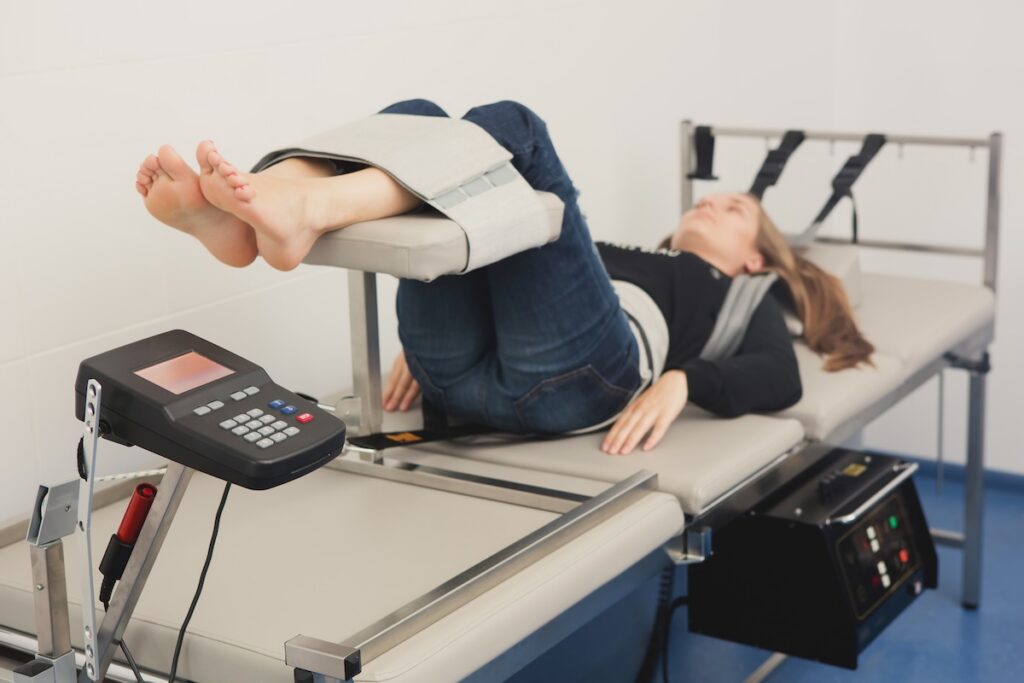

Athletic recovery is crucial for reaching your highest potential, yet many athletes often underestimate its importance. As a local chiropractor, I’ve seen firsthand how common challenges, such as poor nutrition and inadequate rest, can stand in the way of effective recovery. By recognizing and addressing these obstacles, you can significantly enhance your recovery strategies. Imagine a personalized approach that not only supports your healing but also boosts your overall performance. Let’s delve into how expert chiropractic care can elevate your recovery journey and help you perform at your best.
Understanding the Importance of Recovery in Sports
As a local chiropractor, I want to emphasize the vital role recovery plays in sports performance and overall well-being. Many people focus predominantly on their training and competition, but understanding recovery is just as crucial. Recovery isn’t merely a pause in your routine; it’s an essential component of your journey toward better health and athletic success.
When you engage in physical activity, your body experiences stress that can lead to micro-tears in your muscles. This is where recovery comes in, allowing those muscles to heal and become stronger. By prioritizing recovery, you can effectively minimize fatigue, lower the risk of injuries, and enhance your endurance and strength.
Incorporating effective recovery strategies—such as scheduled rest days, proper nutrition, adequate hydration, and quality sleep—can dramatically impact your performance. It’s during these recovery phases that your body rebuilds and adapts, preparing you for future challenges.
Remember, it’s not just about training hard; it’s about training smart and allowing your body the time it needs to heal.
As a chiropractor, I’m here to help you understand how natural healing methods can support your recovery process. Whether it’s through adjustments, soft tissue work, or guidance on optimal movement patterns, embracing recovery is truly an investment in your long-term health and athletic performance.
Common Recovery Challenges Faced by Athletes
As a local chiropractor, I want to shed light on some common recovery challenges that athletes may face, which can impede their progress in both training and competition.
One prevalent issue is muscle soreness, often referred to as delayed onset muscle soreness (DOMS). This can leave you feeling fatigued and may slow down your performance.
Additionally, many athletes struggle with insufficient rest, which can lead to overtraining and increase the risk of injuries.
Mental fatigue is another hurdle; it can diminish your motivation and focus, making it difficult to maintain your training regimen.
I understand that managing your time effectively is crucial; balancing workouts, recovery, and everyday responsibilities can be overwhelming, but it’s essential for your overall well-being.
Identifying the right recovery techniques is also vital. Techniques such as spinal adjustments, stretching, foam rolling, and massage therapy can be incredibly beneficial, but it may take time to discover what works best for you.
Furthermore, inconsistent sleep patterns can disrupt your body’s natural healing processes, prolonging your recovery time.
By recognizing these challenges and addressing them, you can optimize your recovery journey and enhance your performance.
As your chiropractor, I’m here to guide you through these obstacles and promote natural healing methods tailored to your unique needs.
The Role of Nutrition in Athletic Recovery
As a local chiropractor, I want to emphasize the vital role nutrition plays in your athletic recovery. Proper nutrition can significantly influence your body’s ability to repair itself, replenish energy, and maintain overall well-being.
After engaging in intense physical activity, your body craves nutrients—specifically protein for muscle repair and carbohydrates to restore energy stores. Incorporating sources of lean protein, like chicken or beans, along with complex carbohydrates such as quinoa or sweet potatoes, can greatly enhance your recovery process.
It’s also crucial to stay hydrated. Water is fundamental for transporting nutrients throughout your body and can help minimize muscle soreness after exercise.
Additionally, don’t overlook the importance of vitamins and minerals; foods rich in antioxidants, like berries and leafy greens, help combat inflammation and support your immune system, which is essential for recovery.
Timing is key as well. I recommend consuming a balanced meal or snack within 30 to 60 minutes after exercising to maximize the benefits of your recovery.
Techniques for Effective Muscle Recovery
As a local Chiropractor, I want to share some valuable insights about muscle recovery that can enhance your overall healing process.
Many people may not realize the importance of both active recovery techniques and proper nutrition in this journey. Engaging in light activities—like walking or gentle stretching—can significantly improve blood circulation, which is crucial for delivering nutrients and oxygen to your muscles.
Alongside these movements, focusing on the right nutrients is essential. A balanced diet rich in proteins, vitamins, and minerals supports muscle repair and reduces inflammation.
By integrating these strategies into your routine, you’ll not only feel better but also promote a more effective recovery process.
Active Recovery Methods
As a local chiropractor, I want to share the importance of active recovery methods in your journey to optimal health and muscle recovery after intense workouts. Many of my patients are surprised to learn that engaging in low-intensity activities—such as walking, cycling, or swimming—can significantly enhance muscle recovery and help reduce soreness.
These activities promote blood flow to your muscles, which is crucial for speeding up the healing process.
Incorporating practices like dynamic stretching or yoga can also provide great benefits, as they improve flexibility and ease any tightness you may feel post-exercise. Additionally, techniques such as foam rolling can effectively release muscle tension and improve circulation, further supporting your recovery.
Remember, these active recovery methods engage your muscles without putting them under undue strain, making your recovery process more effective.
I recommend setting aside 20-30 minutes for active recovery a few days each week to truly start reaping the benefits. It’s essential to listen to your body and adjust the intensity based on how you’re feeling, ensuring that you support your recovery journey safely and effectively.
As your chiropractor, I’m here to guide you through these natural healing methods and help you achieve your health goals.
Nutrition for Healing
As a local chiropractor, I want to emphasize the vital role that proper nutrition plays in your muscle recovery and overall healing journey. It’s important to understand that the right foods can significantly influence your recovery process.
To support your healing, focus on incorporating protein-rich foods into your diet, such as lean meats, fish, and legumes. These are essential for rebuilding muscle tissue after injuries or strenuous activities.
Additionally, don’t overlook the importance of carbohydrates. They’re crucial for replenishing glycogen stores, which provide the energy you need for daily activities and workouts.
Healthy fats are also beneficial; sources like avocados and nuts can enhance your recovery by supporting overall bodily functions.
Hydration can’t be stressed enough. Make sure to drink plenty of water throughout the day, and consider incorporating electrolyte-rich drinks following intense physical activity to help with recovery.
Lastly, the vitamins and minerals found in fruits and vegetables are key players in reducing inflammation and promoting healing.
By fueling your body with these essential nutrients, you’ll not only enhance your recovery but also improve your overall well-being, allowing you to return to your peak performance more quickly.
The Impact of Sleep on Performance and Recovery
As a local chiropractor, I want to emphasize the crucial role sleep plays in your overall health, athletic performance, and recovery. Many people aren’t aware that it’s during these restful hours that your body undergoes vital repair processes and solidifies the skills you’ve been working on.
Prioritizing sleep can set you up for success in ways that may surprise you. Let me break down how sleep influences your performance and well-being:
- Muscle Repair: During deep sleep, your body experiences a peak in growth hormone levels, which is essential for repairing tissues and promoting muscle growth. This is especially important for athletes or anyone engaged in physical activity.
- Mental Sharpness: Getting enough quality sleep sharpens your focus, enhances decision-making, and improves reaction times. These cognitive benefits are critical for performing at your best, whether in sports or daily activities.
- Energy Restoration: Quality sleep helps replenish your energy reserves. This is vital for sustaining the intensity of your workouts and ensuring you’re ready for competitions or challenges.
- Injury Prevention: Adequate rest lowers levels of cortisol, a stress hormone that can increase the risk of injuries from overtraining and fatigue. By getting enough sleep, you’re taking a proactive step towards injury prevention.
Incorporating good sleep habits into your routine can greatly enhance your health and performance.
If you have questions about how sleep and chiropractic care can work together for your recovery and overall wellness, please feel free to ask!
Utilizing Physical Therapy for Injury Prevention
As a local chiropractor, I want to emphasize that your body’s health extends beyond just recovery; implementing proactive strategies like chiropractic care can significantly contribute to preventing injuries.
By collaborating with a knowledgeable chiropractor, you can uncover any muscle imbalances, weaknesses, or tightness that could potentially lead to injuries down the line. We’ll create a personalized wellness program tailored to your individual needs, focusing on strengthening exercises, flexibility routines, and spinal alignment techniques that improve your overall physical performance.
Integrating regular chiropractic sessions into your routine not only helps maintain optimal movement patterns but also reduces the risk of overuse injuries. I can guide you on proper body mechanics for your specific activities, ensuring that you’re moving in ways that prevent unnecessary strain on your body.
Rather than waiting for an injury to occur, consider making chiropractic care an essential part of your training regimen. This proactive approach can keep you in top shape, enabling you to perform at your best while minimizing the risk of downtime due to injury.
Take control of your health and prioritize injury prevention today!
Incorporating Mindfulness and Mental Recovery
While physical recovery is crucial for your overall well-being, I want to emphasize the importance of incorporating mindfulness practices into your daily routine to enhance your mental recovery as well.
Mindfulness allows you to stay present in the moment, which can significantly reduce stress and anxiety—two factors that often hinder optimal performance and recovery.
Here are four effective strategies that I encourage you to consider:
- Meditation: Dedicate just ten minutes each day to focus on your breathing. This simple practice can help clear your mind, improve your concentration, and promote a sense of calm.
- Journaling: Take some time to write down your thoughts and feelings. This practice can help you process your emotions and gain valuable insights into your athletic journey, ultimately supporting your mental health.
- Visualization: Spend a few moments picturing yourself succeeding in your sport. Engage all your senses and feel the emotions associated with achieving your goals. This technique can enhance your motivation and drive.
- Nature Walks: Connecting with nature is a powerful way to recharge your mind and body. As you walk, allow yourself to fully experience the sights and sounds around you. This grounding practice can improve your focus and foster a sense of peace.
Incorporating these mindfulness strategies into your routine can greatly benefit your mental recovery and complement the physical care you receive through chiropractic treatment.
The Benefits of Active Recovery Strategies
As a local chiropractor dedicated to promoting your overall wellness, I want to share how active recovery strategies can significantly improve your athletic performance and overall health. Rather than opting for complete rest after a workout, I encourage you to engage in low-intensity activities, such as walking, cycling, or yoga.
These gentle movements keep your blood circulating and support your muscles in their recovery, helping to alleviate soreness and stiffness. This means you can bounce back more quickly and be ready for your next workout.
Incorporating active recovery into your routine not only aids physical recovery but also serves as a valuable tool for mental relaxation. It allows you to clear your mind and maintain focus on your health goals.
Furthermore, these activities can enhance your flexibility and range of motion, which are essential for reducing the risk of future injuries.
I believe that recovery should be an enjoyable process, not a tedious chore. By adding active recovery into your post-workout regimen, you can transform your recovery time into a refreshing experience.
Exploring Advanced Recovery Technologies
As your local chiropractor, I want to share some insights on how advanced recovery technologies, such as cryotherapy and compression therapy, can greatly benefit your healing process.
Many of my patients find these methods to be effective in reducing soreness and discomfort, while also improving their overall performance in daily activities or athletic endeavors.
Cryotherapy involves exposing the body to extremely cold temperatures for a short period, which can help reduce inflammation and promote faster recovery.
On the other hand, compression therapy uses pressure to enhance blood flow and reduce muscle fatigue.
Both techniques can complement the chiropractic care you receive, helping to elevate your recovery routine and support your journey toward improved health and wellness.
Let’s delve deeper into how these innovative therapies can work hand-in-hand with chiropractic adjustments to optimize your recovery.
Cryotherapy Benefits Explained
As a local chiropractor dedicated to promoting natural healing and recovery, I want to introduce you to an innovative technique that can significantly enhance your wellness journey: cryotherapy.
This treatment involves exposing your body to extremely cold temperatures, which can provide a range of benefits for those looking to improve their performance and recovery.
Here are four key benefits of cryotherapy that I often share with my patients:
1. Reduced Inflammation: The cold exposure can effectively decrease swelling and inflammation, promoting faster healing—ideal for anyone recovering from injuries or intense physical activities.
2. Pain Relief: Many patients find that cryotherapy helps numb pain, making it a valuable tool for alleviating discomfort after rigorous workouts or injuries, complementing the care I provide in my practice.
3. Increased Circulation: Following cryotherapy sessions, blood flow tends to increase, which means that more oxygen and essential nutrients are delivered to your muscles.
This can significantly expedite recovery and enhance overall healing.
4. Enhanced Mood: The release of endorphins during cryotherapy can improve your mood, which plays a crucial role in maintaining motivation during training and recovery.
Incorporating cryotherapy into your wellness routine could provide the extra support you need to achieve your health goals.
As always, I encourage you to discuss any new treatments with me so we can tailor a plan that works best for you!
Compression Therapy Techniques
As a local chiropractor dedicated to promoting natural healing and recovery, I want to introduce you to the fascinating world of compression therapy techniques.
While many of you may already be familiar with cryotherapy, compression therapy is gaining attention for its exceptional benefits in aiding recovery and enhancing overall performance.
You may be surprised to learn how these techniques can speed up your healing process. By applying controlled pressure to your limbs, compression therapy effectively improves blood circulation, reduces muscle soreness, and decreases swelling.
This can be especially beneficial for anyone dealing with sports injuries or chronic pain.
Utilizing devices like pneumatic compression boots or sleeves, you can enhance lymphatic drainage, which helps to expedite the removal of metabolic waste from your body.
Many of my patients report feeling more energized and ready to tackle their next workout after regular compression therapy sessions.
Whether you’re an elite athlete or simply someone who enjoys staying active on the weekends, incorporating compression therapy into your wellness routine can lead to faster recovery times and improved performance.
It’s important to recognize the power of this advanced recovery technology and how it can complement your chiropractic care and overall health journey.
Let’s work together to explore how compression therapy can benefit you!
Building a Personalized Recovery Plan for Optimal Performance
As a local chiropractor, I want to emphasize the importance of a personalized recovery plan to help you achieve optimal performance, whether you’re an athlete or simply looking to improve your overall well-being.
A tailored recovery strategy is crucial to addressing your specific needs, leading to faster recovery times and better results. Here’s a simple guide to help you get started:
1. Assess Your Needs: Begin by examining your activity levels, any past injuries, and your personal health goals. Understanding these factors will help inform the recovery methods that are right for you.
2. Incorporate Active Recovery: Consider engaging in low-impact activities such as swimming or cycling. These exercises not only promote blood circulation but also help alleviate muscle stiffness, making them excellent complements to your recovery routine.
3. Prioritize Nutrition: Your body needs the right fuel to recover effectively. Focus on a balanced diet that includes plenty of protein, healthy fats, and carbohydrates.
Timing your meals around your physical activities can further enhance your recovery process.
4. Utilize Recovery Tools: Explore various recovery tools like foam rollers, compression garments, or massage therapy. These can help reduce soreness and improve flexibility, making it easier for your body to bounce back.
By adopting these practices, you can create a personalized recovery plan that supports your health and performance.
As your chiropractor, I’m here to guide you through this process and ensure that you have the tools and knowledge to achieve your wellness goals naturally.
Conclusion
As a local chiropractor, I want to share how incorporating expert care into your recovery routine can significantly enhance your athletic performance. It’s not just about pushing your limits; it’s about listening to your body and nurturing it properly. By focusing on key aspects such as nutrition, quality sleep, and mental well-being, along with utilizing advanced chiropractic techniques, you can set yourself up for optimal success.
Recovery is not merely a phase; it’s a crucial component of your overall training regimen. With a personalized recovery plan tailored to your unique needs, you’ll find that your performance improves and your risk of injury decreases. Chiropractic care can help realign your body, relieve tension, and promote better movement, which are all essential for any athlete.
Prioritizing your recovery through natural healing methods can lead to remarkable transformations in your athletic journey. Embrace the power of chiropractic care, and together we can reach new heights in your performance.