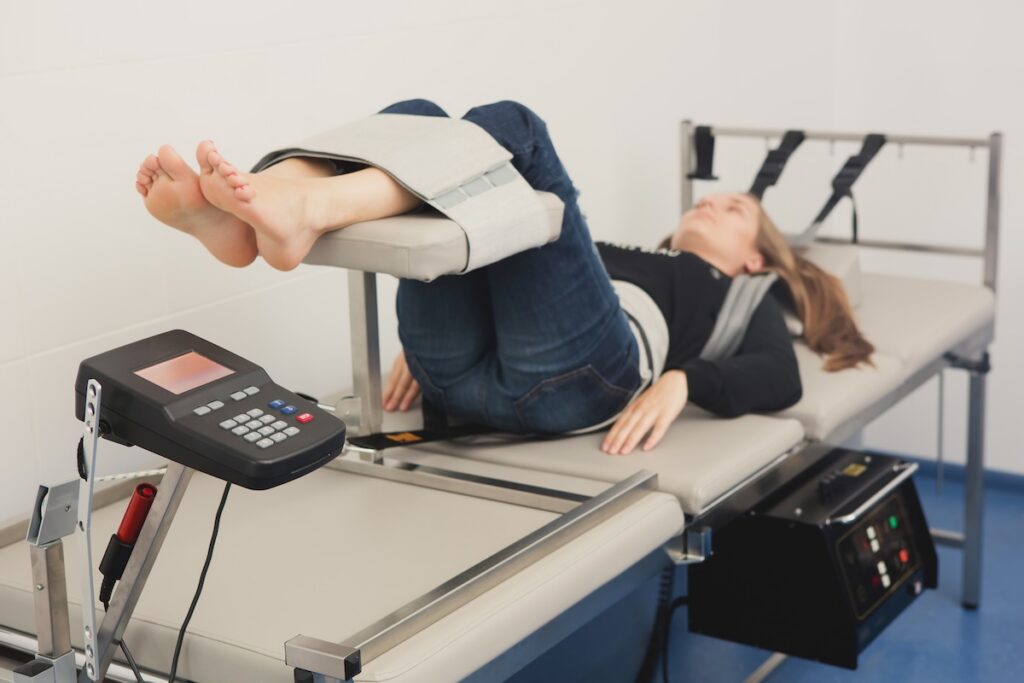

If you’re looking to increase your flexibility, it’s vital to explore various techniques that can help you reach your goals. As a chiropractor, I believe that enhancing your flexibility not only improves your range of motion but also plays a significant role in preventing injuries, especially when combined with regular chiropractic care.
One effective method to enhance flexibility is dynamic stretching. This involves moving parts of your body through their full range of motion, which can warm up your muscles and improve circulation. Incorporating this into your routine before physical activities can set the stage for better performance and less risk of injury.
Additionally, practices like yoga can be incredibly beneficial. Not only does yoga promote flexibility, but it also encourages relaxation and mindfulness, which are essential for overall health and wellness. As you practice yoga, you’ll find that your body becomes more accustomed to stretching, helping to alleviate tightness and discomfort.
To effectively incorporate these practices into your daily routine, consider setting aside time each day for stretching or yoga. Start with just a few minutes and gradually increase the duration as your body adapts. Listening to your body is crucial; always move within your comfort zone to avoid strain.
Remember, regular visits to your chiropractor can further support your flexibility goals. Chiropractic adjustments help align your spine and improve your overall body mechanics, making it easier to move and stretch effectively. By prioritizing chiropractic care, you’re taking a significant step toward achieving optimal health and natural wellness.
In summary, enhancing your flexibility is achievable through dynamic stretching, yoga, and the supportive care of a chiropractor. Simple, consistent practice and alignment can lead to a more flexible, healthier you!
Key Takeaways
Boost Your Flexibility With Effective Techniques
As a chiropractor, I understand the importance of maintaining flexibility for overall health and wellness. Here are some simple yet effective techniques to help you enhance your flexibility while also supporting your spine and overall well-being.
- Dynamic Stretching Before Workouts: Begin your exercise routine with dynamic stretching. This involves moving parts of your body through a full range of motion, which can boost blood flow and prepare your muscles for activity. Think of movements like arm circles or leg swings to warm up your body effectively.
- Static Stretching After Exercise: Once you’ve completed your workout, practice static stretching. This technique involves holding stretches for about 15-30 seconds, which helps lengthen your muscles and promotes recovery. It’s a great way to relax your body and maintain flexibility.
- Incorporate Yoga into Your Routine: Regular yoga sessions can dramatically improve your flexibility and balance. Plus, yoga provides mental benefits, reducing stress and promoting relaxation. As a chiropractor, I often recommend yoga as a complementary practice to enhance spinal health and overall wellness.
- Foam Rolling for Muscle Tension: Using a foam roller can be incredibly beneficial. This self-massage technique helps release muscle tension and improve mobility. It’s an excellent way to care for your muscles and prevent tightness, which can lead to discomfort and pain.
- Set Flexibility Goals: To stay motivated, set specific flexibility goals for yourself. Whether it’s being able to touch your toes or perform a deep squat, tracking your progress can help you stay committed. Remember, gradual improvement is key, and every little bit counts!
By incorporating these techniques into your routine, you can not only enhance your flexibility but also support your spine and promote natural healing. Remember, chiropractic care is an excellent choice for addressing any pain or discomfort you may experience along the way. Prioritizing your spinal health will contribute significantly to your overall wellness journey!
Understanding Flexibility and Its Benefits
Flexibility is more than just the ability to touch your toes; it’s a vital aspect of overall health that can benefit your body in numerous ways. When you improve your flexibility, you enhance your range of motion, making everyday activities easier and more comfortable. Many people experience less muscle tension and pain as they become more flexible, which can lead to better performance during workouts and daily tasks.
As a chiropractor, I want to emphasize the importance of flexibility in preventing injuries. When your muscles and joints can move freely, the risk of sustaining injuries during physical activities decreases significantly. Improved flexibility is also linked to better posture, which can help alleviate back pain and improve your overall appearance.
Incorporating simple flexibility exercises into your daily routine can enhance your physical wellness and promote relaxation and mental well-being. Stretching is a great way to keep your body limber, and it can easily be done at home or even at your desk. Consider taking short breaks throughout the day to stretch your arms, legs, and back. This not only helps with flexibility but also keeps your spine in alignment and reduces tension.
Remember, chiropractic care is an excellent way to achieve optimal flexibility and overall well-being. By addressing any misalignments in your spine, a chiropractor can help improve your body’s natural range of motion, reduce pain, and enhance your quality of life.
Dynamic Stretching: Warm Up for Success
Before engaging in any physical activity, it’s essential to incorporate dynamic stretching into your routine. This practice not only enhances your performance but also helps prevent injuries, allowing your body to function optimally.
Unlike static stretches that hold positions, dynamic stretches actively engage your muscles and promote blood flow, preparing your body for movement. Here are three effective dynamic stretching techniques that can set you up for success:
- Leg Swings: To perform leg swings, stand next to a wall or sturdy support for balance. Swing one leg forward and backward, gently increasing the range of motion. This exercise helps loosen your hip joints and warms up your legs, which is crucial for maintaining spinal health and overall mobility.
- Arm Circles: Extend your arms out to the sides and begin making small circles, gradually increasing the size of the circles. This exercise activates your shoulders and upper body, which are vital for maintaining good posture and spinal alignment.
- Walking Lunges: Step forward into a lunge, alternating legs as you move. Walking lunges not only stretch your hips but also strengthen your legs. Strong legs contribute to better stability and support for your spine during daily activities.
Incorporating these dynamic stretches into your pre-activity routine can significantly benefit your overall health and wellness.
The Power of Static Stretching
While dynamic stretching is great for warming up before physical activity, static stretching is equally important for enhancing flexibility and promoting recovery, especially when it comes to maintaining a healthy spine and overall wellness. This technique involves gently holding a stretch for a period of 15 to 60 seconds, which allows your muscles to lengthen and relax—an essential step in your journey towards better health.
After your workout, when your muscles are warm and more receptive, is the ideal time to incorporate static stretches. By focusing on different muscle groups, particularly those that feel tight or restricted, you can effectively improve your overall flexibility. This not only helps in reducing the risk of injury but also aids in muscle recovery, making it a vital part of your health routine.
As a chiropractor, I encourage you to remember a few key tips while stretching: breathe deeply and avoid any bouncing movements, as these can strain your muscles and potentially lead to discomfort. Always listen to your body; if a stretch feels painful, it’s important to ease up or adjust your position.
Regular practice of static stretching can lead to an increased range of motion, which is essential for optimal performance in your daily activities. Incorporating these stretches into your routine can complement chiropractic care, helping to keep your spine aligned and your body functioning at its best.
Incorporating Yoga for Improved Flexibility
Many people discover that incorporating yoga into their routine can significantly enhance their flexibility, which is essential for maintaining a healthy spine. Regular practice not only improves your range of motion but also fosters a greater awareness of your body, which can complement the benefits of chiropractic care.
Here are three powerful benefits of yoga that may inspire you to roll out your mat, all while keeping your spine health in mind:
- Mind-Body Connection: Yoga encourages you to focus on your breath and movements, helping you connect more deeply with your body. This heightened awareness allows you to identify areas of tension, particularly in your back and neck, which can be addressed with chiropractic adjustments. Increased awareness can lead to better posture and spinal alignment.
- Variety of Poses: With a wide range of poses targeting different muscle groups, yoga helps in stretching and strengthening simultaneously. This balance can enhance your agility and coordination, making daily activities easier and less straining on your spine. Incorporating poses that promote spinal health can lead to improved alignment and reduced discomfort.
- Stress Relief: The calming nature of yoga can help reduce stress and anxiety, which, in turn, can ease muscle tension in your back. When your mind is clear and relaxed, it becomes easier to settle into deeper stretches. This mental clarity not only enhances your yoga practice but can also support the effectiveness of chiropractic adjustments.
Incorporating yoga into your wellness routine is a fantastic way to complement the care you receive from your chiropractor.
Remember to listen to your body, and if you ever experience pain, consult your chiropractor for personalized advice. Together, yoga and chiropractic care can guide you toward a healthier, more flexible lifestyle.
Foam Rolling: Release Tension and Increase Mobility
Foam rolling can be a fantastic addition to your wellness routine, especially when it comes to releasing tension in your muscles and improving mobility. This technique works by applying pressure to specific muscle groups, which can help break up adhesions and enhance blood flow.
As a chiropractor, I understand how important it’s to maintain healthy muscles and joints for overall wellness.
To get started, simply position the foam roller under the muscle group you want to target—like your calves, quads, or back. Slowly roll over the area, taking the time to pause on any tight spots you encounter. This process helps release knots and can ease soreness, contributing to a more relaxed body.
You don’t need to spend hours on this; dedicating just 10-15 minutes a few times a week can yield remarkable benefits. As you roll, remember to breathe deeply. This will help your body relax into the pressure, making the experience more effective.
Consistency is essential, so try to incorporate foam rolling into your routine after workouts or even on rest days.
While foam rolling is a great tool, it should complement your chiropractic care. Regular visits to a chiropractor can address underlying issues in your spine and nervous system, ensuring that your entire body functions optimally.
Together, foam rolling and chiropractic care can enhance your mobility, reduce pain, and improve your overall quality of life.
The Importance of Proper Warm-Ups
A proper warm-up is essential for preparing your body for physical activity, especially if you want to maintain optimal health and prevent pain. Warming up increases blood flow to your muscles and enhances flexibility, which is vital for a healthy spine and overall well-being.
Skipping this important step can lead to stiffness and even injuries, which can hinder your fitness journey and affect your spinal health. Here’s why you shouldn’t overlook warming up:
- Prevents Injuries: A thorough warm-up helps your muscles and joints function more efficiently, significantly reducing the risk of strains and sprains. This is particularly important for maintaining a healthy spine, as injuries can lead to chronic pain and discomfort.
- Improves Performance: By increasing your body temperature and flexibility, you enhance your performance during workouts. This means you can push your limits safely and effectively, promoting better spinal alignment and overall function.
- Enhances Mental Focus: Warming up gives you valuable time to mentally prepare for the activity ahead. This not only boosts your motivation and concentration but also helps you connect with your body, promoting mindfulness and a healthier lifestyle.
To make the most of your warm-up, consider incorporating gentle stretches and movements that target your spine and major muscle groups. This can include neck rolls, shoulder shrugs, and torso twists.
Consistency Is Key: Creating a Flexibility Routine
To enhance your flexibility and overall well-being, developing a consistent routine is essential. As a chiropractor, I often emphasize the importance of setting specific goals tailored to your body’s needs.
Scheduling regular flexibility sessions not only keeps you accountable but also complements chiropractic care, which is designed to support your body’s natural healing processes.
Consider integrating gentle stretches and mobility exercises into your daily routine. This can help improve your range of motion and reduce tension in your muscles, making your adjustments more effective.
Tracking your progress can serve as a great motivator, allowing you to see how much your flexibility improves over time.
Remember, chiropractic care plays a vital role in your journey to optimal health. Regular adjustments can help align your spine, which in turn supports better flexibility and overall body function.
Set Specific Goals
Setting specific goals is crucial for enhancing your flexibility and overall well-being. When you clearly define what you want to achieve, it becomes easier to stay motivated and monitor your progress towards a healthier, pain-free life.
Here are three effective ways to set those goals, especially with the support of chiropractic care:
- Define Your Target: Identify which areas of your body you want to improve, like your hamstrings, hips, or back. Understanding your specific needs can lead to better results. A chiropractor can help assess your flexibility and provide tailored exercises to target those areas effectively.
- Set a Timeline: Establish a realistic timeframe for achieving your flexibility goals. This will help keep you accountable and encourage consistent practice. Regular visits to your chiropractor can assist in tracking your progress and adjusting your plan as needed.
- Celebrate Milestones: Acknowledge your progress along the way. Whether it’s being able to touch your toes or achieve a deeper stretch, celebrating these small victories enhances your motivation. Consider sharing your achievements with your chiropractor; they can help reinforce your commitment to your wellness journey.
Remember, chiropractic care not only supports your flexibility goals but also promotes natural healing and overall health.
Schedule Regular Sessions
Scheduling regular sessions for flexibility training is an important step towards achieving optimal health and wellness. By committing to a routine, you’ll not only enhance your flexibility but also support your overall spinal health. Regular movement and stretching can help relieve tension and improve your body’s function, which is essential for maintaining a healthy spine. Aim for at least three sessions per week, and consider incorporating a variety of techniques to keep your practice engaging and effective. Here’s a simple schedule to help you get started:
| Day | Activity | Duration |
|---|---|---|
| Monday | Dynamic Stretching | 30 mins |
| Wednesday | Yoga | 45 mins |
| Friday | Static Stretching | 30 mins |
| Sunday | Foam Rolling | 20 mins |
Track Your Progress
Tracking your progress is an essential aspect of your flexibility journey, especially when it comes to enhancing your overall health and wellness. Staying motivated and focused on your goals is crucial, and the following three methods can help you monitor your flexibility improvements while promoting natural healing through chiropractic care:
- Take Photos: Capture weekly images of your poses. Visual documentation of your progress can be incredibly rewarding and serves as a powerful reminder of how far you’ve come. This practice not only keeps you inspired but also encourages you to maintain your commitment to a healthier lifestyle.
- Keep a Journal: Write down your routines, how you feel, and any breakthroughs you experience. Documenting your journey provides valuable insight into your progress and allows you to reflect on the improvements you’re making. This can also help identify areas where chiropractic care may further enhance your flexibility and overall well-being.
- Set Milestones: Establish specific, achievable goals, such as touching your toes or holding a split. Celebrating each achievement, no matter how small, boosts your confidence and strengthens your commitment to your health journey.
Remember, chiropractic care can be an excellent complement to your flexibility training, helping to alleviate any discomfort and ensuring your spine is aligned for optimal movement.
By incorporating these tracking methods into your routine, you’ll not only see improvements in your flexibility but also enhance your overall health and wellness through the natural healing power of chiropractic care.
Stay dedicated to your journey, and remember that every step forward is a win for your body and mind!
Conclusion
Incorporating effective flexibility techniques into your daily routine can significantly enhance your overall well-being and spinal health. As a chiropractor, I often emphasize the importance of maintaining flexibility to support a healthy spine and prevent injuries. Embracing practices like dynamic stretching, static stretching, yoga, and foam rolling not only improves your flexibility but also contributes to a more resilient body.
It’s essential to understand that flexibility plays a crucial role in how our bodies function. When your muscles and joints are flexible, it allows for better movement and reduces the likelihood of strains and discomfort. These techniques work harmoniously with chiropractic care, which aims to align your spine and optimize your nervous system for overall health.
Remember, consistency is key. Make flexibility training a regular part of your wellness journey. Incorporate simple stretches into your daily routine, and consider adding a few minutes of yoga or foam rolling after your workouts. These practices, combined with regular chiropractic adjustments, will help you feel more agile in your daily activities and enhance your performance.
Start today by dedicating just a few minutes to these flexibility techniques, and you’ll soon notice the positive effects on your body. Your spine will thank you, and you’ll be on the path to achieving optimal health naturally!