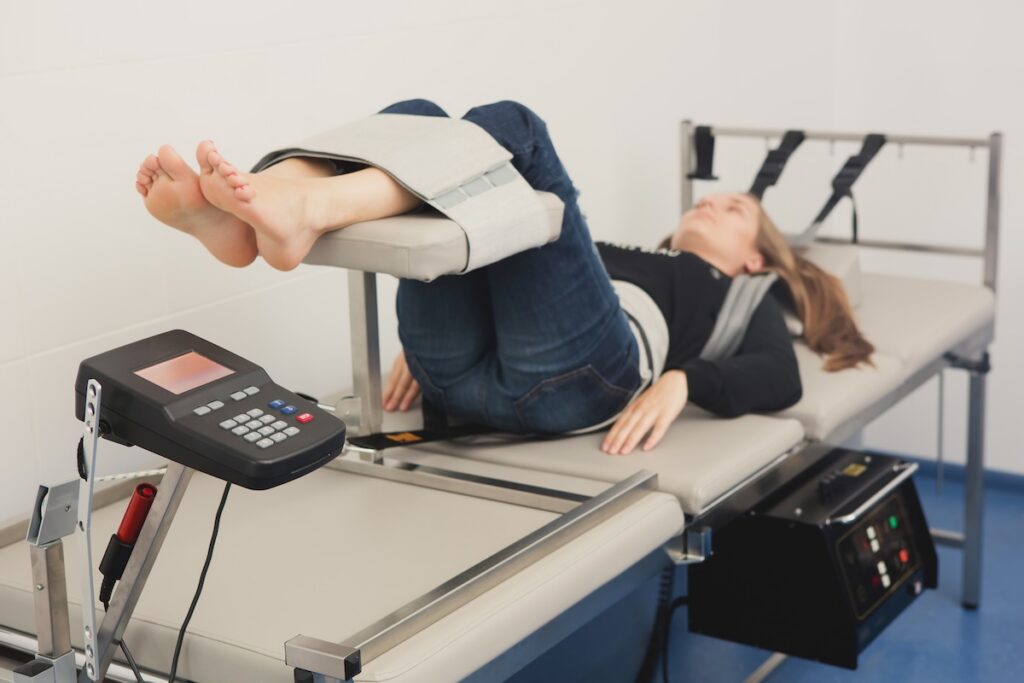

As a local chiropractor, I understand that many of you may be experiencing back pain, and I want to share that there are small adjustments you can make that can lead to significant improvements in your comfort and overall health. Simple changes, such as enhancing your posture and optimizing your workspace, are key steps in alleviating discomfort.
Incorporating regular stretching and strengthening exercises into your routine can increase your body’s resilience against pain. Additionally, staying well-hydrated is essential for recovery, as it helps maintain the health of your spinal discs and tissues.
Are you curious about the specific adjustments that can provide lasting relief? Let’s dive into the seven best strategies that can help you tackle back pain effectively and naturally. Your journey to a pain-free life starts with understanding these simple yet powerful changes!
Improve Your Posture
As your local chiropractor, I want to emphasize the significant impact that improving your posture can have on alleviating back pain. When you maintain proper alignment while sitting or standing, you help distribute your body weight evenly, which reduces strain on your spine and surrounding muscles.
It’s crucial to be aware of your posture throughout the day—whether you’re at your desk, walking, or relaxing at home. Focus on keeping your shoulders back and ensuring your head is aligned over your spine.
For those of you who spend long hours at a desk, I recommend adjusting your chair height so that your feet rest flat on the floor and your monitor is positioned at eye level. This simple adjustment can greatly minimize discomfort and prevent future issues.
When standing, try to distribute your weight evenly on both feet and engage your core muscles for better support.
Additionally, consider investing in ergonomic furniture. These supportive options are designed to promote better posture and can make a significant difference in your comfort levels.
Remember, developing consistent awareness of your posture and making small adjustments can lead to long-lasting relief from back pain. By taking these steps, you can enhance your overall well-being and lead a more active lifestyle.
If you have any questions or need personalized advice, feel free to reach out—I’m here to help you on your journey to better health through natural healing.
Incorporate Regular Stretching
As a local chiropractor dedicated to your well-being, I want to emphasize the importance of incorporating regular stretching into your daily routine. Many patients are surprised to learn how significantly stretching can alleviate back pain and enhance flexibility.
Effective stretching techniques not only help relieve tension in your muscles but also improve your overall mobility, which is crucial for maintaining a healthy spine.
By integrating stretching into your lifestyle, you can experience profound benefits, including reduced discomfort, increased range of motion, and better posture.
I encourage you to explore various stretching methods that suit your needs, allowing your body to move more freely and comfortably.
Together, we can work towards a holistic approach to your health, harnessing the power of natural healing through simple yet effective practices like stretching.
Benefits of Stretching
As a local chiropractor, I want to help you understand the significant role that stretching can play in alleviating back pain and enhancing your overall well-being. Many people overlook stretching, but it’s an essential part of maintaining a healthy spine.
By incorporating regular stretching into your daily routine, you’ll not only improve your flexibility but also reduce muscle tension, which can lead to discomfort. Stretching increases blood flow to your spine, which is crucial for delivering essential nutrients and oxygen that aid in healing.
Furthermore, it promotes better posture, relieving strain on your back and supporting your body’s natural alignment. When you engage in stretching, you’re not just addressing tight muscles; you’re also fostering relaxation and reducing stress, both of which are important for pain relief.
By committing to a consistent stretching regimen, you can expect to see improvements in your mobility and range of motion. I encourage you to embrace stretching as part of your daily routine.
This simple practice can lead to a more comfortable, pain-free back and contribute to your overall health and wellness. Remember, a well-stretched body is a happier body!
Effective Stretching Techniques
As a local chiropractor, I want to emphasize the importance of regular stretching for maintaining a healthy spine and alleviating back pain. Stretching not only improves your flexibility but also creates a solid foundation for techniques that can support your overall well-being.
I recommend starting with gentle stretches, such as the cat-cow pose, which helps mobilize your spine and relieve tension. This is a great way to wake up your back and prepare it for daily activities.
The child’s pose is another excellent option; it allows your back to relax and lengthen, promoting a sense of calm and relief.
Don’t overlook the importance of hamstring stretches. Tight hamstrings can lead to discomfort in your lower back, so it’s essential to stretch them regularly. Holding each stretch for 20-30 seconds while focusing on your breath can enhance the benefits.
I suggest aiming to stretch at least three times a week, although daily practice is even more beneficial.
Remember to listen to your body—never push into pain. By incorporating consistent, mindful stretching into your routine, you can significantly improve your back health and overall wellness, helping to keep discomfort at bay.
If you have any questions or need guidance on proper techniques, don’t hesitate to reach out for support in your journey to better health.
Strengthen Core Muscles
As a local chiropractor, I want to emphasize the importance of strengthening your core muscles to alleviate back pain and enhance your overall health. A strong core is vital, as it provides support for your spine and improves your stability.
When your core muscles are weak, it can lead to poor posture and increased strain on your back, which can result in discomfort and pain.
Here are some effective exercises you can incorporate into your routine to strengthen your core:
- Planks: Holding a plank position is an excellent way to engage your entire core. It helps improve your posture and stability.
- Bridges: By elevating your hips while lying on your back, you not only target your glutes but also strengthen your lower back.
- Bicycle Crunches: This exercise effectively works both your abdominal muscles and obliques, contributing to a well-rounded core.
- Russian Twists: Sit on the floor, lean back slightly, and twist your torso. This movement builds rotational strength and can help with activities that require twisting motions.
- Leg Raises: Lifting your legs while lying down is a great way to target the lower abdominal area, which is often neglected.
Incorporating these exercises into your daily routine can significantly build the strength needed to support your back, ultimately leading to reduced pain and enhanced well-being.
Optimize Your Workspace
As your local chiropractor, I want to emphasize the importance of optimizing your workspace to alleviate back pain. Many people may not realize how crucial their work environment is to their overall health and well-being. By choosing an ergonomic chair, adjusting your desk height, and positioning your monitor properly, you can significantly enhance your comfort and support while working.
Let’s take a closer look at these adjustments. An ergonomic chair is designed to provide the right support for your spine, helping to maintain its natural curvature.
Similarly, adjusting your desk height ensures that your arms are at an optimal angle while typing, reducing strain on your back and shoulders.
Lastly, positioning your monitor at eye level can prevent excessive neck strain, which is often a contributing factor to back pain.
By making these simple changes, you can create a healthier work environment that promotes better posture and reduces discomfort.
Ergonomic Chair Selection
As a chiropractor, I often see the effects of prolonged sitting and poor posture on my patients’ health. Choosing the right ergonomic chair can significantly enhance your comfort and productivity, especially if you find yourself at a desk for extended periods.
An optimal chair not only provides support but also encourages proper posture, which can help alleviate back pain and discomfort. Here are some essential features to consider when selecting an ergonomic chair:
- Adjustable height: This is crucial to accommodate your desk setup and your body size, ensuring your feet are flat on the ground and your knees are at a right angle.
- Lumbar support: A chair with adequate lumbar support helps maintain the natural curve of your spine, reducing strain on your lower back.
- Seat depth: The seat should be designed so that your back can rest comfortably against the backrest while allowing space between the edge of the seat and the back of your knees.
- Armrests: Properly designed armrests can help reduce tension and strain on your shoulders, promoting a more relaxed posture.
- Breathable material: A chair made of breathable fabric will help regulate your body temperature, keeping you cool and comfortable during long hours of sitting.
Investing in a quality ergonomic chair can be a vital step towards better spinal health and overall well-being.
Desk Height Adjustment
As a chiropractor, I often emphasize the importance of maintaining proper posture, especially when it comes to your workspace. Adjusting your desk height can significantly enhance your comfort and productivity while you work.
When your desk is positioned correctly, it promotes a neutral posture that reduces strain on your back and neck. For optimal alignment, your elbows should form a 90-degree angle, which allows your wrists to remain straight while typing.
If your desk is too low, you might find yourself hunching over, leading to discomfort and potential long-term issues. On the other hand, a desk that’s too high can strain your shoulders and upper body.
I encourage you to take a moment to experiment with different desk heights to discover what feels best for you. Investing in an adjustable desk or adding risers can create a more ergonomic workspace.
This simple adjustment can help alleviate back pain and contribute to your overall well-being. Remember, small changes in your environment can lead to significant improvements in your health!
Monitor Positioning Tips
As your local chiropractor, I want to emphasize the importance of proper monitor positioning to help reduce eye strain and prevent back pain while you work. Many of my patients are unaware of how their workspace setup can impact their overall health, so here are some essential tips to keep in mind:
- First and foremost, position your monitor at eye level. This helps you avoid tilting your head, which can lead to neck and back discomfort over time.
- Aim to sit about an arm’s length away from the screen. This distance is ideal for minimizing strain on your eyes and ensuring comfortable viewing.
- Adjust the angle of your screen to reduce glare and reflections. This simple adjustment can make a significant difference in your comfort level throughout the day.
- Make sure the top of the monitor is at or slightly below your eye level. This positioning encourages a neutral spine and helps to maintain proper posture.
- If you frequently reference papers while working, consider using a document holder. This will help you keep your neck in a neutral position and prevent unnecessary strain.
By paying attention to these simple adjustments in your workspace, you can support your spine health and promote a more comfortable working environment.
If you have further questions or need guidance on ergonomic setups, don’t hesitate to reach out!
Use Ergonomic Furniture
As a local chiropractor, I want to emphasize the importance of investing in ergonomic furniture to enhance your comfort and support your overall health. Many of my patients experience back pain that can often be alleviated by making simple adjustments to their workspaces.
Choosing a chair that offers proper support for your lower back is crucial. It’s essential to find a chair that encourages good posture—this means looking for one with adjustable features. Customizing the height, lumbar support, and armrests can make a significant difference in how your body feels throughout the day.
Consider incorporating a sit-stand desk into your routine. This allows you to alternate between sitting and standing, which helps relieve pressure on your spine and promotes better circulation. This simple shift can be a game-changer for your back health.
Additionally, pay attention to how you position your keyboard and mouse. Keeping them at elbow height can help prevent unnecessary strain on your wrists and shoulders, which can lead to discomfort over time.
Taking these steps with ergonomic furniture can support your body’s natural alignment and contribute to your overall well-being. If you have any questions about how to set up your workspace for optimal health, don’t hesitate to ask!
Stay Hydrated and Maintain a Healthy Diet
As a local chiropractor, I want to emphasize how crucial it’s to stay hydrated and maintain a balanced diet, especially when it comes to managing back pain.
Many people may not realize that proper hydration is vital for keeping your spinal discs well-lubricated, which can help alleviate pressure on your back. Similarly, a nutritious diet plays a key role in strengthening your muscles and supporting your overall well-being.
Here are some helpful tips to keep you on the right path:
- Hydrate effectively: Strive to drink at least eight glasses of water daily to keep your body functioning optimally.
- Choose anti-inflammatory foods: Incorporating options like berries, fatty fish, and leafy greens into your meals can help combat inflammation in the body.
- Limit processed foods: These often contribute to weight gain, which can place additional strain on your back. Opt for whole, unprocessed foods whenever possible.
- Ensure adequate calcium intake: Calcium is essential for maintaining strong bones. Make sure to include dairy products or fortified plant-based alternatives in your diet.
- Avoid skipping meals: Regular, nutritious meals are important for sustaining energy levels and managing a healthy weight, both of which can impact your back health.
Seek Professional Help
As a local chiropractor, I want to emphasize the importance of seeking professional help if you’re experiencing persistent back pain. Effective relief and recovery often start with a thorough assessment by a qualified healthcare provider like myself.
I specialize in identifying the root cause of your pain and can recommend tailored treatment options that suit your unique needs. Chiropractic care focuses on restoring proper alignment and function to your spine and musculoskeletal system.
By utilizing hands-on adjustments, I can help alleviate your pain and improve your overall mobility. I also provide therapeutic exercises and valuable advice on posture and ergonomics to help prevent future issues.
Don’t underestimate the value of professional guidance in your journey toward healing. In some cases, I may suggest imaging studies to rule out any serious conditions, ensuring you receive the comprehensive care you deserve.
Let’s work together to get you back to feeling your best!
Conclusion
As a local chiropractor, I want to share some valuable insights on how making specific adjustments to your daily habits and environment can significantly alleviate back pain and improve your overall well-being. First and foremost, paying attention to your posture is crucial. I often see patients who unknowingly adopt poor posture, which can lead to discomfort over time.
Incorporating regular stretching into your routine is another essential factor. Simple stretches can help relieve tension in your back muscles and promote flexibility. Additionally, strengthening your core muscles will provide better support for your spine, which is vital for maintaining a healthy back.
It’s also important to consider your workspace. Investing in ergonomic furniture can make a world of difference, allowing you to work comfortably without straining your back. Don’t forget the importance of staying hydrated and fueling your body with a nutritious diet, as these factors can influence your overall health and pain levels.
If you’re experiencing persistent back pain, please don’t hesitate to reach out for professional help. Chiropractic care focuses on natural healing and can provide tailored treatments to address your specific needs. Embracing these changes and seeking guidance can empower you to take control of your back health, leading to a more comfortable and fulfilling life.