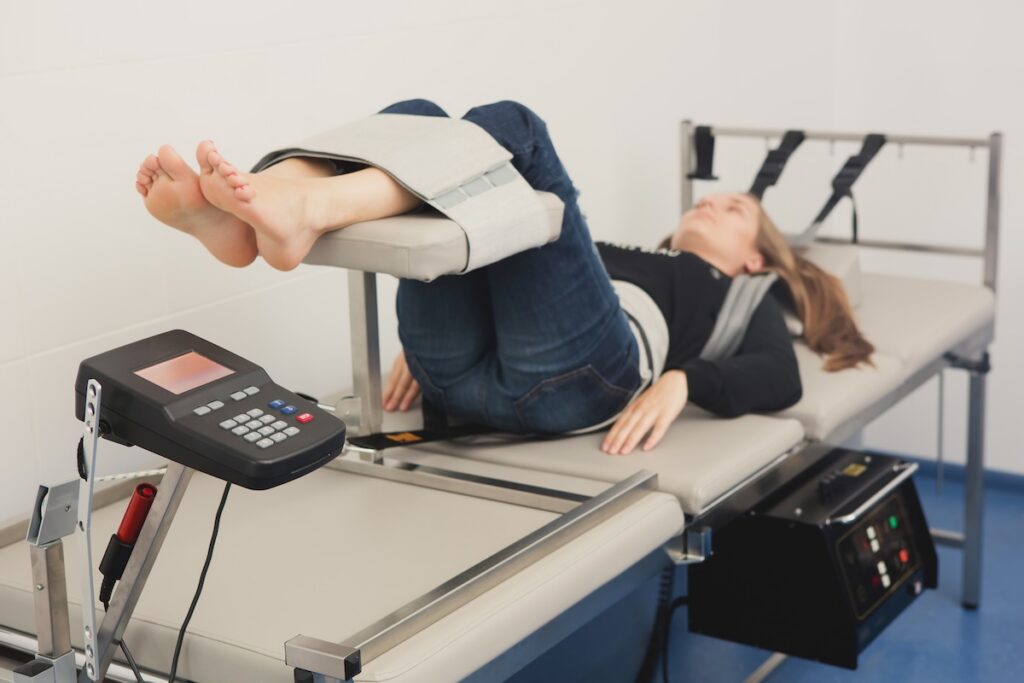

If you’re dealing with upper back pain, rest assured that you’re not alone in this struggle. Many individuals face discomfort due to poor posture, stress, or insufficient movement. Thankfully, there are natural and effective strategies to help alleviate this issue. Incorporating chiropractic care into your wellness routine can be a game changer for your overall health.
Chiropractic care focuses on spinal health and proper alignment, which is crucial for relieving upper back pain. By addressing the root causes of your discomfort, such as misalignments and tension in the muscles, chiropractic adjustments can promote healing and restore balance to your body. Before diving into specific techniques, it’s important to understand the common triggers of upper back pain.
Here are some tips to help you manage and relieve upper back pain effectively:
- Improve Your Posture: Pay attention to how you sit and stand throughout the day. Aim to keep your shoulders back and your spine straight. Consider using ergonomic furniture that supports a healthy posture.
- Incorporate Regular Movement: Long periods of sitting can lead to stiffness and pain. Take regular breaks to stretch and move around. Gentle activities like walking or yoga can keep your back muscles flexible and strong.
- Practice Deep Breathing: Stress can contribute to muscle tension in your upper back. Engage in deep breathing exercises to help reduce stress and promote relaxation.
- Utilize Chiropractic Care: Regular visits to a chiropractor can help correct spinal misalignments and relieve tension in your back. Your chiropractor can also provide personalized exercises and stretches tailored to your needs.
- Stay Hydrated and Nourished: Proper hydration and nutrition play a significant role in your overall health. A well-balanced diet can support muscle function and recovery.
By taking these steps and considering chiropractic care as a primary approach to managing your upper back pain, you can work towards a healthier, more comfortable life. Remember, your spine is the foundation of your well-being, and prioritizing its health is key to achieving optimal health.
Key Takeaways
- To support a healthy spine, prioritize maintaining good posture by keeping your back straight and shoulders relaxed, especially during long periods of sitting or standing. This simple adjustment can help prevent upper back pain and promote overall well-being.
- Incorporate gentle stretches, such as neck tilts and shoulder shrugs, into your daily routine. These movements can help ease tension in the upper back, improve flexibility, and enhance your overall spinal health.
- Consider using ergonomic furniture that supports your spine. This can make a significant difference in reducing strain during your daily activities, allowing you to move more freely and comfortably.
- Applying heat or cold compresses to the affected area can be a natural way to alleviate discomfort. Heat helps to relax tight muscles, while cold can reduce inflammation. Both can promote healing without the need for medications.
- If you find that your upper back pain persists or is accompanied by unusual symptoms like numbness or tingling, it’s important to seek a professional evaluation. A chiropractor can assess your condition and provide tailored treatment to help you achieve optimal health naturally.
Remember, chiropractic care is a holistic approach to pain relief and wellness, focusing on the root cause of your discomfort and empowering you to live a healthier life. Taking proactive steps and making small changes can lead to significant improvements in your spinal health and overall quality of life.
Understanding the Causes of Upper Back Pain
When you experience upper back pain, it’s crucial to understand its underlying causes, as they can vary widely. One of the most common culprits is poor posture. If you spend long hours hunched over a desk or looking down at your phone, your muscles can become strained and tense, leading to discomfort.
Another potential cause of upper back pain is muscle strain from lifting heavy objects or making sudden movements. You might also feel discomfort due to injuries or overuse, especially if you’re involved in repetitive activities. Additionally, stress can significantly contribute to muscle tension in your upper back, making it even more important to find ways to relax and unwind.
Chiropractic care is an excellent solution for addressing these issues naturally. By focusing on spinal alignment and muscle health, chiropractors can help relieve pain and improve your overall wellness. Regular chiropractic adjustments can correct posture, reduce muscle strain, and alleviate the effects of stress on your body.
To help manage and prevent upper back pain, consider these tips:
- Practice Good Posture: Keep your back straight and shoulders relaxed while sitting or standing. Use ergonomic furniture to support your spine.
- Take Breaks: If you sit for long periods, stand up, stretch, and walk around every hour to relieve tension.
- Strengthen Your Back: Incorporate exercises that strengthen your upper back and core muscles, which can provide better support for your spine.
- Manage Stress: Find relaxation techniques that work for you, such as deep breathing, yoga, or meditation, to help reduce muscle tension.
Effective Stretches for Relief
If you’ve been experiencing tension in your upper back, you’re not alone, and I want to help you find relief. Stretching is a fantastic way to ease discomfort, but it’s essential to remember that chiropractic care offers a comprehensive approach to achieving optimal health and wellness. While simple movements like the Neck and Shoulder Stretch and Cat-Cow Pose can provide temporary relief, regular chiropractic adjustments are key to addressing the root cause of your tension.
Let’s delve into how these stretches can aid in your comfort while emphasizing the benefits of chiropractic care:
- Neck and Shoulder Stretch: This stretch helps to release tension in the neck and shoulders, promoting better posture and alignment. By incorporating chiropractic adjustments, you can enhance the effectiveness of this stretch, ensuring your spine is aligned and your muscles are balanced.
- Cat-Cow Pose: This gentle yoga stretch improves flexibility in the spine and helps relieve stress in the back. However, when paired with chiropractic care, it can lead to greater long-term benefits as your chiropractor can identify and correct any underlying issues that may be contributing to your discomfort.
General Tips for Relief:
- Maintain good posture throughout the day; it’s crucial for spinal health.
- Take frequent breaks if you sit for long periods; standing and stretching every hour can help reduce tension.
- Stay hydrated and nourish your body with healthy foods; good nutrition supports overall wellness and muscle function.
Remember, while these stretches are helpful, they’re most effective when combined with regular chiropractic care. Chiropractic adjustments not only alleviate pain but also promote long-term wellness by ensuring your spine is aligned and your body is functioning optimally.
If you’re feeling persistent tension, consider scheduling a visit to your chiropractor to explore a personalized plan for relief and wellness. Your journey to a pain-free life is just a stretch and an adjustment away!
Neck and Shoulder Stretch
Stretching your neck and shoulders isn’t just a simple practice; it can be a powerful way to alleviate upper back pain and enhance your overall well-being.
As a chiropractor, I often emphasize the importance of incorporating these stretches into your daily routine. They can help release tension, promote relaxation, and support your spinal health.
Here are some effective neck and shoulder stretches you can easily try at home:
- Neck Tilt: Gently tilt your head toward one shoulder and hold this position for 15 seconds. This simple movement helps stretch the muscles along the side of your neck. Be sure to repeat on the other side to maintain balance.
- Shoulder Shrugs: Raise your shoulders up toward your ears, hold for a moment, then release. This exercise not only helps to relieve tension but also encourages proper alignment in your shoulders and neck. Aim to repeat this 10 times to really feel the difference.
- Cross-Body Arm Stretch: Bring one arm across your body and hold it with the opposite arm for 15 seconds. This stretch can help open up your shoulders and improve your range of motion. Don’t forget to switch sides!
- Chin Tuck: Sit up straight and gently tuck your chin in toward your chest. Hold this position for a few seconds. This stretch is excellent for elongating the muscles in the back of your neck and can help reduce strain from poor posture.
Incorporating these stretches into your day can be a simple yet effective way to find relief from discomfort.
Remember, chiropractic care is a fantastic option for achieving optimal health and wellness. If you’re experiencing persistent pain or tension, consider visiting your chiropractor to explore how spinal adjustments and personalized care can enhance your overall quality of life.
Your journey to natural healing and healthier living starts with small, consistent steps like these stretches!
Cat-Cow Pose
Incorporating the Cat-Cow Pose into your daily routine can significantly alleviate upper back pain and enhance spinal flexibility. As a chiropractor, I can’t emphasize enough how beneficial gentle movements like this can be in promoting overall health and wellness.
To perform the Cat-Cow Pose, begin by getting on your hands and knees. Ensure your wrists are directly beneath your shoulders and your knees are aligned under your hips. Inhale deeply, arching your back while lifting your head and tailbone toward the ceiling—this is known as the Cow Pose. Next, as you exhale, round your spine, tuck your chin to your chest, and draw your belly button in toward your spine to transition into the Cat Pose.
Flow between these two positions for 5 to 10 breaths. Focus on your breath and pay attention to the sensations in your back. This gentle movement not only helps to stretch and strengthen your upper back but can also encourage better posture and alignment throughout your daily activities.
Remember, regular practice of the Cat-Cow Pose can be a powerful tool in your wellness journey, but it’s also essential to complement these exercises with regular chiropractic care. Chiropractic adjustments can help ensure that your spine is properly aligned, which enhances the effectiveness of movements like this.
By choosing chiropractic as part of your pain relief and wellness strategy, you’re taking a natural and holistic approach to achieving optimal health.
As you integrate these practices into your life, keep in mind the importance of listening to your body and consulting with a chiropractor for personalized advice tailored to your specific needs. Together, we can work towards a healthier, pain-free lifestyle!
Strengthening Exercises for a Healthier Back
Strengthening your back is essential for alleviating upper back pain and enhancing overall posture. As a chiropractor, I believe that incorporating specific exercises into your daily routine can significantly improve your spinal health and stability.
Here are some effective back-strengthening exercises you can easily integrate into your life:
- Rows: Grab some resistance bands or light weights and pull them toward your body. This movement engages your back muscles, helping to strengthen the area that supports your spine.
- Supermans: Lie face down on a comfortable surface and lift both your arms and legs simultaneously. This exercise activates both your lower and upper back, promoting balance and strength.
- Plank: Holding a plank position is a fantastic way to engage your core and back muscles. This exercise not only strengthens your spine but also helps improve your overall body stability.
- Wall Angels: Stand with your back against a wall and slide your arms up and down. This exercise not only strengthens your back but also enhances shoulder mobility, which is crucial for maintaining good posture.
Incorporating these exercises into your routine can lead to noticeable improvements in pain relief and posture. Consistency is key, so make these movements a regular part of your day. Remember to listen to your body and adjust your exercises as needed to ensure comfort and safety.
Chiropractic care is an excellent complement to these exercises, providing natural healing and support for your spine. By focusing on strengthening your back and maintaining proper alignment through chiropractic adjustments, you can achieve optimal health and wellness.
Prioritize your spinal health and embrace a healthier, pain-free life!
Ergonomic Adjustments for Your Workspace
Creating an ergonomic workspace isn’t just important for comfort; it plays a crucial role in preventing upper back pain and enhancing your overall health. As a chiropractor, I want to emphasize that proper workspace setup can significantly support your spine and contribute to your well-being.
First, adjust your chair so that your feet rest flat on the floor, and your knees are at hip level. This alignment helps keep your spine in a natural position and reduces strain on your back. Your desk height is also important; ensure it allows your elbows to bend at a 90-degree angle while typing. This position minimizes stress on your upper back and shoulders.
Next, position your computer screen at eye level, about an arm’s length away. This placement helps you avoid straining your neck, which can lead to discomfort. Using a chair with good lumbar support or adding a cushion can help maintain the natural curve of your spine, further reducing tension.
Keep frequently used items within easy reach to avoid twisting or stretching, which can strain your muscles. If your chair is too high, consider using a footrest to support your feet comfortably.
Additionally, make it a habit to take regular breaks throughout your day. Stand up, stretch, and move around to keep your body engaged and to promote circulation.
Incorporating Relaxation Techniques
While ergonomic adjustments are important for addressing upper back pain, incorporating relaxation techniques can significantly enhance your overall well-being and support your chiropractic care.
By learning to relax, you not only reduce muscle tension but also improve blood flow, which can help alleviate discomfort. Here are some simple techniques that you can easily integrate into your daily routine to complement your chiropractic treatments:
- Deep Breathing: Take a moment to practice slow, deep breaths. This simple technique calms both your mind and body, helping to ease tension in your upper back.
- Progressive Muscle Relaxation: This method involves tensing and then relaxing each muscle group in your body. It’s a great way to release built-up tension and promote relaxation, supporting your spine’s health.
- Gentle Yoga or Stretching: Incorporate gentle stretches or yoga poses that focus on flexibility and relieving tightness. These movements can improve your posture and enhance the benefits of your chiropractic adjustments.
- Mindfulness Meditation: Spend a few quiet moments each day focusing on the present. This practice can reduce stress and anxiety, which often contribute to muscle tension and discomfort.
By integrating these relaxation techniques into your routine, you can enhance your chiropractic care and move toward a healthier, pain-free life.
Posture Improvement Tips
To improve your posture and relieve upper back pain, it’s essential to start with a well-set-up workspace. A properly arranged desk can make a significant difference in how you feel throughout the day. Remember to incorporate stretching techniques regularly; simple stretches can help alleviate tension and improve your flexibility.
Consider investing in an ergonomic chair, which supports your spine and encourages a healthier sitting position. These adjustments aren’t just minor tweaks—they can lead to a substantial improvement in your overall well-being.
As a chiropractor, I want to emphasize the importance of spinal health in achieving optimal wellness. Regular chiropractic care can help align your spine, reduce pain, and enhance your body’s natural ability to heal.
Correct Desk Setup
A well-organized desk setup can significantly reduce upper back pain by promoting better posture, which is essential for your overall spinal health.
When you’re seated correctly, it helps alleviate strain on your upper back and contributes to a healthier lifestyle. Here are some easy tips to optimize your workspace and support your journey towards natural wellness:
- Adjust your chair height so your feet rest flat on the floor. This simple adjustment can make a big difference in maintaining proper posture and reducing pressure on your spine.
- Position your monitor at eye level, about an arm’s length away. This helps prevent leaning forward, which can lead to discomfort and misalignment. Keeping your screen at the right height supports your neck and upper back.
- Use a supportive chair with good lumbar support. A chair that supports the natural curve of your spine can greatly enhance your comfort and help maintain the alignment crucial for your health.
- Keep frequently used items within arm’s reach. This reduces unnecessary stretching or twisting, which can contribute to pain and discomfort. A well-arranged workspace allows you to move naturally without straining your back.
Remember, maintaining proper posture and a well-organized workspace is just one aspect of achieving optimal health.
Regular chiropractic care can help ensure that your spine stays aligned and functioning properly, providing you with the pain relief and wellness you deserve. Prioritize your health by making these small changes, and consider incorporating chiropractic adjustments into your routine for lasting relief and improved well-being.
Stretching Techniques
Incorporating stretching techniques into your daily routine can significantly enhance your posture and help alleviate upper back pain. As a chiropractor, I believe that maintaining flexibility and reducing muscle tension through regular stretching is a natural and effective way to support your spine and overall health. While chiropractic care is an excellent resource for achieving optimal wellness, adding these simple stretches to your daily life can complement your care and promote lasting relief.
Here are a few effective stretches to consider:
| Stretch Name | Description |
|---|---|
| Cat-Cow Stretch | Start on all fours. As you inhale, arch your back upward (Cat), and as you exhale, lower your belly while lifting your head and tailbone (Cow). This movement helps to mobilize your spine and relieve tension. |
| Thoracic Stretch | Stand tall with your feet shoulder-width apart. Clasp your hands together and gently raise your arms overhead while leaning slightly back. This stretch opens up your chest and improves upper back mobility. |
| Child’s Pose | Kneel and sit back on your heels, then extend your arms forward on the floor while resting your forehead down. This calming stretch gently elongates your spine and relaxes your back muscles. |
Aim to practice these stretches for just a few minutes each day. Consistency is vital, and by making stretching a part of your routine, you may find improvements in your posture and a noticeable relief from upper back pain. Remember, while these stretches can be beneficial, regular chiropractic adjustments can further enhance your spine’s health and function, leading to a more balanced and pain-free life. Embrace natural healing and take proactive steps toward your wellness journey!
Ergonomic Chair Benefits
Regularly using an ergonomic chair can greatly enhance your posture and alleviate upper back pain, which is crucial for maintaining a healthy spine. These specially designed chairs support the natural curve of your spine, promoting proper alignment while you work. By choosing an ergonomic chair, you’re making a positive investment in your spinal health and overall well-being.
Here are some key benefits of using an ergonomic chair:
- Supports Upright Posture: An ergonomic chair helps you sit up straight, reducing unnecessary strain on your back. This is vital in preventing chronic pain and discomfort.
- Adjustable Features: These chairs often come with customizable options to suit your unique body shape and sitting preferences. This personalization can lead to greater comfort and fewer aches.
- Encourages Movement: Good ergonomic chairs promote movement and flexibility while sitting, which is important for maintaining healthy circulation and preventing stiffness.
- Reduces Muscle Fatigue: If you spend long hours sitting, an ergonomic chair can help minimize muscle fatigue, allowing you to work more efficiently and comfortably.
Transitioning to an ergonomic chair can significantly decrease discomfort and enhance your productivity throughout the day. Remember, proper seating is a fundamental component of your wellness routine.
In addition to investing in an ergonomic chair, consider a few simple tips to support your spinal health:
- Take Frequent Breaks: Stand up, stretch, or walk around every hour to keep your muscles active and engaged.
- Practice Good Posture: Ensure your feet are flat on the ground, your back is supported, and your screen is at eye level.
- Stay Hydrated: Drinking plenty of water can help keep your muscles hydrated and functioning well.
Positioning chiropractic care as part of your journey towards a pain-free life is essential. Regular chiropractic adjustments can complement the benefits of your ergonomic chair, helping to maintain proper alignment and reduce discomfort. Embrace these practices for a healthier, more vibrant life!
When to Seek Professional Help
While many cases of upper back pain can often be managed at home, there are specific situations where it’s crucial to seek professional help, particularly from a chiropractor. If your pain lingers for more than a few weeks or intensifies despite your self-care efforts, it’s time to schedule an appointment. A chiropractor can provide targeted adjustments and therapies that promote healing and relief.
Be mindful of additional symptoms such as numbness, tingling, or weakness in your arms or legs; these could indicate an underlying issue that deserves professional attention. If your pain follows a traumatic injury like a fall or accident, don’t wait—getting evaluated by a chiropractor can help you recover more effectively.
Other warning signs include fever, unexplained weight loss, or significant changes in bowel or bladder function. These symptoms require immediate attention, and a chiropractor can help assess your situation and guide you through the healing process.
Listening to your body is essential. If something doesn’t feel right or you have concerns about your health, it’s always better to consult a professional. Early intervention can help you avoid further complications and support your journey to optimal health.
In the meantime, here are some general tips to manage your upper back pain at home:
- Maintain Good Posture: Sit and stand tall to reduce strain on your back muscles.
- Stay Active: Engage in gentle exercises like walking or stretching to keep your body moving.
- Apply Heat or Cold: Use a warm compress or ice pack to alleviate discomfort.
- Practice Stress Relief: Try relaxation techniques like deep breathing or yoga to reduce tension.