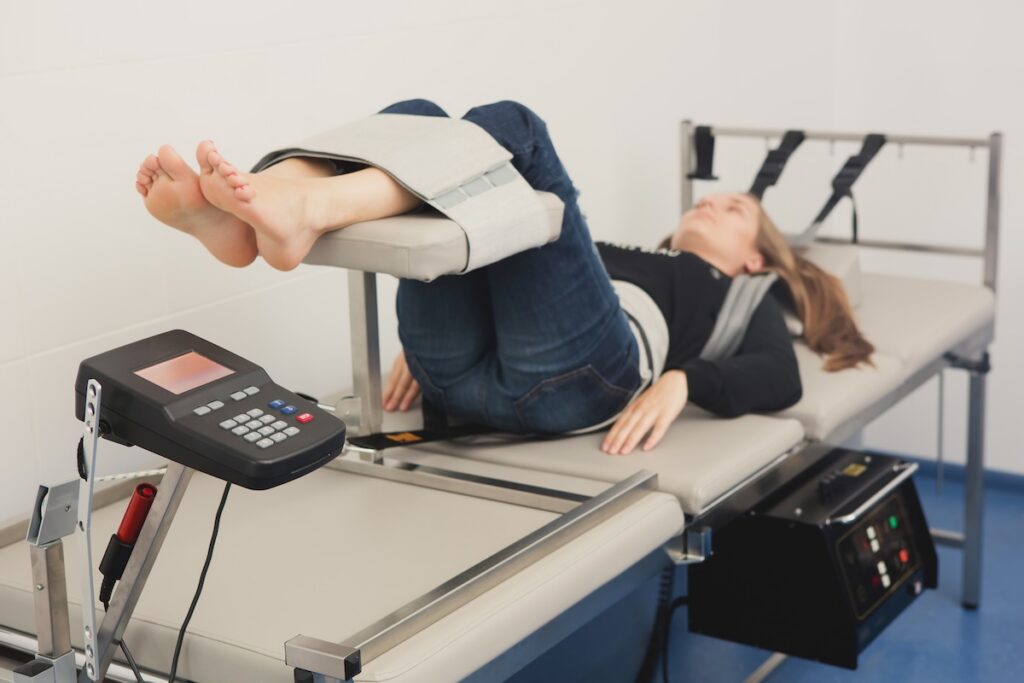

As your local chiropractor, I want to emphasize how crucial the recovery process is for athletes, just as much as their training regimen. By 2025, we expect to see exciting advancements in wearable technology and artificial intelligence that will revolutionize the way we monitor your vital signs and create personalized recovery plans. Imagine having access to real-time data that could help predict injuries before they occur.
But there’s more to recovery than just technology. By integrating various natural healing modalities—such as chiropractic adjustments, physical therapy, and nutrition—you can significantly enhance your performance and overall well-being. I encourage you to explore innovative strategies that can support your recovery journey. Together, we can stay ahead of the game in optimizing your health and athletic performance.
The Rise of Wearable Technology in Recovery
As a chiropractor, I want to share how wearable technology can significantly enhance your recovery process, especially if you’re involved in any physical activities or sports. With the advancements in this technology, you can monitor your body like never before. Wearable devices can track vital signs, sleep patterns, and activity levels, giving you real-time feedback during your recovery journey.
Imagine wearing a smart wristband that can notify you if you’re becoming dehydrated or fatigued before these issues impact your performance. This is crucial not just for athletes but for anyone looking to improve their physical health. These tools help you optimize your rest periods, ensuring that you’re not just resting but genuinely allowing your body to heal and recover.
Additionally, these wearables gather data over time, which can help you recognize patterns in your recovery. For instance, you might notice when your heart rate variability decreases or when muscle tension increases. This information allows you to adjust your routines thoughtfully, leading to more effective recovery strategies.
Personalized Recovery Plans: A Data-Driven Approach
As a local chiropractor, I want to emphasize the importance of personalized recovery plans, especially for those who may not be familiar with chiropractic care and natural healing.
Wearable technology can play a significant role in tracking your recovery metrics, providing us with valuable insights into your specific needs. By monitoring data such as heart rate variability, sleep patterns, and activity levels, we can better understand how your body responds to different treatments and activities.
This data-driven approach allows us to create tailored recovery plans that empower you to make informed decisions regarding rest, stretching, and rehabilitation exercises. It’s essential to regularly assess your progress and be open to adjusting your recovery plan as necessary.
For example, if you’re experiencing prolonged fatigue, we may recommend incorporating additional rest days into your routine. On the other hand, if you’re recovering well, we might suggest gradually increasing the intensity of your workouts to further enhance your physical capabilities.
Utilizing apps and analytics platforms, we can visualize your recovery trends, which helps us optimize your routine and ensure you’re on the right path to recovery.
Ultimately, personalized recovery plans not only help you recover faster but also minimize the risk of injury and improve your overall performance. My goal is to ensure you’re always ready to tackle your next challenge with confidence and vitality through the power of natural healing and chiropractic care.
The Role of Nutrition in Optimizing Recovery
As a local chiropractor, I want to emphasize the crucial role nutrition plays in your recovery journey. When you prioritize the right macronutrients—such as proteins, carbohydrates, and healthy fats—you’re setting the foundation for optimal healing.
Additionally, the timing of your nutrient intake can significantly influence how effectively your body recovers. Staying well-hydrated is equally important; it supports your overall health and aids in the healing process.
By understanding and implementing these nutritional strategies, you can enhance not only your recovery but also your overall performance in daily activities.
Let’s dive deeper into how these elements work together to promote natural healing and wellness in your life.
Macronutrients for Recovery
As a local Chiropractor, I want to emphasize the importance of nutrition, particularly macronutrients, in supporting your recovery and overall health. Many people may not realize that what you eat can significantly impact how your body heals after physical activity or stress.
Carbohydrates are vital for replenishing glycogen stores, which provide the energy necessary for your next workout or daily activities. I recommend focusing on complex carbohydrates found in whole grains, fruits, and vegetables, as they help fuel your recovery process.
Protein also plays a crucial role in your body’s healing. It helps repair muscle tissue and supports recovery after exertion. Including high-quality protein sources, such as lean meats, dairy, or plant-based options, in your meals can make a big difference in how your body feels and functions.
Additionally, don’t overlook the importance of healthy fats. These nutrients are essential for hormone production and provide you with sustained energy throughout the day.
By incorporating a balanced mix of carbohydrates, proteins, and healthy fats into your diet, you can’t only enhance your recovery but also improve your overall performance and well-being.
By paying attention to your nutritional intake, you can ensure that your body is well-equipped to recover effectively and maintain optimal health.
Timing of Nutrient Intake
As a local chiropractor, I want to help you understand that nutrition plays a crucial role in your overall health and recovery, especially after physical activity.
It’s not just about what you eat, but also when you consume these nutrients. After you exercise, your body enters a phase often referred to as the “anabolic window.” This is a critical time—ideally within 30 minutes post-exercise—when your muscles are primed to absorb protein and carbohydrates. This helps replenish your glycogen stores and aids in repairing any tissue damage caused during your workout.
If you delay your nutrient intake, you might hinder your recovery and miss out on performance improvements.
To support your body’s healing process, it’s also important to spread your meals throughout the day. Consuming balanced meals every three to four hours can help maintain a steady supply of essential amino acids and energy.
By being mindful of when you eat, you can enhance your recovery, boost your future performance, and ultimately support your overall wellness journey.
Hydration Strategies and Impact
As your local chiropractor, I want to emphasize the importance of hydration for your overall health and recovery, especially after engaging in intense physical activity. Proper fluid intake not only helps replenish lost electrolytes but also supports your body’s natural healing processes.
Here are some effective hydration strategies I recommend for my patients:
- Pre-Hydrate: Before you begin any workout or physical activity, make it a habit to drink water or electrolyte-rich beverages. This ensures that your body is well-hydrated right from the start, which is vital for optimal performance and recovery.
- Post-Workout Replenishment: After your training sessions, it’s crucial to consume fluids as soon as possible. Aim for at least 16-24 ounces of water for every pound you may have lost during exercise. This helps your body recover more effectively.
- Monitor Hydration Levels: A simple way to assess your hydration status is by checking the color of your urine. Ideally, it should be light yellow, which indicates good hydration. If it’s darker, that’s a sign that you need to increase your fluid intake.
- Incorporate Electrolytes: During longer workouts, consider including electrolyte drinks to help balance sodium and potassium levels that are lost through sweat. This can be particularly beneficial for managing muscle function and preventing cramps.
Mental Health and Recovery: Bridging the Gap
While physical training is crucial for athletes, it’s equally important to pay attention to your mental health, as neglecting it can hinder your recovery. You may be dedicated to improving your physical condition, but if your mental well-being isn’t prioritized, it can negatively impact your performance. Stress, anxiety, and burnout can all impede recovery, leaving you feeling exhausted and unmotivated.
As a local chiropractor, I encourage you to bridge this gap by treating your mental health with the same seriousness as your physical training. Consider incorporating mindfulness practices into your daily routine, such as meditation or breathing exercises. These techniques can help you manage stress and enhance your focus, making your recovery process more effective.
Additionally, don’t hesitate to seek support from professionals who specialize in mental wellness, such as sports psychologists or counselors. They can offer valuable strategies and tools tailored specifically for you.
Remember, a holistic approach that encompasses both physical and mental health not only aids in recovery but also enhances your overall performance. By focusing on both aspects, you can fully unlock your athletic potential and truly thrive in your sport.
As your chiropractor, I’m here to support you on this journey towards comprehensive health and wellness.
Innovative Recovery Modalities: From Cryotherapy to Float Tanks
As a local chiropractor dedicated to promoting your health and well-being, I want to introduce you to some innovative recovery modalities that can complement your chiropractic care.
Techniques like cryotherapy and float tanks are gaining popularity for their unique benefits in enhancing recovery and overall wellness.
Cryotherapy involves exposing the body to extremely cold temperatures for a short period, which can help reduce inflammation, alleviate pain, and improve recovery times.
On the other hand, float tanks provide a serene environment that allows you to relax and decompress, which can be beneficial for both your body and mind.
Together with chiropractic adjustments, these methods can significantly boost your performance, whether you’re an athlete or simply looking to improve your daily life.
I encourage you to explore the science behind these therapies and consider how they can fit into your holistic approach to health.
Let’s work together to shape a brighter, healthier future for you!
Cryotherapy Benefits Explained
As a local chiropractor dedicated to promoting natural healing and recovery, I want to share the remarkable benefits of cryotherapy, especially for those of you who may not be familiar with it.
This innovative approach involves exposing your body to extremely cold temperatures, which can significantly enhance your athletic performance and accelerate recovery. Here are some key advantages:
- Reduced Inflammation: Cryotherapy is effective in minimizing swelling and inflammation in your muscles and joints, making it a great complement to chiropractic adjustments.
- Pain Relief: The cold exposure can numb nerve endings, providing immediate relief from pain. This can be particularly beneficial if you’re dealing with chronic discomfort or soreness.
- Improved Recovery Time: By promoting faster healing, cryotherapy allows you to return to your regular activities and training more quickly, which is essential for maintaining an active lifestyle.
- Enhanced Mood: Cryotherapy can stimulate the release of endorphins, which can improve your mood and help reduce stress levels—important factors in overall wellness.
Integrating cryotherapy into your recovery routine can be a powerful tool in optimizing your health and getting you back to feeling your best.
As your chiropractor, I’m here to guide you on your journey to natural healing and peak performance.
Float Tanks Science Insights
As a local chiropractor, I want to introduce you to an incredible tool for enhancing recovery and relaxation: float tanks, also known as sensory deprivation tanks. When you enter one of these tanks, you find yourself in warm, buoyant saltwater that significantly reduces external stimuli. This serene environment helps lower stress levels and allows your body to reach a deep state of relaxation, which is essential for healing.
Research indicates that spending time in float tanks can lead to decreased muscle tension, pain relief, and improved sleep quality—all of which are vital components of your overall well-being. The sensation of weightlessness you experience in the tank promotes more efficient recovery for your body, making it an excellent addition to your wellness routine alongside chiropractic care.
Many athletes and individuals alike have reported enhanced mental clarity and focus after their float tank sessions. By incorporating float tanks into your self-care regimen, you can boost both your physical and mental recovery, setting you up for success in your daily activities and your journey towards better health.
If you’re curious about how float tanks can complement your chiropractic care, feel free to ask during your next visit!
Emerging Recovery Technologies Trends
As a local chiropractor, I want to share some exciting developments in recovery technologies that can significantly enhance your healing and wellness journey.
Many of my patients are discovering how these innovative modalities can support their recovery processes, and I believe you’ll find them beneficial too:
1. Cryotherapy: This technique involves exposing your body to extreme cold, which can help reduce inflammation and accelerate recovery.
It’s a fantastic way to alleviate pain and promote healing after physical activity.
2. Float Tanks: Imagine a tranquil space where you can escape the noise of the world.
Float tanks provide a sensory deprivation environment that encourages deep relaxation and mental clarity.
This can be particularly helpful in reducing stress, which in turn supports your overall recovery.
3. Electrical Stimulation Devices: These devices use gentle electrical currents to stimulate your muscles and enhance blood flow.
Many athletes and individuals recovering from injuries find that this technology helps them recover more quickly and effectively.
4. Infrared Saunas: These saunas utilize heat to promote detoxification and improve circulation.
Regular use can aid in muscle recovery and overall wellness, making it a perfect complement to chiropractic care.
I encourage you to consider incorporating these emerging trends into your recovery routine.
They can enhance the benefits of your chiropractic treatments and contribute to your overall health and well-being.
If you have any questions about these technologies, feel free to ask me during your next visit!
The Importance of Sleep and Circadian Rhythms
As a local chiropractor, I want to emphasize that while you may prioritize your training intensity and nutrition, the role of sleep and circadian rhythms is crucial for achieving optimal athletic performance.
Quality sleep is essential for your body to recover, repair muscle tissue, and balance hormones. When you enjoy restorative sleep, you not only enhance your cognitive function and reaction times but also improve your overall athletic efficiency.
Your body operates on circadian rhythms, which serve as an internal clock that regulates your sleep-wake cycles. These rhythms determine when you feel most alert or fatigued. By aligning your training and recovery with these natural cycles, you can significantly boost your performance.
For example, training during times when you naturally feel more energetic can lead to better results and faster recovery.
I encourage you to prioritize consistent sleep habits by going to bed and waking up at the same time each day. Creating a restful sleep environment, minimizing screen exposure before bedtime, and incorporating relaxation techniques can greatly enhance your sleep quality.
Recovery Monitoring: Tracking Progress and Adjustments
As a local chiropractor, I want to emphasize the importance of monitoring your recovery to ensure optimal health and performance. Understanding how your body responds to various treatments and activities can significantly enhance your recovery process. Here are four essential areas to keep an eye on:
- Sleep Quality: Quality sleep is crucial for recovery. I recommend using sleep tracking apps or wearables to monitor your sleep patterns. Aim for 7-9 hours of restorative sleep each night, as this is when your body heals and regenerates.
- Heart Rate Variability (HRV): Checking your heart rate variability can provide valuable insights into your body’s stress levels and recovery status. Regular assessments can help us tailor your chiropractic care to better support your healing process.
- Muscle Soreness: It’s important to pay attention to how your muscles feel after physical activity. Keeping a log of your soreness levels can guide us in adjusting your treatment plans and workout routines to prevent overexertion and promote healing.
- Nutrition: Proper nutrition plays a vital role in recovery. Tracking your nutrient intake ensures you’re providing your body with the essential components it needs to recover effectively. I can offer guidance on nutrition that complements your chiropractic care for optimal results.
By focusing on these key areas, you can enhance your recovery and overall well-being.
Integrating Active Recovery Into Training Regimens
As a local chiropractor, I want to emphasize the importance of recovery in your overall health and well-being. Incorporating active recovery into your routine is a fantastic way to enhance your performance and support your body’s natural healing processes. Active recovery includes gentle, low-intensity activities such as walking, cycling, or yoga. These activities can help improve blood circulation, reduce muscle soreness, and promote overall wellness.
By integrating active recovery sessions after your more intense workouts or on your designated rest days, you can keep your body moving without putting too much strain on it. Even dedicating just 20-30 minutes to these activities can lead to significant improvements in muscle repair, flexibility, and mental relaxation.
It’s essential to listen to your body during this process. If you’re feeling fatigued or sore, prioritizing active recovery can make a big difference in how you feel. I encourage you to explore different activities to find what you enjoy most; this will help you stay consistent and engaged in your recovery process.
By weaving active recovery into your routine, you not only enhance your athletic performance but also cultivate a sustainable approach to your health and fitness.
The Future of Recovery: Trends to Watch in 2025
As a local chiropractor, I want to share how advancements in technology are shaping the future of athlete recovery by 2025, and how these trends can benefit your overall health and wellness.
Here are four key areas to keep an eye on:
1. Wearable Technology: Imagine smart devices that monitor your body’s vital signs in real-time. These tools can give valuable insights into your health, helping you tailor your recovery strategies for more effective healing.
This technology can be especially beneficial for understanding how your body responds to chiropractic adjustments.
2. AI and Machine Learning: These technologies are becoming smarter every day, analyzing data to predict potential injuries before they occur.
They can also suggest personalized recovery protocols that align with natural healing principles, complementing the care you receive during chiropractic sessions.
3. Virtual Reality (VR): While you might think of VR as just a gaming tool, it can also provide mental recovery options.
Immersive VR experiences can help you visualize successful performance, which can reduce anxiety and improve your mental state, a vital aspect of overall recovery.
4. Regenerative Medicine: Innovations in therapies, such as stem cell treatments, are on the rise and could revolutionize the way we heal.
These therapies may accelerate healing processes and improve recovery times, working in harmony with the chiropractic adjustments you receive to enhance your body’s natural healing abilities.
Conclusion
In 2025, as your local chiropractor, I want to help you understand how to maximize your recovery through natural healing and wellness practices. Embracing innovative tools and personalized strategies can truly make a difference in your recovery journey. By incorporating wearables and AI technology, we can track your progress and tailor a plan specifically for your needs, ensuring you maintain optimal performance in your daily activities.
It’s important to recognize the vital roles of nutrition and mental health in your overall well-being. These elements, combined with chiropractic care, can enhance your recovery process and support long-term health. Additionally, integrating active recovery techniques and prioritizing restful sleep will not only improve your physical performance but also contribute to your holistic wellness.
Together, we can explore these approaches to help you feel your best and achieve your health goals naturally, without relying solely on medications or invasive procedures. Let’s work hand in hand to optimize your recovery and enhance your quality of life.