
Spinal Decompression Therapy: Who Is a Good Candidate? | Bear Chiropractic Grand Rapids
If you’ve been dealing with stubborn back or neck pain, you’ve probably heard about spinal decompression therapy. As a local chiropractor at Bear Chiropractic here in Grand Rapids, I’m often asked who is a good candidate for this non-surgical approach. My goal in this article is to explain what decompression is, who may benefit, who may need a different plan, and how we safely decide together if it’s right for you.
We’ll keep things simple, factual, and practical. You’ll learn how spinal decompression fits within a broader, conservative care plan, what to expect during a session, and what signs suggest it’s time to get evaluated.
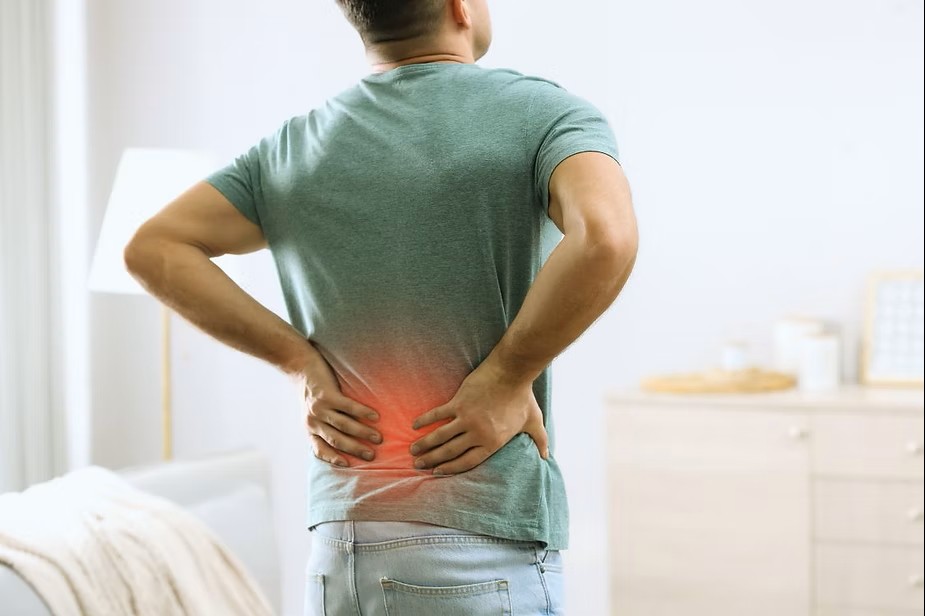
Who is a good candidate for spinal decompression therapy? In general, adults with chronic or recurrent neck or low back pain related to disc problems—like bulging or herniated discs, degenerative disc changes, or nerve irritation (sciatica/radiculopathy)—may be considered. The best candidates are screened carefully to rule out conditions where decompression isn’t appropriate and often benefit most when decompression is combined with chiropractic care, exercise, and ergonomic changes.
Table of Contents
- What Is Spinal Decompression Therapy?
- Who Is a Good Candidate in Grand Rapids?
- Who May Not Be a Candidate (or Needs Medical Clearance)
- Common Conditions It May Help
- How Spinal Decompression Works at Bear Chiropractic
- How Chiropractic Care Fits In
- Practical Tips to Support Your Spine
- When to See a Chiropractor in Grand Rapids
- Safety, Expectations, and Evidence
- Myths vs. Facts
- Final Thoughts for Our Grand Rapids Community
What Is Spinal Decompression Therapy?
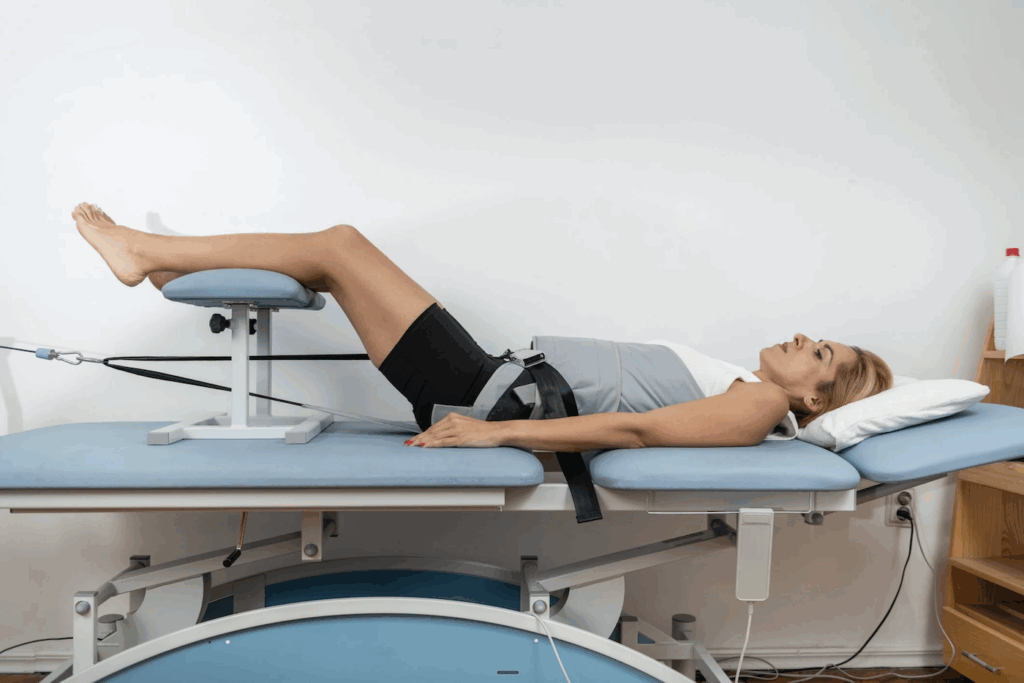
Non-surgical spinal decompression is a form of computer-guided traction tailored to your body. You lie comfortably while a specialized table gently cycles through controlled pulls and releases. The goal is to reduce pressure within spinal discs and joints, improve nutrient flow, and ease irritation in nearby nerves.
Decompression is different from quick stretching because the force and timing are carefully managed. Sessions are comfortable for most people and are typically paired with movement, posture coaching, and home strategies.
Who Is a Good Candidate in Grand Rapids?
Here in Grand Rapids, we see a lot of people who sit at a desk along 28th Street or commute on US-131, as well as weekend landscapers and winter shoveling warriors. Many come in with disc-related neck or low back pain that flares with sitting, bending, or lifting. If your story sounds similar, you might be a candidate.
You may be a good candidate if:
- Your pain is related to suspected or confirmed disc issues (bulging, herniated, or degenerative discs) in the neck or low back.
- You have radiating pain, numbness, or tingling into an arm or leg (cervical or lumbar radiculopathy) that worsens with sitting or bending.
- Your symptoms are chronic, recurrent, or haven’t fully responded to rest, basic exercise, or medication alone.
- You can comfortably lie down and follow a gradual plan that includes home care, movement, and progress checks.
Age alone isn’t a barrier. What matters most is a careful evaluation, a clear working diagnosis, and screening for safety.
Who May Not Be a Candidate (or Needs Medical Clearance)
Spinal decompression is not right for everyone. We always screen for conditions where traction-like forces could be unsafe or unhelpful. You may not be a candidate—or may need prior medical clearance—if you have:
- Recent spinal fractures
- Severe or unstable spondylolisthesis
- Spinal infections
- Known spinal cancer or metastasis
- Recent spinal surgery without surgeon clearance
- Spinal cord compression
- Progressive neurological deficits
- Signs of a medical emergency like loss of bowel or bladder control
- Significant osteoporosis
- Abdominal aortic aneurysm
- Pregnancy
If you’re unsure, we’ll talk through your history and determine a safe plan.
Common Conditions It May Help
We consider spinal decompression within a broader, conservative plan for several spine-related issues. These include:
- Bulging or herniated discs that cause pain with sitting or forward bending
- Degenerative disc changes with chronic low back or neck pain
- Sciatica and arm pain from pinched nerves (radiculopathy)
- Facet irritation linked to postural strain
It’s important to set realistic expectations. Decompression is not a cure-all, and the evidence base is mixed, especially when used alone. In our experience, people often do best when decompression is paired with spinal adjustments, targeted exercise, and ergonomic changes.
How Spinal Decompression Works at Bear Chiropractic
At Bear Chiropractic, we start with a detailed history and exam. We review your goals, movement patterns, and any imaging you already have. If decompression is appropriate, we’ll outline a plan that fits your schedule and comfort.
What to expect in a session
- Positioning and comfort setup. We’ll fit you to the table with supportive belts and pads (low back or neck focus).
- Personalized settings. We set gentle pull and relax cycles based on your tolerance and exam findings.
- Monitoring. You’ll feel a comfortable stretch that is steady, not jerky. We can pause or adjust anytime.
- Follow-up care. We’ll add simple exercises, posture tips, and hydration guidance to support recovery.
Most sessions are comfortable and relaxing. Soreness can happen, similar to starting a new exercise, and usually settles quickly. We watch progress closely so we’re not just doing more of the same—we’re doing what works for you.
How Chiropractic Care Fits In
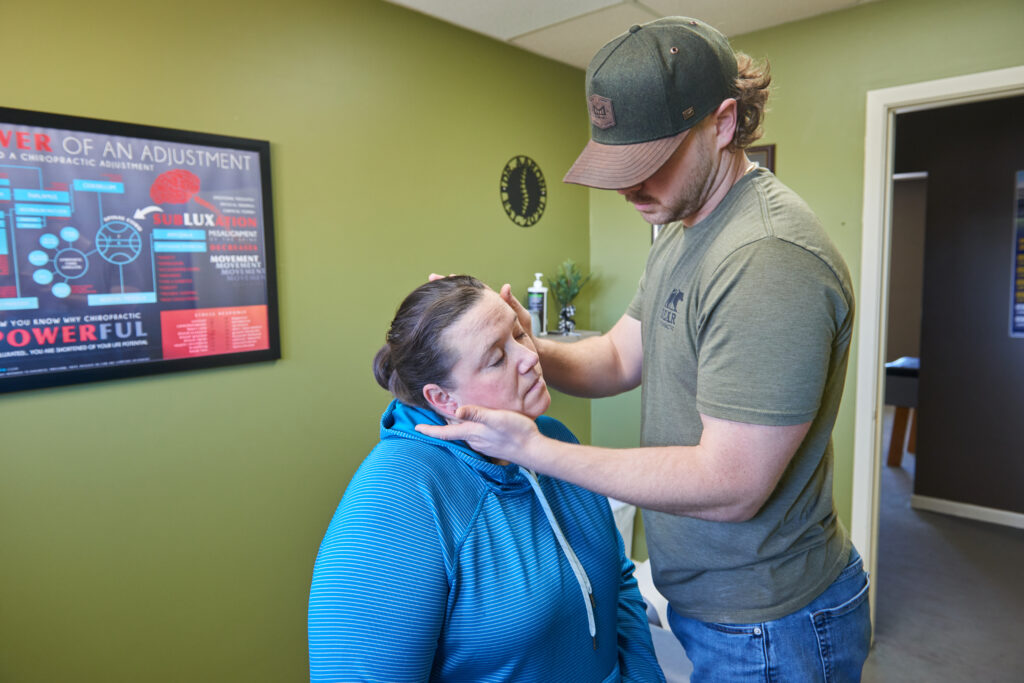
Spinal decompression is one tool. Chiropractic care centers on improving joint motion, alignment, and nervous system function through hands-on techniques, personalized exercise, and education. When appropriate, combining decompression with chiropractic adjustments and soft-tissue work may help restore movement, lower irritability in the joints and nerves, and build resilience so you can return to the activities you enjoy.
We also focus on the little things that make a big difference: how you sit, how you lift, how your workstation is set up, and how you move during the day. These habits, practiced consistently, often determine whether relief lasts.
Practical Tips to Support Your Spine
Whether or not decompression is part of your plan, these everyday habits help reduce strain on your discs and joints:
- Sit tall with your hips slightly higher than your knees and feet flat.
- Use a small lumbar support when driving on I-96 or sitting at your Grand Rapids office.
- Break up sitting every 30–45 minutes with a brisk walk or gentle back bends.
- When lifting, keep items close, hinge at your hips, and avoid twisting while carrying.
- Choose supportive shoes for downtown walks and winter traction.
- Stay hydrated—discs love water.
- Add simple core and glute work a few days per week to balance your spine.
When to See a Chiropractor in Grand Rapids
Consider an evaluation if your neck or back pain has lasted more than a couple of weeks, keeps returning, or starts to affect sleep, work, or family life. Also reach out if you notice pain that travels down an arm or leg, numbness or tingling, or stiffness that limits your mobility.
Seek urgent medical care (not chiropractic first) if you have red flags such as recent major trauma, fever with severe back pain, unexplained weight loss, progressive leg weakness, or new problems with bowel or bladder control. If you’re unsure, call us—we’ll help you decide the right next step.
Safety, Expectations, and Evidence
Safety comes first. We screen every patient to reduce risk and set realistic expectations. Some people feel relief quickly; others improve gradually. A few may not be good responders, and we’ll adjust course if progress stalls.
What does the research say? For low back pain in general, major guidelines encourage non-invasive care such as spinal manipulation, exercise, and patient education. Evidence for traction-like therapies is mixed, especially when used alone, and appears more promising when part of a comprehensive plan tailored to the individual. That’s why we combine decompression with movement, ergonomic changes, and chiropractic care when appropriate.
If you enjoy reading primary sources, you can explore the American College of Physicians recommendations for noninvasive care for low back pain and summaries on conservative approaches through reputable organizations like the National Institutes of Health and the Cochrane Library. These resources generally support active, conservative care and highlight that no single modality helps everyone. We take that to heart.
Myths vs. Facts
| Myth | Fact |
|---|---|
| “Spinal decompression magically pulls discs back in.” | Discs are living tissues. Decompression aims to lower pressure and improve fluid exchange. Some patients feel relief, especially alongside exercise and chiropractic care. |
| “If I start decompression, I’ll need it forever.” | Care plans are time-limited and goal-driven. We focus on building your long-term self-management with posture, strength, and daily habits. |
| “Decompression replaces the need for movement or rehab.” | Lasting results come from combining hands-on care with smart movement, strength, and ergonomics. |
| “It’s unsafe for older adults.” | Age isn’t the deciding factor—screening is. Many older adults do well with gentle, individualized settings when appropriate. |
Final Thoughts for Our Grand Rapids Community
At Bear Chiropractic, we’re proud to serve families and neighbors across Grand Rapids and West Michigan. If you’re wondering whether non-surgical spinal decompression therapy is a good fit, we’ll take the time to answer your questions, evaluate safely, and map out a plan that makes sense for your life and goals.
Whether your day is spent at a Heritage Hill desk, on your feet in a local shop, or shoveling after a lake-effect snowfall, we’re here to help you move with more confidence and less pain.
FAQs
Is spinal decompression the same as traction?
They’re related but not identical. Decompression uses computer-controlled pull-and-release cycles tailored to you. Traditional traction is often a steady pull. The goal with decompression is a gentler, more targeted approach.
How soon will I feel relief?
Everyone responds differently. Some feel change within a few visits; others improve more gradually. We monitor progress and adjust your plan if needed.
Can spinal decompression help sciatica?
It may help when sciatica is related to disc irritation or nerve root compression. The best results usually come when decompression is combined with chiropractic care, exercise, and ergonomic changes.
Does the treatment hurt?
Most people find it comfortable. You should feel a gentle, controlled stretch. If anything is uncomfortable, we can pause and adjust settings right away.
Is it safe for older adults?
With proper screening, many older adults tolerate gentle decompression well. Conditions like severe osteoporosis may change the plan. We individualize care.
Do I need imaging before starting?
Not always. We start with a detailed exam. If your history or exam suggests the need, we’ll coordinate appropriate imaging or medical referral.
TL;DR
- Good candidates often have chronic or recurrent neck or low back pain tied to disc issues or nerve irritation.
- Decompression is most helpful when paired with chiropractic care, exercise, and smart ergonomics.
- Some conditions require avoiding decompression or getting medical clearance first.
- Evidence is mixed for traction-like therapies; a personalized, conservative plan tends to work best.
- In Grand Rapids, Bear Chiropractic can evaluate whether decompression fits your goals and safety needs.