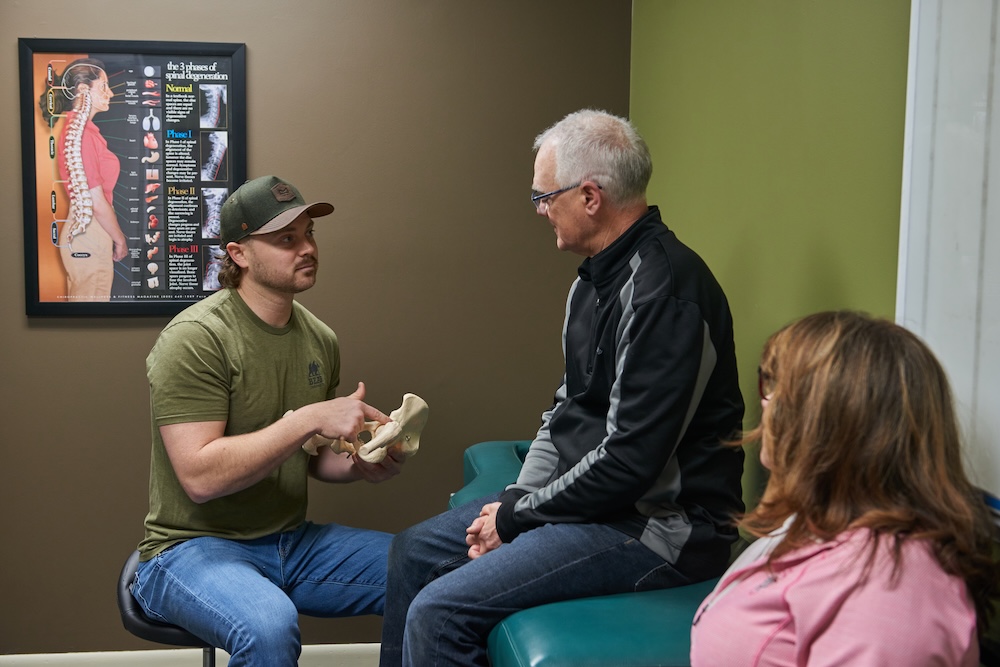

As a local chiropractor dedicated to your health, I want to share some insights on improving your joint flexibility. It’s important to recognize that flexibility is influenced by several key factors. Incorporating regular warm-ups, utilizing effective stretching techniques, and embracing mindful practices can greatly enhance your joint mobility.
However, it’s crucial to remember that flexibility is just one piece of the puzzle. Joint stability and proper nutrition are also essential components of overall joint health. By understanding and addressing these elements, you can unlock the secrets to better flexibility and a healthier lifestyle. So, how do you begin this journey towards improved joint health? Let’s explore together!
Understanding Joint Flexibility
As a chiropractor, I want to emphasize the significance of joint flexibility in maintaining your overall mobility and physical performance. When we talk about flexibility, we mean the range of motion your joints can achieve. Think about how easily you can move your arms, legs, and back without any discomfort. Good flexibility is crucial for performing everyday tasks, such as bending down to tie your shoes or reaching for items on a high shelf.
Several factors can affect your joint flexibility, including your genetics, age, and level of physical activity. Some individuals may be naturally flexible, making certain movements easier for them, while others might find it more challenging.
The good news is that regular stretching and movement can significantly improve your flexibility over time.
As a chiropractor, I encourage you to listen to your body—it’s essential to avoid pushing yourself too hard, as this can lead to injuries. By understanding your unique flexibility and actively working on it, you can enhance your physical performance and embrace a more active lifestyle.
The Importance of Warm-Up Exercises
As a local chiropractor, I want to emphasize the critical role that warm-up exercises play in maintaining your overall health and preventing injuries. Before you dive into any physical activity, taking the time to warm up your body is essential. This process not only enhances your flexibility but also prepares your muscles, joints, and cardiovascular system for the demands of exercise.
Here’s what I recommend for an effective warm-up:
- Dynamic Movements: Engage in activities such as arm circles or leg swings to get your blood flowing and your muscles ready for action. These dynamic movements are excellent for enhancing your range of motion, which is vital for preventing injuries.
- Gradual Increase in Intensity: Begin your warm-up slowly, gradually increasing the intensity of your movements. This gradual approach allows your body to adapt, significantly reducing the risk of strains or sprains that can occur during sudden exertion.
- Joint Mobilization: Pay special attention to your major joints, particularly your knees and hips. Performing gentle circles or controlled movements can help lubricate your joints, making them more flexible and resilient against stress.
By incorporating these warm-up exercises into your routine, you can support your body’s natural healing processes and set yourself up for a safer and more enjoyable physical activity experience.
Stretching Techniques for Improved Flexibility
As your local chiropractor, I want to share some valuable insights on how to enhance your flexibility through effective stretching techniques. Flexibility is crucial not just for physical performance, but also for overall joint health and well-being.
Let’s begin with dynamic stretches, which are ideal for warming up your muscles before any activity. Incorporating movements like leg swings, arm circles, and torso twists can help increase blood flow and prepare your body for more intense stretching.
Once you’ve warmed up, it’s time to transition to static stretching, where you hold each stretch for 15-30 seconds. Focus on key muscle groups—such as your hamstrings, quadriceps, and shoulders—which often require special attention.
Another technique worth considering is proprioceptive neuromuscular facilitation (PNF) stretching. This method involves contracting a muscle before you stretch it, which can significantly enhance your range of motion. For instance, while stretching your hamstrings, try contracting the muscle for a few seconds before easing into the stretch.
It’s important to establish a consistent stretching routine—ideally, aim to stretch at least three times a week. Always listen to your body; if you experience pain, it’s best to ease off.
With dedication and the right stretching techniques, you can expect to see notable improvements in your flexibility and joint health. As your chiropractor, I’m here to support you on this journey to a more flexible and pain-free lifestyle!
Incorporating Yoga and Pilates
As a local chiropractor dedicated to promoting natural healing and overall wellness, I often recommend incorporating yoga and Pilates into your routine to enhance flexibility.
These practices aren’t only excellent for improving your range of motion but also play a vital role in promoting joint health. Here are three essential aspects to consider:
1. Breath Control: In yoga, the focus on deep, intentional breathing facilitates relaxation and allows your muscles to stretch deeper, which can significantly enhance your flexibility.
This deep breathing can also help reduce tension in the body, aiding in recovery.
2. Core Strength: Pilates is centered around building core stability, which is crucial for supporting your joints and maintaining proper alignment during physical movements.
A strong core can help alleviate pressure on your spine and improve your posture, further contributing to your overall musculoskeletal health.
3. Mind-Body Connection: Both yoga and Pilates encourage a strong mind-body connection, promoting mindfulness and awareness of your body’s limits.
By tuning into how your body feels, you can prevent injury and work towards improving your flexibility in a safe, effective manner.
Incorporating these practices into your wellness routine can complement your chiropractic care and enhance your journey towards better health.
Strength Training for Joint Support
As a local chiropractor, I want to emphasize the importance of strength training in supporting your joints and enhancing flexibility. Many people may not realize that building muscle strength creates a stable foundation for your body, which can effectively protect your joints during movement.
Strengthening the muscles around your joints not only aids in injury prevention but also promotes overall joint health.
Let’s discuss some effective exercises that can help improve joint stability and keep you feeling your best. Incorporating these exercises into your routine can complement the natural healing processes we focus on in chiropractic care, helping you achieve optimal wellness.
Importance of Muscle Strength
As a local chiropractor, I want to emphasize the crucial role muscle strength plays in your overall health and well-being, particularly when it comes to joint support and flexibility.
Building stronger muscles creates a solid foundation that protects your joints from injury and strain, allowing you to move more freely and comfortably in your daily life and during exercise.
Here are three important benefits of improving your muscle strength:
- Reduced Joint Pressure: When your muscles are strong, they help to evenly distribute the load during movement. This means less pressure is placed on your joints, which can significantly decrease your risk of discomfort or injuries.
- Enhanced Balance: Strengthening your muscles contributes to better balance and stability. This is especially important as we age, as it helps reduce the risk of falls and related injuries.
- Improved Range of Motion: By focusing on muscle strength, you can also enhance your flexibility. Stronger muscles allow for a greater range of motion in your joints, making everyday activities easier and more enjoyable.
Investing time and effort into building muscle strength is essential for maintaining healthy, flexible joints.
As your chiropractor, I encourage you to consider ways to incorporate strength training into your routine for optimal joint health and overall wellness.
Exercises for Joint Stability
As a local chiropractor, I want to emphasize the importance of joint stability in maintaining your overall health and well-being. By focusing on exercises that promote joint stability, you can significantly enhance the support your joints receive.
These stability exercises aren’t only essential for protecting your joints from injury, but they also improve the quality of your movements in daily life.
Incorporating simple exercises into your routine can make a big difference. For instance, single-leg stands can help strengthen the muscles around your joints, while balance board exercises challenge your stability and coordination.
Resistance band lateral walks are another excellent way to engage the muscles that support your joints. Additionally, incorporating planks and side planks can activate your core, which plays a vital role in maintaining joint stability.
I recommend integrating these exercises into your weekly routine at least two to three times a week. By committing to this practice, you’ll not only bolster your joint stability but also enhance your overall performance in everyday activities and sports.
The Role of Proper Hydration
As your local chiropractor, I want to emphasize the importance of proper hydration for your overall joint health. Many people overlook how vital water is for maintaining joint flexibility. It plays a crucial role in lubricating your joints, allowing for smooth movement without any discomfort.
When you stay well-hydrated, you can experience improved mobility and a lower chance of stiffness.
Here are three essential benefits of maintaining proper hydration for your joints:
- Cushioning: Water serves as a natural shock absorber for your joints, providing protection against wear and tear that can occur during daily activities or exercise.
- Nutrient Transport: Staying hydrated helps transport essential nutrients to your joint tissues, which is key for their repair and overall health.
- Reduced Inflammation: Proper hydration is vital for flushing out toxins that may contribute to inflammation, helping your joints feel their best.
Remember, incorporating adequate hydration into your daily routine can greatly enhance your joint health and overall well-being.
Let’s work together to ensure you stay properly hydrated!
Nutrition and Its Impact on Flexibility
As a local chiropractor, I want to emphasize how crucial nutrition is for enhancing your flexibility and maintaining overall joint health. The foods you choose to eat aren’t just energy sources; they provide essential nutrients that allow your body to move with ease.
For instance, Omega-3 fatty acids, commonly found in fish like salmon and nuts such as walnuts, can help reduce inflammation and support optimal joint function.
Additionally, incorporating antioxidant-rich fruits and vegetables—like berries and spinach—into your diet can combat oxidative stress, promoting healthier tissues that are vital for flexibility.
It’s also important to focus on collagen-rich foods, such as chicken skin and bone broth, which are beneficial for maintaining cartilage health.
Hydration plays a significant role as well; drinking enough water is essential for lubricating your joints and maintaining the elasticity of your muscles and connective tissues.
By adopting a balanced diet that includes healthy fats, proteins, and a variety of vitamins, you’re empowering your body to perform at its best.
Remember, the right nutrition not only fuels your workouts but also plays a fundamental role in improving your flexibility and supporting joint health.
I encourage you to make informed dietary choices to enhance your overall wellness!
Consistency Is Key: Making Flexibility a Habit
As a local Chiropractor, I want to emphasize the importance of incorporating joint flexibility into your daily routine for optimal health. Flexibility training isn’t just a one-time effort; it’s a habit that can significantly enhance your overall well-being.
Here are three essential steps to help you make flexibility a regular part of your life:
- Establish a Routine: Identify specific days and times for your flexibility exercises. Treat these sessions as crucial appointments for your health that you can’t skip. Consistency is key to seeing improvements.
- Start Gradually: If you’re new to flexibility exercises, begin with just 5-10 minutes each day. This small commitment allows your body to adjust without feeling overwhelmed. As you become more comfortable, you can gradually increase the duration of your sessions.
- Monitor Your Progress: Keep track of your flexibility journey by maintaining a journal or using a mobile app. Documenting your improvements won’t only help you stay accountable but also allow you to celebrate your progress, no matter how small. This positive reinforcement is vital for maintaining motivation.
By integrating these practices into your life, you can improve your flexibility and, in turn, support your overall health and well-being.
Listening to Your Body: Avoiding Injury
As a local chiropractor, I want to emphasize the importance of listening to your body, especially when it comes to enhancing your flexibility.
It’s crucial to pay attention to any pain signals your body may be sending you. Understanding when to take a break is vital in preventing injuries.
Remember, rest and recovery play an equally important role in your overall flexibility journey, alongside the stretches and exercises you engage in.
Recognizing Pain Signals
As a local chiropractor, I want to help you understand how to recognize when your body is sending out pain signals that something may be wrong.
Being aware of these signals is crucial for maintaining your joint flexibility and preventing injuries. Here are some important indicators to watch for:
- Sharp Pain: If you experience sudden, intense pain, this is your body’s way of telling you to stop what you’re doing. It’s a clear warning that shouldn’t be ignored. Pay attention to it!
- Dull Ache: A constant dull ache could be a sign of overuse or strain in your muscles or joints. This is an indication that it might be time to ease up on your activities and reassess your routine.
- Swelling or Stiffness: If you notice that a joint feels swollen or stiff, this likely means there’s inflammation present. Ignoring these signs can lead to more serious complications down the road.
By recognizing these pain signals early, you can take proactive steps to address them and maintain your overall health.
If you’re unsure or need assistance, don’t hesitate to reach out to a healthcare professional like myself who specializes in chiropractic care and natural healing. Your body deserves attention and care!
Rest and Recovery Importance
As a local chiropractor, I want to emphasize the importance of recognizing pain signals and how they play a crucial role in caring for your joints. It’s not just about pushing through discomfort; prioritizing rest and recovery is essential for maintaining flexibility and preventing injuries.
When you ignore your body’s signals and continue to push yourself, you run the risk of worsening existing issues or even developing new ones. I encourage you to listen to your body. If you experience soreness or fatigue, it’s a clear indication that your joints need a break.
Incorporating rest days into your routine is vital, as this allows your joints the time they need to heal and rejuvenate. You might also find that gentle stretching and low-impact activities can facilitate recovery without putting unnecessary stress on your joints.
Don’t forget the importance of hydration and proper nutrition, as they’re key players in supporting joint health. Remember, consistency in your wellness journey isn’t about relentless training; it’s about finding the right balance between activity and adequate rest.
Conclusion
As a local chiropractor, I want to share some valuable insights on achieving better joint flexibility, which is crucial for your overall health and mobility. Consistency is key in this journey. I encourage you to incorporate warm-up exercises, stretching, and mindful practices like yoga and Pilates into your daily routine.
It’s also important to remember that strength training plays a vital role in maintaining joint health, along with staying properly hydrated. A balanced diet rich in omega-3 fatty acids and antioxidants can further support your joints and overall well-being.
Listening to your body is essential; always be mindful of how you feel during activities and adjust accordingly to prevent any injuries. Making flexibility a regular part of your life can significantly enhance your mobility and overall health. Start integrating these practices today, and you’ll likely notice a positive difference in how you move and feel! If you have any questions about these practices or how chiropractic care can support your journey, don’t hesitate to reach out.